
PowerFC Tuning Resources
The A'PEXi PowerFC is a popular standalone ECU for the FD3S RX-7. This section collects practical guides, software tools, and reference data to help you configure and tune your PowerFC-equipped rotary.
The A'PEXi PowerFC remains one of the most respected standalone ECU options for the FD3S RX-7, offering tuners granular control over the rotary engine's unique fuel and ignition requirements. Unlike generic engine management systems, the PowerFC was designed specifically for Mazda's 13B-REW twin-turbo setup, allowing for precise adjustments to boost pressure, fuel maps, and timing curves. This level of control is essential for rotary engines, which demand careful monitoring of air-fuel ratios and rpm ranges to avoid detonation or overheating. For owners pushing beyond stock boost levels or running modified turbo configurations, the PowerFC provides the flexibility needed to extract reliable power while maintaining drivability on both street and track.
Integrating a wideband oxygen sensor with the PowerFC through Dataloggit is a recommended step for any serious tuning session. The ability to log real-time air-fuel ratio data alongside rpm, boost pressure, and coolant temperature gives the tuner a complete picture of engine behavior under load. Rotary engines are particularly sensitive to lean mixtures, and having accurate lambda readings helps prevent the kind of high-temperature combustion events that can damage rotor housings and apex seals. With proper Dataloggit configuration, users can overlay multiple data channels and identify problem areas in the fuel map, making iterative tuning both safer and more efficient for the 13B or 20B powerplant.
Boost control is another area where the PowerFC excels for turbocharged RX-7 applications. The optional boost controller kit allows the ECU to manage wastegate duty cycle electronically, replacing mechanical boost controllers with a more responsive and programmable system. This integration means boost pressure can be mapped against throttle position, rpm, and gear selection, providing consistent power delivery across different driving conditions. For rotary engines that produce peak torque in a narrow rpm band, precise boost management helps keep the engine in its optimal power range while avoiding dangerous over-boost scenarios that could lead to detonation or mechanical stress on the turbocharger assembly.
Beyond basic tuning parameters, the PowerFC platform supports advanced features like data logging, knock monitoring, and auxiliary input mapping that are valuable for rotary engine development. The ability to adjust timing maps on a per-rotor basis, when combined with proper fuel calibration, allows tuners to balance the combustion characteristics of each rotor face for smoother operation. The FC-Edit software provides a user-friendly interface for modifying these parameters, though understanding the underlying principles of rotary engine combustion is essential for achieving good results. Whether tuning a stock-port 13B or a bridge-port 20B, the PowerFC remains a capable tool for extracting performance while maintaining the reliability that rotary enthusiasts demand.
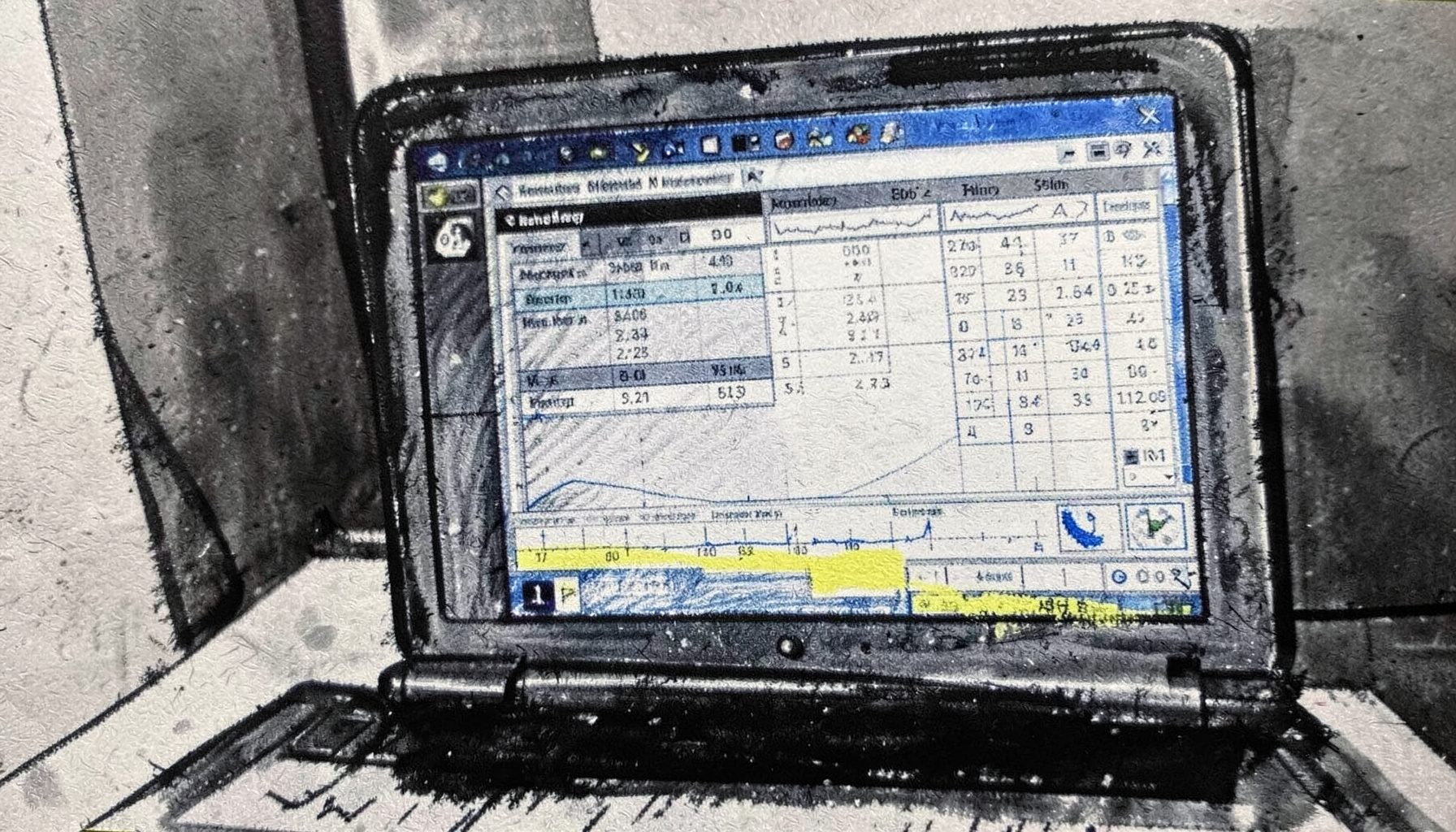
Datalogit FC-Edit Software
Installation and usage guide for the Datalogit FC-Edit software, the PC interface for reading, editing, and logging PowerFC data.

LM1 WBO2 & Dataloggit
Guide to integrating the Innovate LM1 wideband O2 sensor with Dataloggit for accurate air-fuel ratio monitoring during tuning.
Power FC Boost Controller Kit
Details on the A'PEXi Power FC Boost Controller Kit, designed to work directly with the PowerFC for electronic boost management.
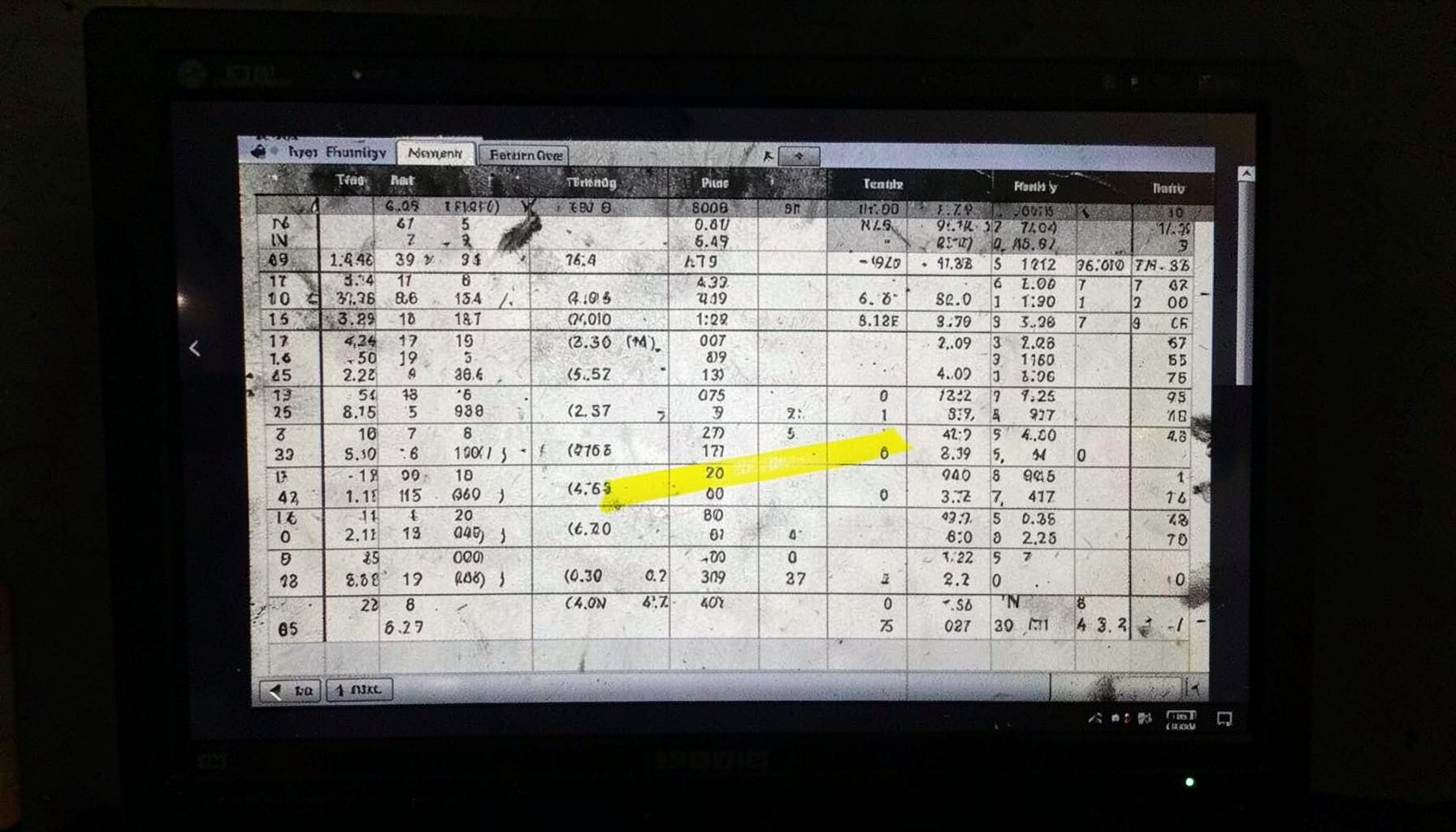
PowerFC Excel Spreadsheet Tuning
Excel-based tools for analyzing PowerFC logs, calculating fuel and ignition corrections, and organizing tune data.
PIM to PSI Conversion
The PowerFC uses PIM (Pressure In Manifold) values internally. Converting these to PSI is essential for interpreting logs and setting boost targets. This resource provides a straightforward conversion reference:
- Understand the relationship between PIM voltage and manifold pressure.
- Quick-reference conversion table for common PIM values.
- Apply conversions when reviewing datalogs or configuring the Boost Controller Kit.