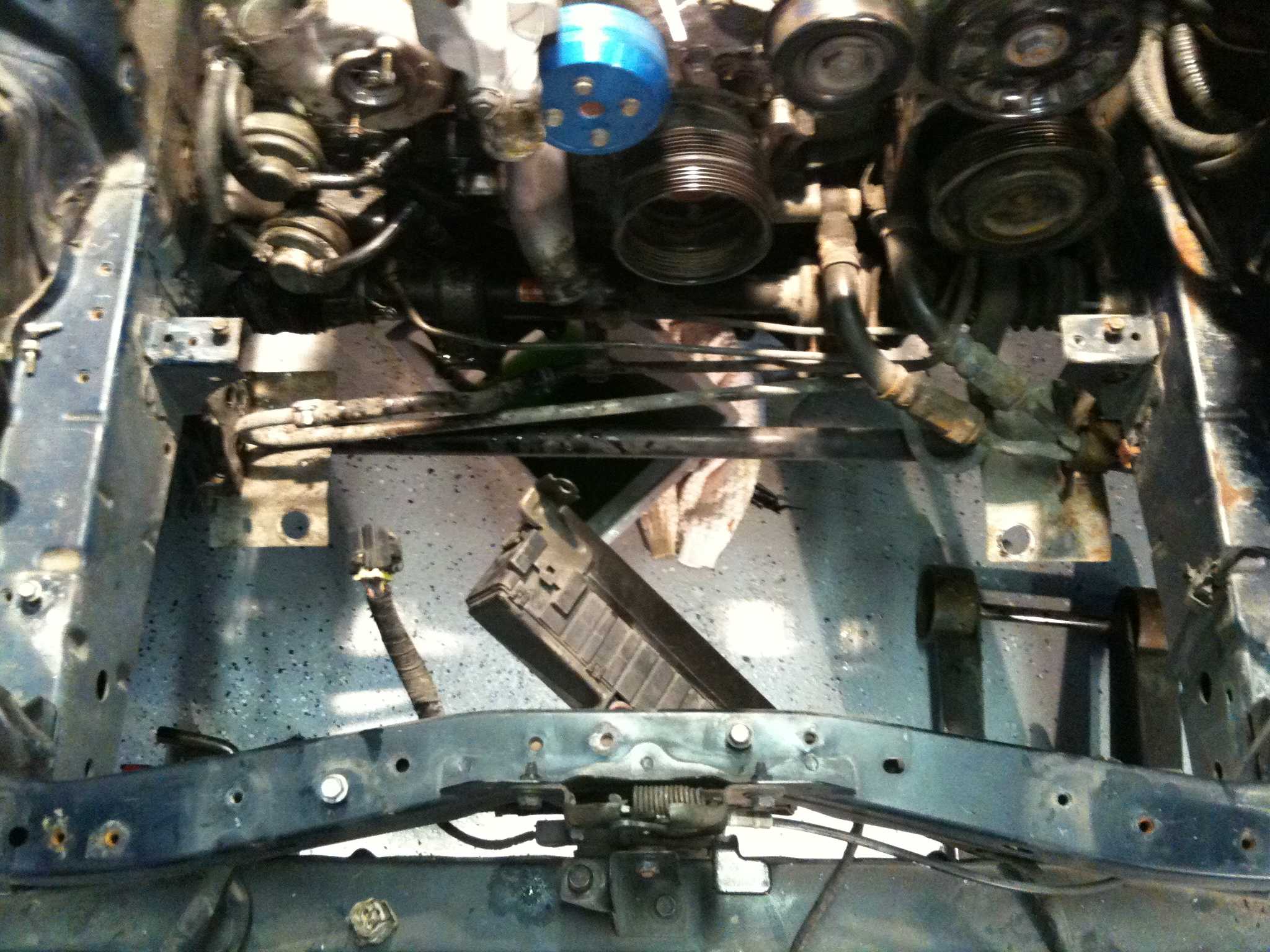
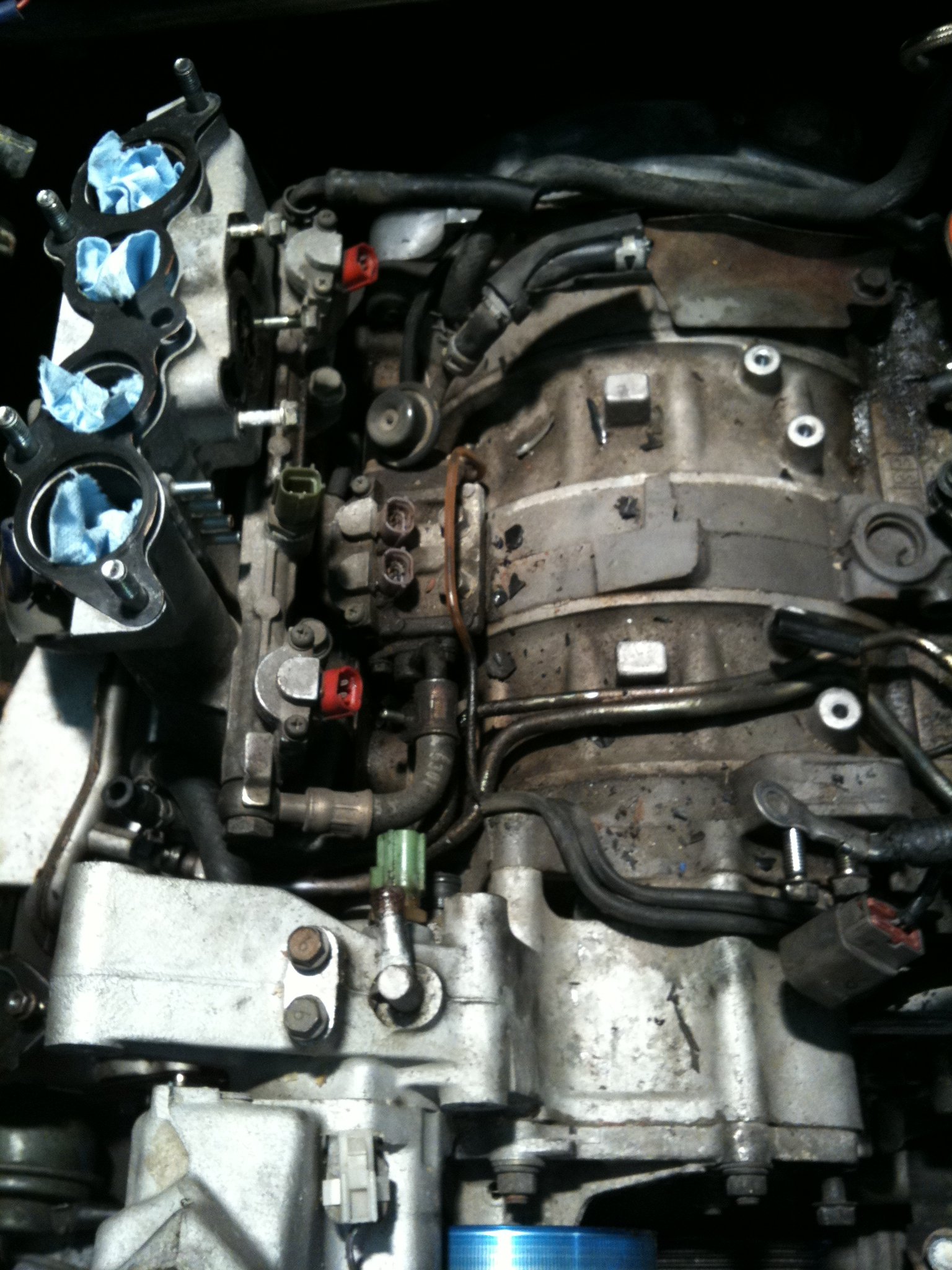
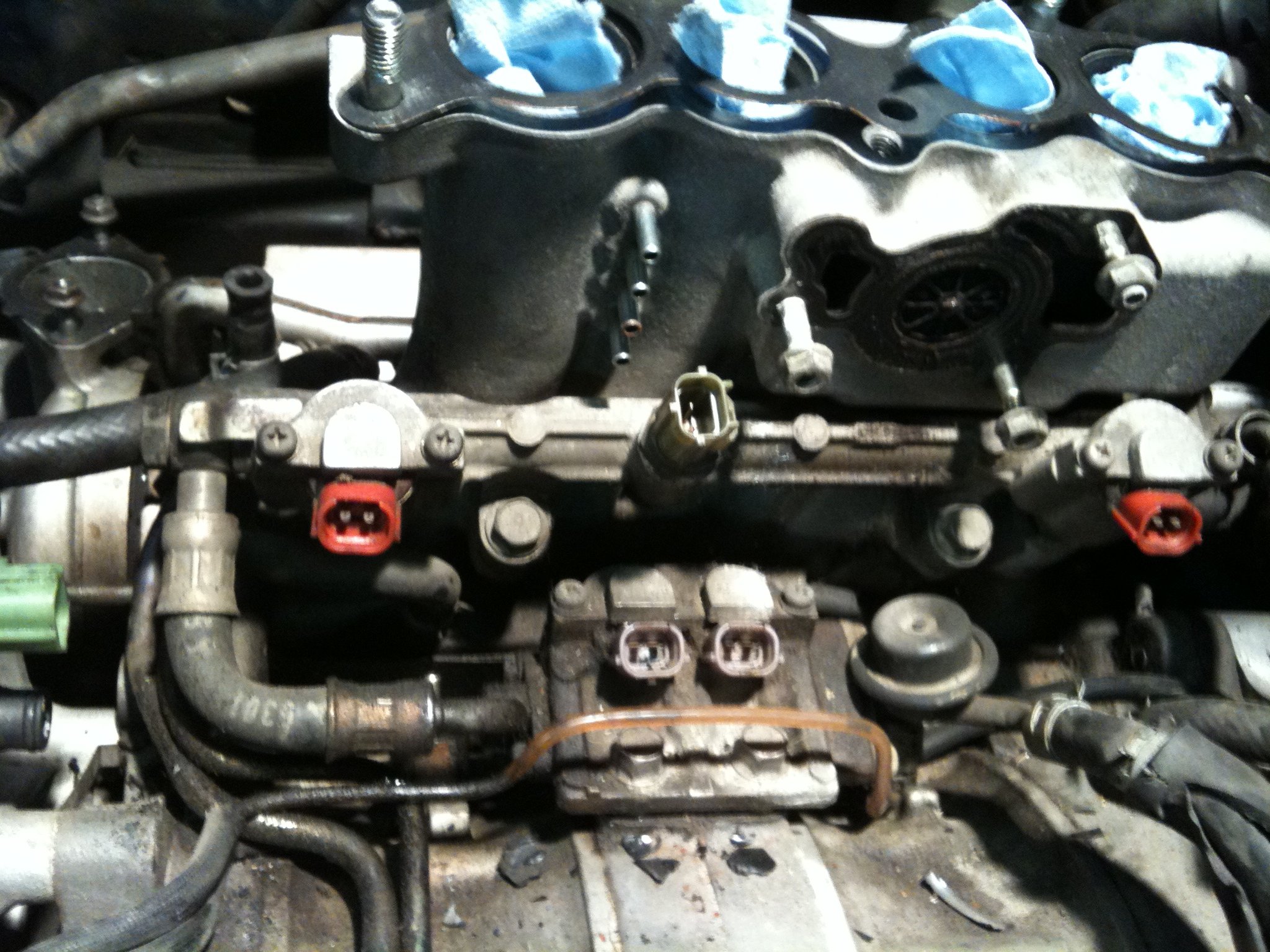
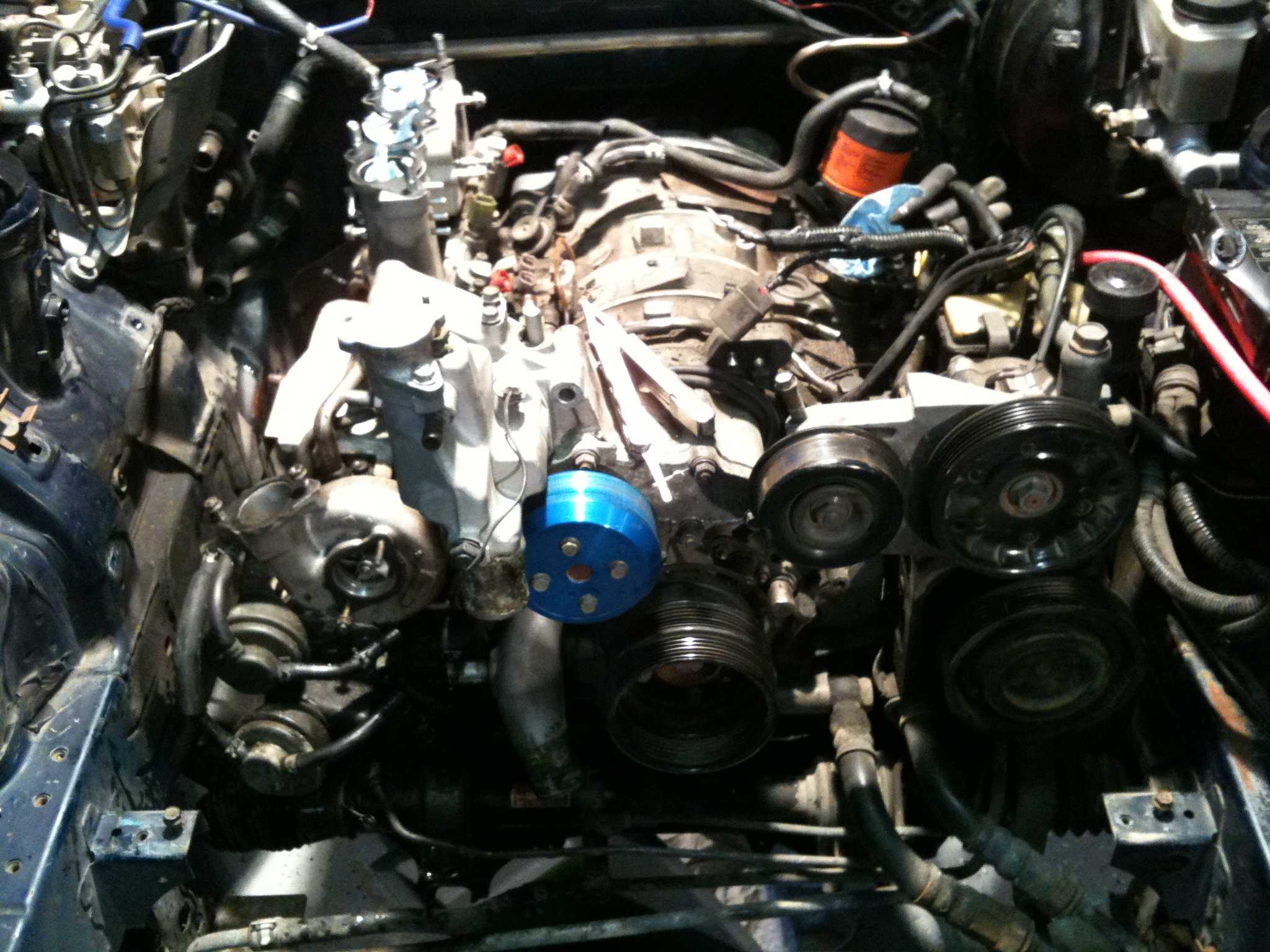
Rotary Basics
Understanding the rotary engine is key to appreciating the RX-7. This section covers the core Wankel-based powerplants — from the widely used 13B 2-rotor to the rare 20B 3-rotor — along with build imagery and wideband tuning fundamentals.
The rotary engine, designed by Felix Wankel, operates on a fundamentally different principle than conventional piston engines. Instead of reciprocating pistons, a triangular rotor orbits within a specially shaped housing, creating three separate combustion chambers per rotor. This design allows the 13B and 20B powerplants to produce impressive power from a compact, lightweight package. The rotor's smooth spinning motion eliminates the heavy reciprocating parts found in piston engines, enabling higher RPM ranges and a distinctive power delivery. For RX-7 enthusiasts, understanding this core geometry is essential to appreciating how the engine breathes, ignites fuel, and generates its signature high-revving character.
Tuning a rotary engine requires attention to several unique parameters that differ from piston-engine tuning. The fuel and ignition maps must account for the rotor's extended dwell time at top dead center, which affects combustion chamber temperatures and flame propagation. Wideband oxygen sensors become critical tools for monitoring air-fuel ratios across the RPM range, particularly under boost. The sequential twin-turbo system found on later models adds complexity, with proper control of wastegate solenoids and pressure relationships essential for smooth power delivery. Ignition timing must be carefully managed to avoid detonation, which can quickly damage the apex seals that form the rotor's critical sealing points.
Cooling and lubrication present distinct challenges in rotary engines due to the rotor housing design and the combustion chamber's elongated shape. The coolant system must manage hot spots around the spark plug area and trailing side of the rotor housing. Oil injection systems meter small amounts of oil directly into the combustion chamber to lubricate the apex seals, a feature that requires careful maintenance and monitoring. Many enthusiasts upgrade to aftermarket radiators, oil coolers, and thermostatic control systems to manage the heat generated during sustained high-RPM operation. Proper warm-up procedures and coolant system maintenance are widely regarded as essential for long engine life.
The 13B engine platform has seen extensive development across multiple generations of the RX-7, with variations in intake porting, turbocharging strategy, and electronic management. Naturally aspirated versions emphasize responsive throttle feel and high-RPM breathing, while turbocharged variants focus on managing boost pressure and charge air temperatures. The peripheral-port and side-port configurations alter the power band characteristics significantly, influencing where peak torque and horsepower occur. Aftermarket engine management systems like the PowerFC allow tuners to remap fuel and ignition curves precisely. Understanding these variations helps owners identify which engine configuration best suits their driving goals, whether for street cruising or track-oriented performance.