
The Complete Guide To 13B-REW Turbo Rotary Engine Specifications
The 13B-REW is the defining powerplant of the third-generation Mazda RX-7 FD3S. Its compact 1,308cc twin-rotor layout, aluminium construction and sequential twin-turbo system delivered strong performance from a remarkably small engine package. Factory output changed across production series, so specifications should always be read alongside the vehicle’s year, market and ECU calibration.
For Australian enthusiasts, the engine is commonly encountered in Japanese imports, locally delivered Series 6 cars and modified track vehicles. Import history can affect wiring, emissions equipment, dashboard readings and identification details, making the RX-7 VIN guide useful when verifying an FD’s original specification.
A standard 13B-REW rewards careful maintenance rather than casual neglect. Cooling capacity, turbocharger condition, oil metering, ignition strength and compression health all influence whether the engine remains dependable. Factory figures provide a baseline, but the condition of the individual engine matters more than a badge or dyno claim.
Core Engine Architecture
The 13B-REW uses two 654cc rotary chambers for a nominal total displacement of 1,308cc. Instead of pistons and connecting rods, each triangular rotor turns within an epitrochoidal housing. This produces a smooth, high-revving power delivery with few reciprocating parts, although combustion sealing and heat management remain critical.
Factory compression ratio is generally listed at 9.0:1 for the FD3S engine. The rotor housings, side housings, apex seals and corner seals form the main combustion sealing system. Apex seal condition is particularly important because wear can reduce cranking compression, create difficult starting and allow power to fall away under load.
The engine is compact and relatively light, but its specific output is high for its capacity. That makes oil quality, correct premix or oil-injection strategy, and stable coolant temperature central to long-term reliability. A rotary should not be assessed by piston-engine assumptions about displacement, idle behaviour or compression testing.
Factory Power And Turbocharger Specifications
Early Japanese-market FD models were rated at approximately 255 PS, with later revisions commonly quoted at 265 PS and final versions at 280 PS. Torque figures also rose across the production run, from roughly 294 Nm to around 314 Nm. These are factory Japanese ratings; exported and Australian-market cars may show different figures because of equipment, testing standards and calibration.
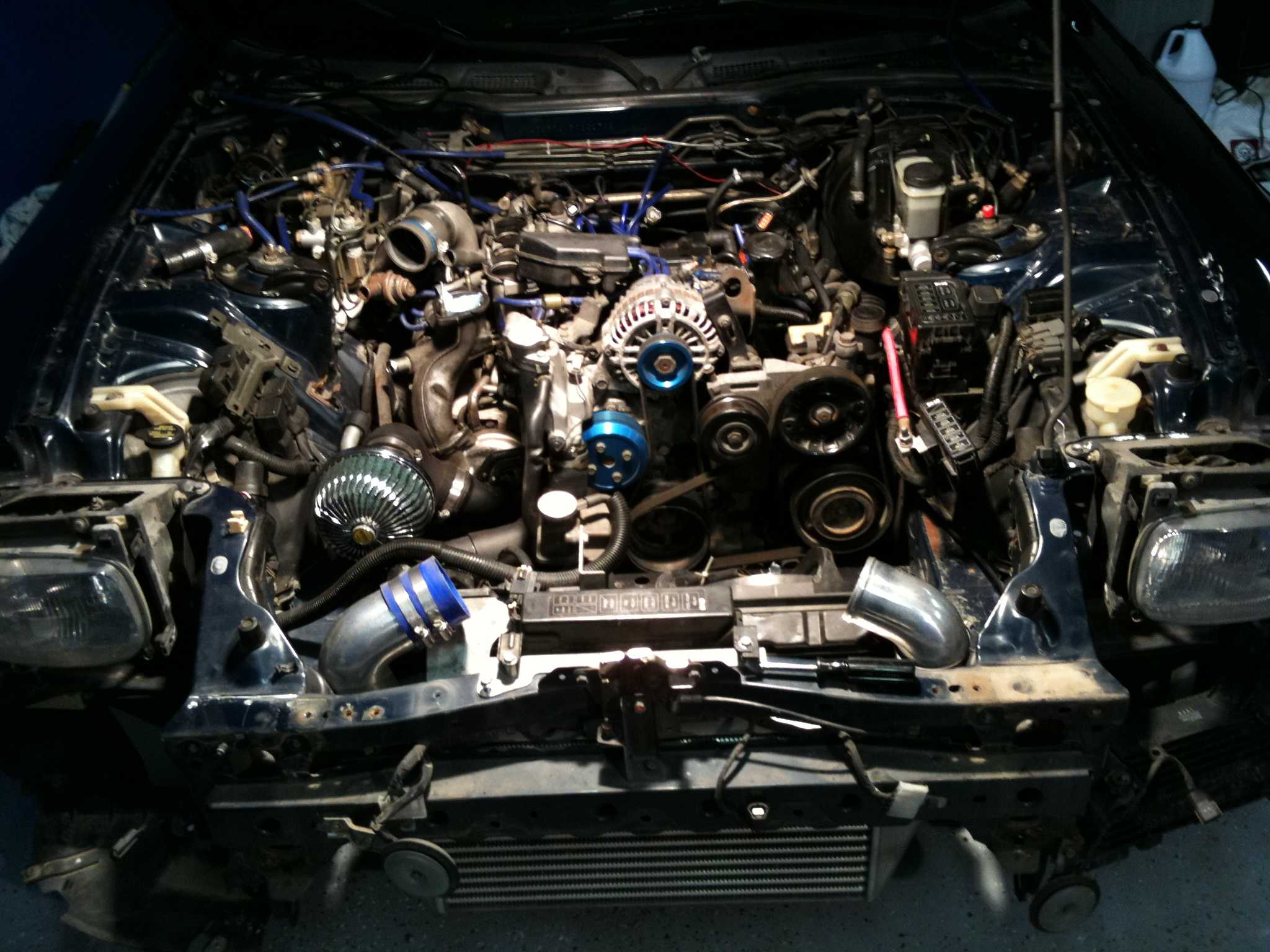
The two Hitachi turbochargers operate in a staged or sequential arrangement. The primary turbocharger supplies boost at lower engine speeds, while the secondary turbo is brought into the airflow path as revs and load increase. Correct operation depends on vacuum lines, solenoids, actuators, exhaust control valves and the ECU, so a twin-turbo label does not guarantee that both units are working properly.
Factory boost is often reported around 8 to 9 psi in normal operation, with brief variation according to gear, temperature and control strategy. Modified cars frequently run higher pressure, but additional boost requires adequate fuel delivery, intercooling, ignition control and engine monitoring. A boost controller alone is not a safe power upgrade.
Fuel, Cooling And Engine Management
The 13B-REW relies on electronic fuel injection, an airflow meter, dedicated rotary ignition hardware and Mazda’s factory engine control system. Later owners often replace the original ECU with systems such as an Apex’i PowerFC, particularly when changing injectors, turbochargers or intake hardware. Any ECU change should be matched to injector dead times, fuel pressure, sensor calibration and a verified air-fuel map.
Cooling is a priority in Australia, where summer temperatures in Brisbane, Sydney and Perth can expose marginal radiators, ageing hoses and blocked condenser airflow. The factory oil coolers are important because rotary oil temperatures can climb quickly during sustained highway driving, hill runs or circuit use. A clean radiator, functioning fans and a sound thermostat are basic requirements rather than optional upgrades.
Use premium unleaded, commonly 98 RON, when tuning or operating a high-load turbo engine. E10 availability varies between Australian stations, and compatibility should be confirmed for the complete fuel system rather than assumed from the pump label. Oil level should be checked frequently because the rotary oil metering system intentionally consumes oil to lubricate the seals.
Identifying Versions And Assessing Condition
Series changes brought revisions to intake plumbing, turbo control, cooling details, electronics, body fittings and interior equipment. The engine number, chassis code, ECU part number and wiring are more reliable identification points than an advertised “Series” description. Import documentation can also reveal whether a car has been converted, rebuilt or fitted with a replacement engine.
A compression test must use rotary-specific equipment and procedures. The results should record each rotor face, cranking speed and test temperature, rather than provide a single piston-engine-style figure. Even readings across all chambers are generally more encouraging than one impressive peak number with large variation between faces.
Inspect for hard starting when hot, unstable idle, smoke, coolant loss, detonation marks, oil leaks and unusual turbo shaft play. Vacuum leaks around the intake manifold and turbo control system can create poor boost transition and misleading fault symptoms. Australian registration inspections and engineering requirements may also apply when a larger turbo, aftermarket ECU or emissions-related modification is installed.
Practical Specification Checklist
Use this reference when comparing a standard engine with a modified FD3S:
- Configuration: twin-rotor, 13B rotary engine with sequential twin turbochargers.
- Displacement: 1,308cc nominal capacity, using two 654cc chambers.
- Compression ratio: generally 9.0:1 in factory FD3S applications.
- Factory output range: approximately 255–280 PS and about 294–314 Nm, depending on series and market.
- Critical systems: twin oil coolers, electronic fuel injection, rotary-specific ignition and ECU-controlled turbo sequencing.
The most useful factory diagrams, service data and production references can be cross-checked through the OEM information library. This is especially valuable when a Japanese import has mixed-series parts, an aftermarket ECU or incomplete service records.
For tuning, establish a healthy baseline before changing boost or port timing. Verify compression, fuel pressure, injector performance, ignition coils, air leaks, coolant temperature and exhaust gas readings first. Porting, larger injectors and standalone engine management can produce substantial gains, but they also move the engine away from the assumptions built into the original 13B-REW calibration.
A sound specification sheet should therefore include the engine series, turbo arrangement, ECU, injector size, boost level, fuel type, compression results and major cooling modifications. Recording those details gives owners a clearer picture than quoting peak dyno power alone.
Treat the 13B-REW as a precision performance engine with a clear operating envelope. Keep its cooling and lubrication systems in order, use accurate rotary-specific testing, and document every modification. With careful research and disciplined tuning, Australian RX-7 owners can preserve the character of Mazda’s sequential twin-turbo rotary while building a reliable foundation for road or track use.