
Factory Brochures as a Restoration Reference for Mazda RX-7 Owners
For many Mazda RX-7 enthusiasts in Australia, accurate restoration research starts in a glossy factory brochure from the early 1980s or 1990s. Original sales literature captures the design language, technical claims and option lists that often differ from later official documentation. Because Mazda released the RX-7 across three distinct chassis generations (SA/FB, FC and FD) with multiple facelifts in between, period brochures give restorers a snapshot of what was actually offered in a given model year.
In a country where the FD3S RX-7 was never officially sold new and many FB and FC examples are grey-import vehicles, brochure research becomes especially valuable. The original Japanese domestic market brochures document factory colour codes, interior trim options and dealer-fit accessories that never appeared in Australian workshop manuals. Local owners in Sydney and Melbourne share scans of these documents at club meets, recognising that one missing page can hold the key to a concours-correct restoration.
Australian compliance adds another layer. Cars brought in under the Specialist and Enthusiast Vehicle Scheme needed modifications to meet local lighting and emissions rules, meaning the original factory brochures sometimes describe features that do not match what is bolted onto a compliance-plated example. Restorers chasing originality need to understand both the brochure version and the ADR-compliant reality.
The following table summarises which brochures tend to be most useful for each restoration goal, drawn from what Australian RX-7 owners have found most helpful when sourcing period literature online.
| Restoration Goal | Best Brochure Source | Key Information Captured | Australian Relevance |
|---|---|---|---|
| Concours-correct paint | JDM colour chart brochures, late 1980s | Original paint codes, optional colours | Helps distinguish dealer-repaints |
| Interior trim accuracy | Australian-market accessory lists | Seat patterns, console options, steering wheels | Matches locally delivered cars |
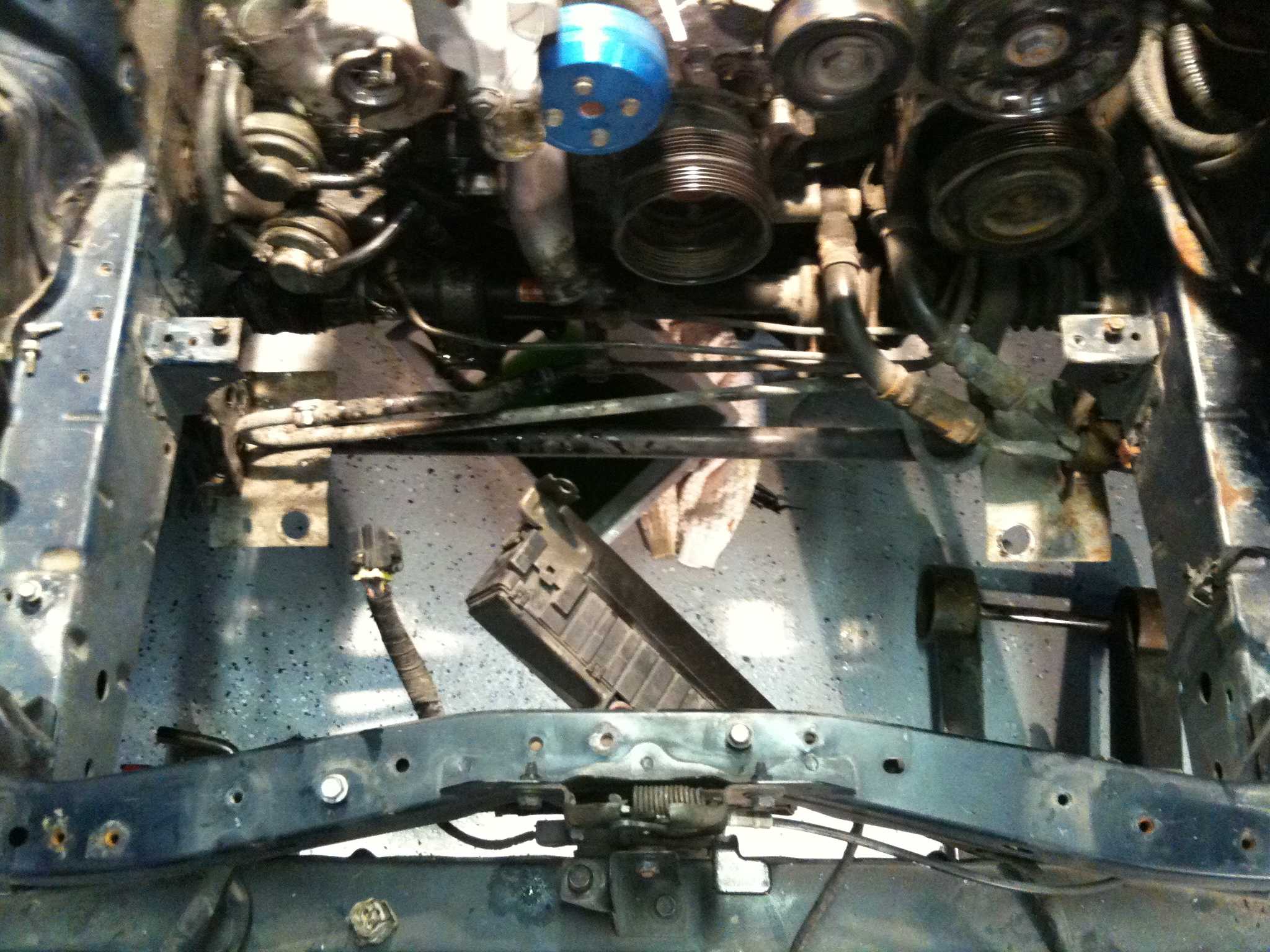
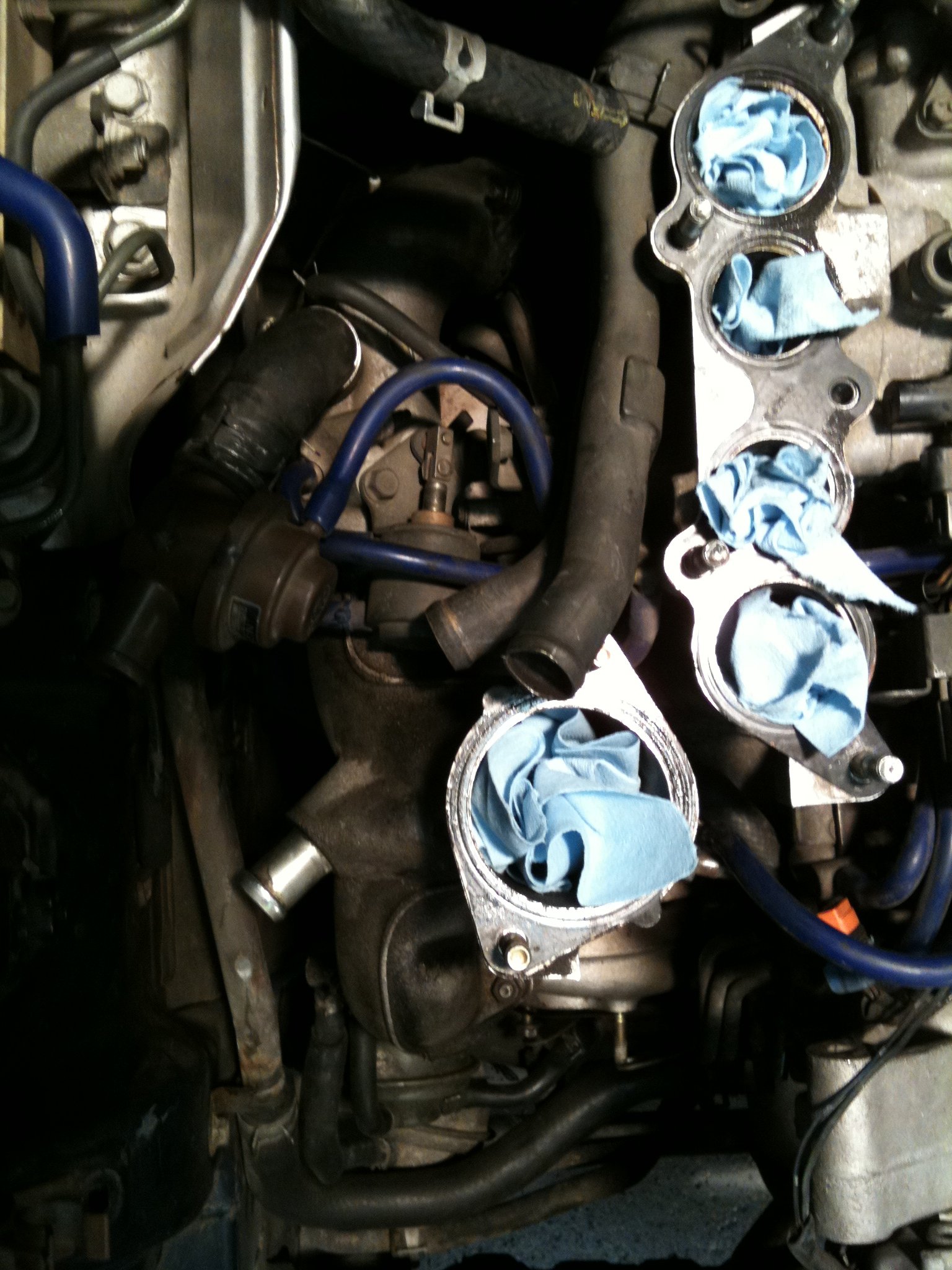
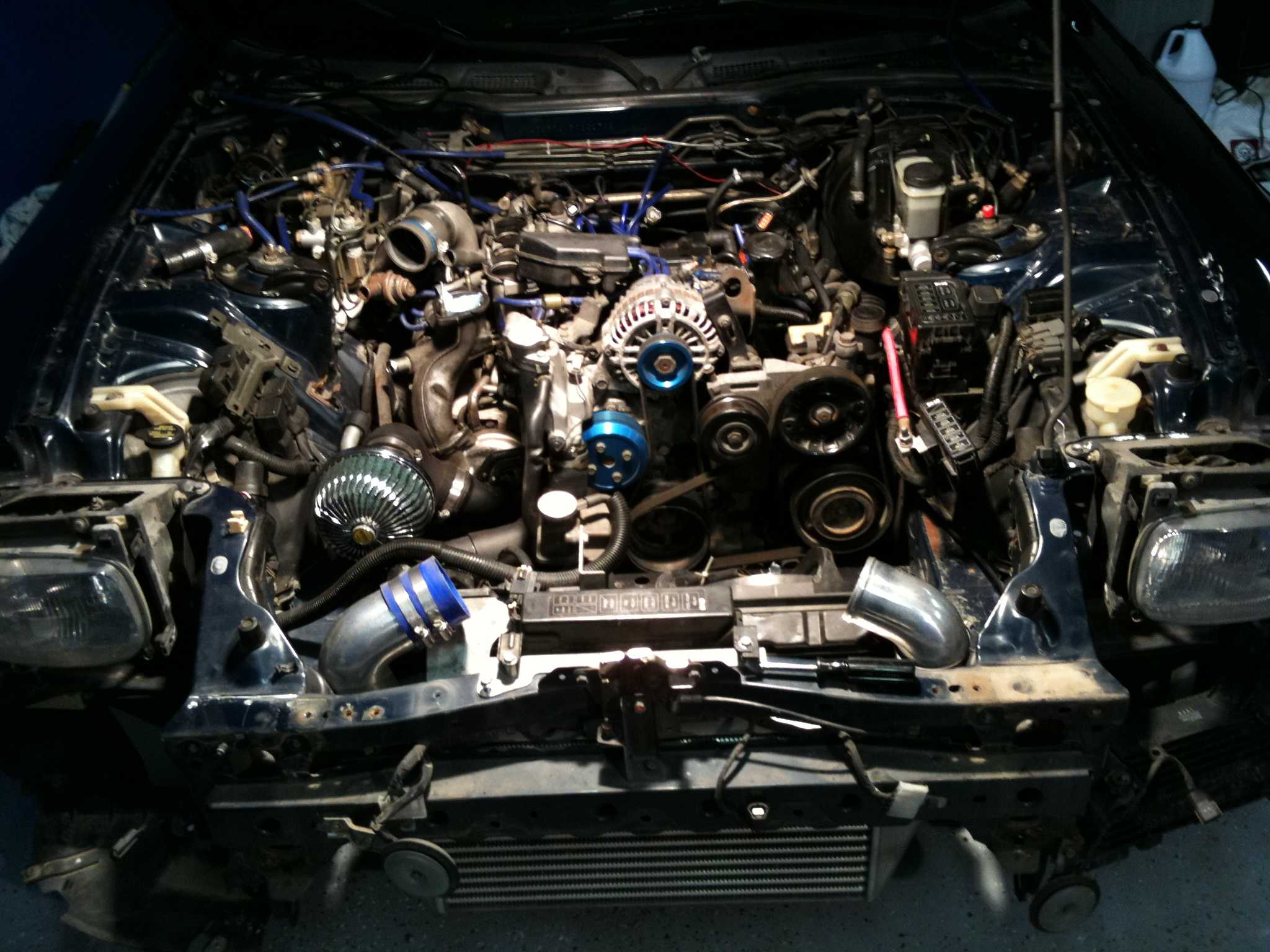
| Engine bay detail | Early FB series technical brochures | Induction piping, ECU labels | Useful for FB series restorations |
| Optional equipment | Full-line Mazda catalogues | Sunroofs, audio, alloys | Helps verify period-correct options |
Decoding the marketing language
Brochures from the FB era often read like poetry, with phrases such as "flowing harmony of motion" applied to what is, mechanically, a naturally aspirated 12A with a four-speed manual. The trick for restorers is to separate aesthetic language from measurable data. Most brochures include a small specification table on the back page or inside flap, and these numbers are usually reliable. Bore, stroke, compression ratio, kerb weight and final drive ratios are accurate enough to cross-check against the rotary-basics section of TurboRX7, which sets out the standard 13B dimensions for the FC and FD generations.
Marketing captions often hint at engineering intent that brochures never fully explained, and seasoned restorers read them as carefully as the specifications. Phrases such as "balanced rotor harmony" are rarely meaningless, and they usually correspond to factory adjustments documented elsewhere in the service literature.
Colour codes, trim and the devil in the details
Paint codes are notoriously hard to verify on a thirty-year-old rotary. Brochure colour charts were printed in CMYK and rarely match the actual factory paint perfectly, but they do list the codes clearly. Terms like "Formula Red" or "Antigua Blue" were applied to multiple generations with different codes, so restorers should always record the alphanumeric code rather than relying on the descriptive name.
Trim pages also document pattern codes for velour seats and door cards, which is essential when sourcing original-spec replacement fabric in Australia, where local trim shops in Brisbane and Perth often need to match weaves rather than just colours. Oddly enough, the colour-matching mindset restorers apply to RX-7 paintwork also turns up elsewhere, and the documentation of coral lipstick shades shows how seriously some industries treat published colour references.
Engine and drivetrain specifications
The technical specifications page is where brochures truly shine as a restoration reference. FC brochures, particularly the late Series 5 and 6 versions, include turbocharger model numbers, intercooler specifications and boost pressures that predate many aftermarket references. FD brochures document the 13B-REW details that Australian grey-import owners need when converting to right-hand-drive dashboards and matching local compliance plates.
For owners upgrading their engine management, comparing the factory ECU specifications against aftermarket options is far easier when the original brochure sits beside the workshop manual. Those chasing modern tuning flexibility often pair their restoration with powerfc-tuning tools, and brochure data helps confirm the baseline parameters before any remapping begins.
Chassis, suspension and brake data
Australian-delivered RX-7s occasionally differed from JDM equivalents in suspension and brake specification, particularly during the FB era when some locally converted examples used different compliance parts. Brochures for the Australian market list kerb weights, brake disc diameters and suspension type that are not always reproduced in generic workshop manuals. For a restoration judged on originality, these details matter.
Moving project RX-7s between workshops, shows and storage facilities often requires an enclosed transporter, and many local owners use converted vans such as those discussed in Ram ProMaster customization guides to shift rolling chassis safely across long distances from regional NSW to capital-city workshops.
Import documentation and local compliance
SEVS-compliant RX-7s imported into Sydney or Melbourne typically came with engineering reports listing modifications made to meet Australian Design Rules. Brochures help restorers understand what was original before those engineering changes, and which components were deliberately swapped.
Brake light positions, side repeater locations and even rear fog light fitments are often visible in period literature long before they appear in workshop supplements. Owners chasing historical accuracy sometimes discover that an option printed in a 1988 catalogue was standard by 1991, which has real implications when sourcing date-correct parts.
Practical recommendations for sourcing period literature
The real value of factory literature emerges when it is used alongside a workshop manual rather than instead of one. Brochures give the option list and the marketing intent, while the workshop manual confirms tolerances and service procedures. Restorers who collect both tend to produce more accurate cars.
Downtime between restoration sessions often goes to side hobbies, and some enthusiasts explore online rewards such as Elvis Frog no deposit bonuses while waiting for parts to clear Australian customs. While brochures cannot tell you how to bleed a brake line, they document intent and specification in a way no other source quite replicates.
- Build a careful collection of factory literature ahead of any cosmetic restoration.
- Confirm two paint codes against multiple sources rather than trusting forum guesses.
- Cross-reference three separate documents for any contested detail.
- Track four full sets of period brochures for accuracy per restoration project.
- Allow five years of patient research before entering concours judging.
- Keep six pages of trim documentation ready for trim shop consultations.
Period literature matters as much as any restoration tool, and Australian owners can source most Mazda factory brochures through specialist importers in Melbourne's RX-7 community, online auctions and the occasional swap meet find in regional Victoria. Order a colour laser copy, file it beside your parts catalogue, and revisit the documentation whenever a question arises. Subscribe to the TurboRX7 newsletter to keep up with new brochure scans as they become available.