
How to Identify a Factory Turbo Mazda RX-7
A genuine turbocharged Mazda RX-7 can be worth considerably more than a naturally aspirated car or a convincing turbo conversion. The challenge is that engines, dashboards, badges and even complete drivetrains are often swapped during an RX-7’s life. A factory turbo example should therefore be identified through several matching clues rather than one sticker or a single component.
This matters particularly in Australia, where local-delivery cars, Japanese imports, repaired vehicles and modified weekend cars can appear together in classifieds. Whether you are inspecting an FC3S in Sydney, an FD in Melbourne or a project car in Brisbane, compare the vehicle with period factory documentation and confirm that its identification numbers match its specification.
Start With The Generation And Market
The first-generation SA22C and FB RX-7 was generally naturally aspirated from the factory. Although turbo conversions are common and some markets received unusual rotary variants, an early RX-7 wearing a turbo badge should be treated as modified until its exact market and production records prove otherwise.
The second-generation FC is where factory turbo identification becomes especially relevant. Mazda produced the Turbo II, commonly recognised by its larger bodywork and “Turbo II” designation, while naturally aspirated GSL, GT and related versions used different specifications. The third-generation FD was sold with sequential twin turbochargers in its major performance variants, although trim names, power outputs and equipment differed between Japan, Australia and other export markets.
A compliance plate, VIN, build date and model code establish the starting point. They do not automatically prove that the current engine or turbo system remains original, but they can reveal whether the shell began life as a turbo model.
Inspect The VIN And Factory Plates
Record the VIN and model code before assessing modifications. Use a Mazda parts catalogue, factory service manual or reliable production database to decode the car’s original series, body type, engine family and market. Turbo and non-turbo versions may share many characters, so avoid relying on a generic online decoder that provides only the chassis identity.
Australian compliance plates are valuable because they help establish when and how a vehicle entered the local market. A car with an Australian compliance record may have a different specification from a Japanese import carrying a later registration date. Check that the plate is secure, legible and consistent with the stamped chassis number, registration records and import paperwork.
Compare the VIN against the body shell rather than accepting a replacement engine as evidence. If the number indicates a naturally aspirated model but the car now has a turbocharged 13B, it may be an expertly engineered conversion, yet it is not a factory turbo RX-7.
Look For The Correct Turbo Hardware
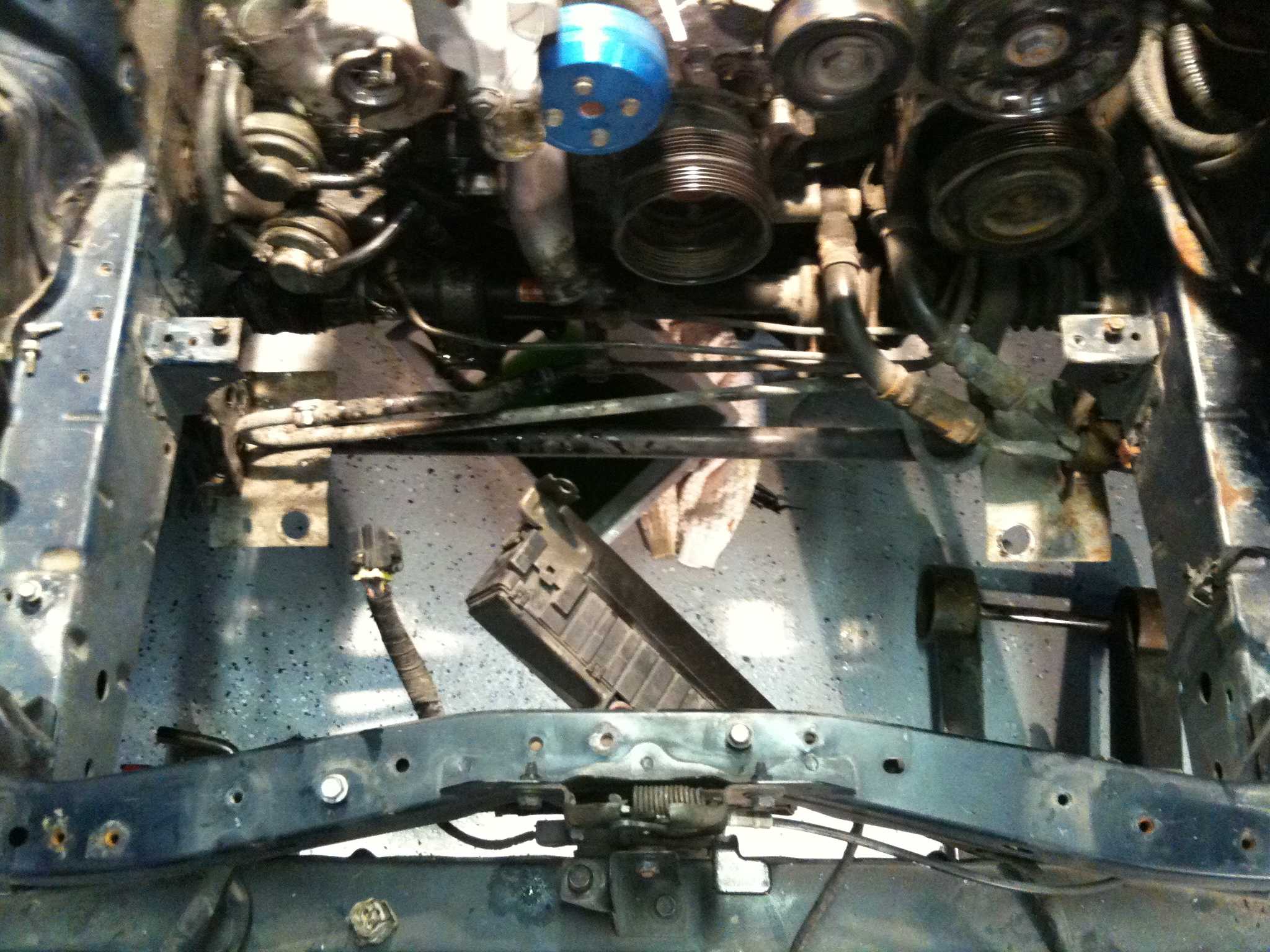
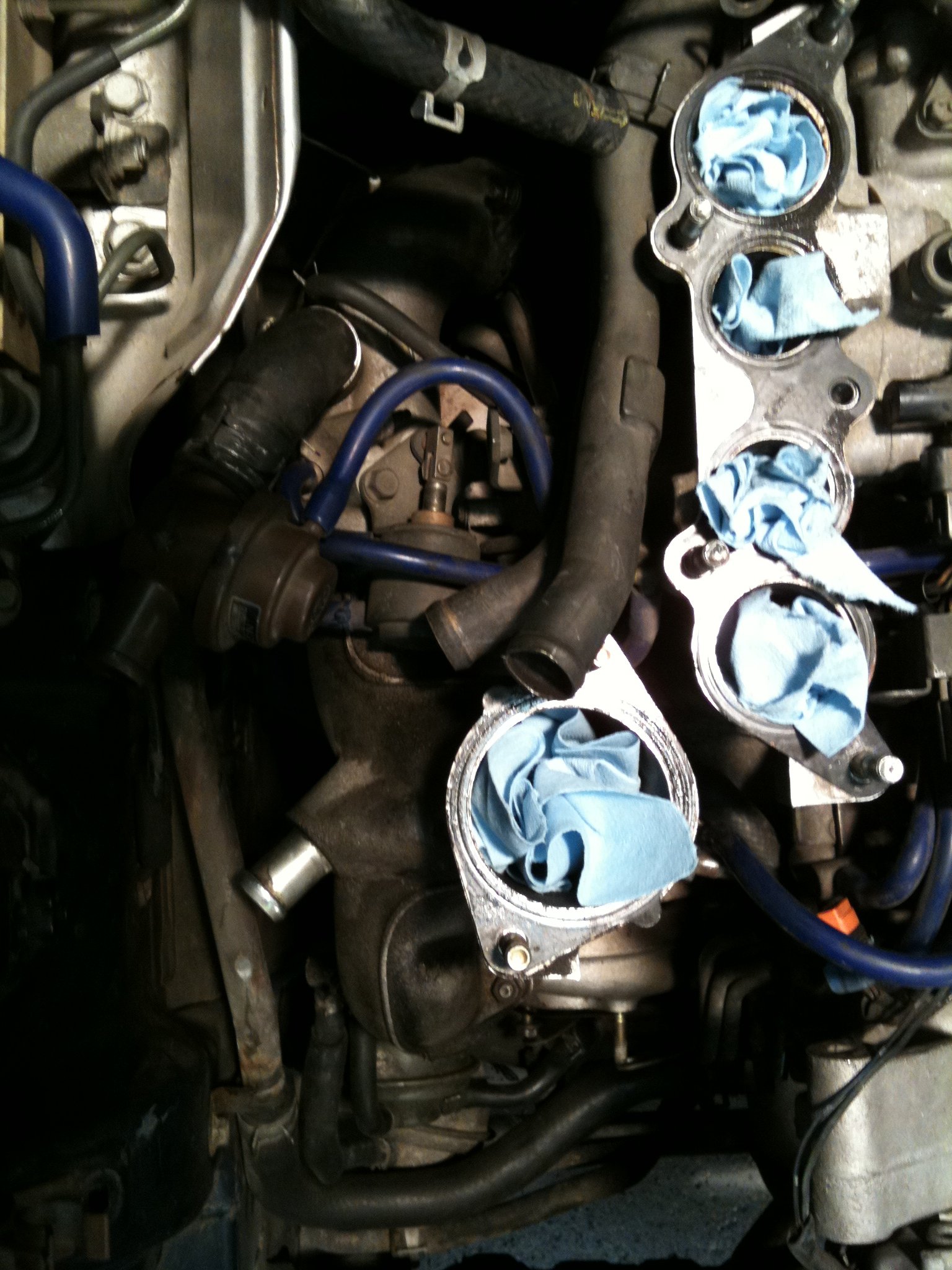
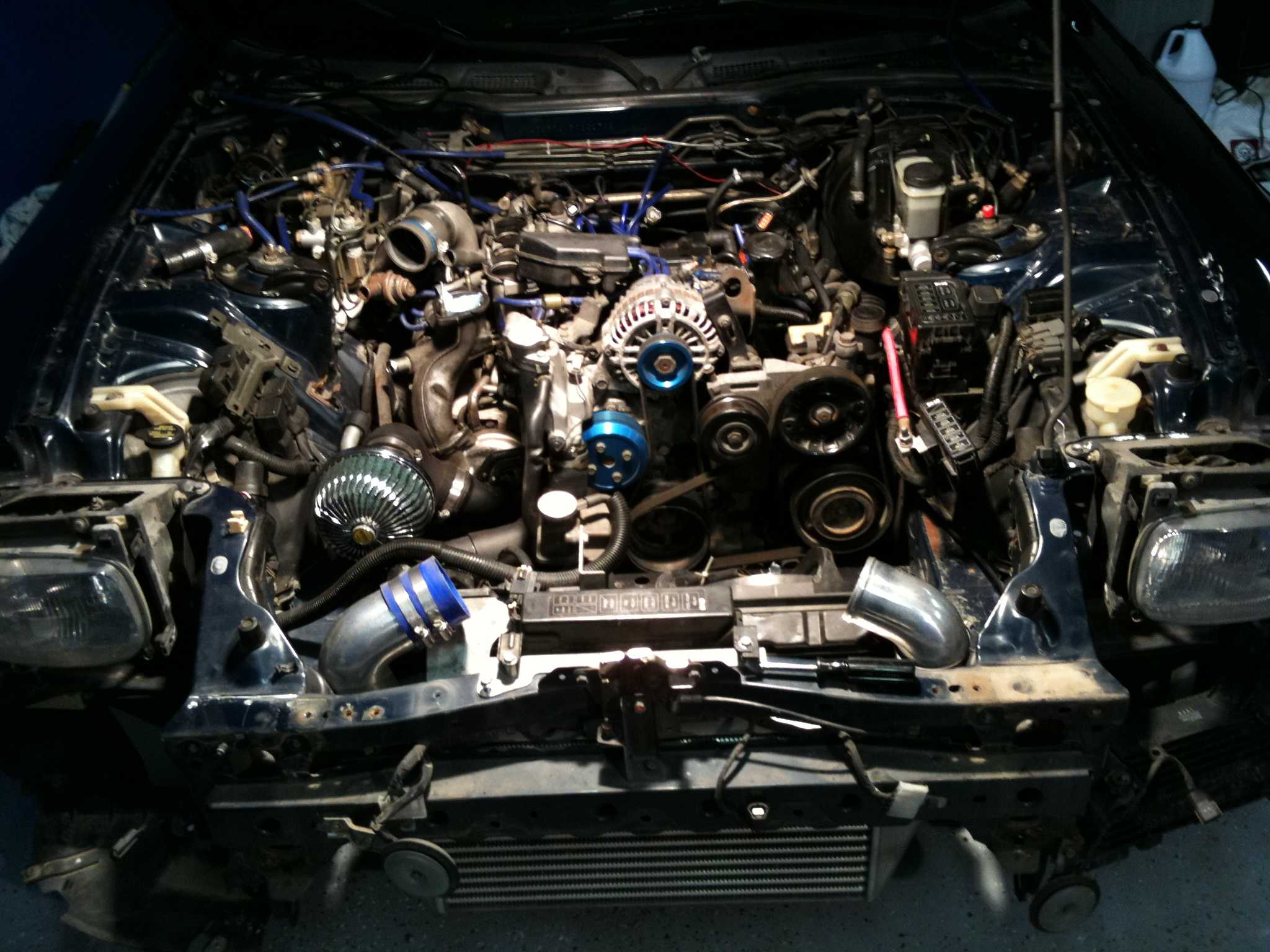
On an FC Turbo II, inspect the complete factory arrangement instead of simply looking for a turbocharger. The original system includes the appropriate exhaust manifold, turbocharger, intake plumbing, intercooler arrangement, oil and coolant lines, exhaust components and supporting sensors. A large aftermarket turbo, welded piping and a standalone ECU usually point to modification rather than factory specification.
FD models should have the characteristic sequential twin-turbo layout, including the two turbochargers, control valves, actuators and original-style plumbing. Missing vacuum lines, simplified pipework or a single large turbo conversion can make an engine bay look cleaner, but these changes indicate that the factory system has been altered.
The engine number can support the investigation, although rotary engines are frequently replaced. Inspect the housings, intake manifold, injectors, airflow metering, wiring and ECU together. A factory turbo engine should show a coherent group of components, not a mixture assembled from an RX-7, an aftermarket kit and later tuning parts.
Check The Body, Brakes And Suspension
Mazda usually gave higher-performance turbo models supporting chassis equipment, although exact details vary by series and market. Look for the correct brakes, hubs, wheels, suspension components, steering equipment, oil coolers and driveline parts listed for that model. These components are useful corroboration when they match the VIN and engine bay.
The FC Turbo II’s wider guards and distinctive front and rear styling are helpful clues, but body panels can be changed after an accident or fitted to a replica. FD bodywork is also easy to alter with spoilers, vents and aftermarket bumpers. Treat visual appearance as supporting evidence only.
Examine the underside for factory brackets, original cooler mounts, heat shielding and uncut wiring. A car converted from naturally aspirated specification may have drilled brackets, improvised hoses or brake upgrades that do not correspond to the factory parts catalogue. In Australia, a modification that is legal in one state may require additional engineering approval elsewhere, so paperwork matters as much as the hardware.
Use The Interior And Controls As Evidence
Factory turbo RX-7s often have model-specific instrument clusters, boost gauges, warning labels, seats, steering wheels and trim. These details can help identify a car, especially when several interior parts remain untouched. However, dashboards are commonly replaced, and a boost gauge may have been installed by a previous owner.
Study the wiring behind the dash. Factory looms generally use orderly connectors, original brackets and consistent wire colours, while aftermarket conversions may include crimp joins, loose relays, piggyback computers or abandoned alarm wiring. A PowerFC or other programmable controller can be useful for tuning, but its presence does not establish factory turbo status.
For a broader understanding of how the rotary systems fit together, consult rotary engine basics alongside the relevant workshop manual. Understanding apex seals, oil metering, intake flow and cooling makes it easier to distinguish an original arrangement from a performance build.
Confirm The Evidence Before Buying
Ask for the car’s import documents, old registration papers, service invoices, dyno sheets and photographs from before restoration. A vehicle history showing the same turbo engine, body specification and chassis number over many years is stronger evidence than a recent advert describing the car as “factory turbo”.
Arrange a pre-purchase inspection with a rotary specialist who can perform compression testing, inspect shaft play, pressure-test the cooling system and assess the turbo control system. An independent inspection from a workshop such as Alan Vines Automotive may also help identify undocumented mechanical work, although the inspector should be familiar with the specific RX-7 generation.
Keep research organised and separate verified documentation from enthusiast claims. Online listings can mix technical information with unrelated promotional material, so even a page such as Elvis bonus codes should not be treated as vehicle evidence simply because it appears in a search result. Save photographs of plates, engine numbers and unusual components for later comparison.
Use the VIN, factory specification, complete turbo hardware, supporting chassis equipment and ownership history as a five-part verification process. Before committing to an FC or FD in the Australian market, have the car inspected, check its registration and engineering status, and compare its details with Mazda documentation so you know whether you are buying a factory turbo RX-7, a quality conversion or a replica.