
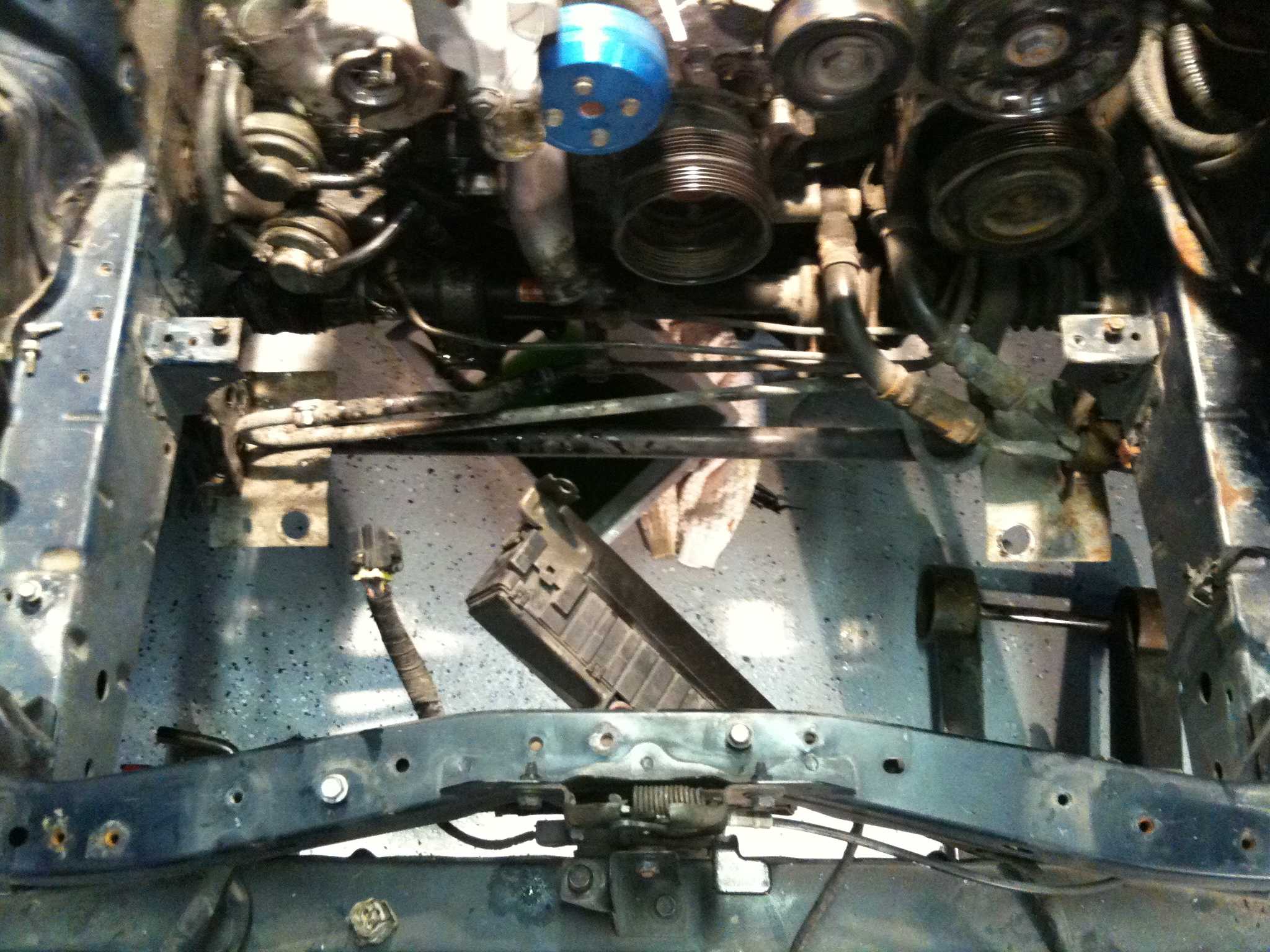
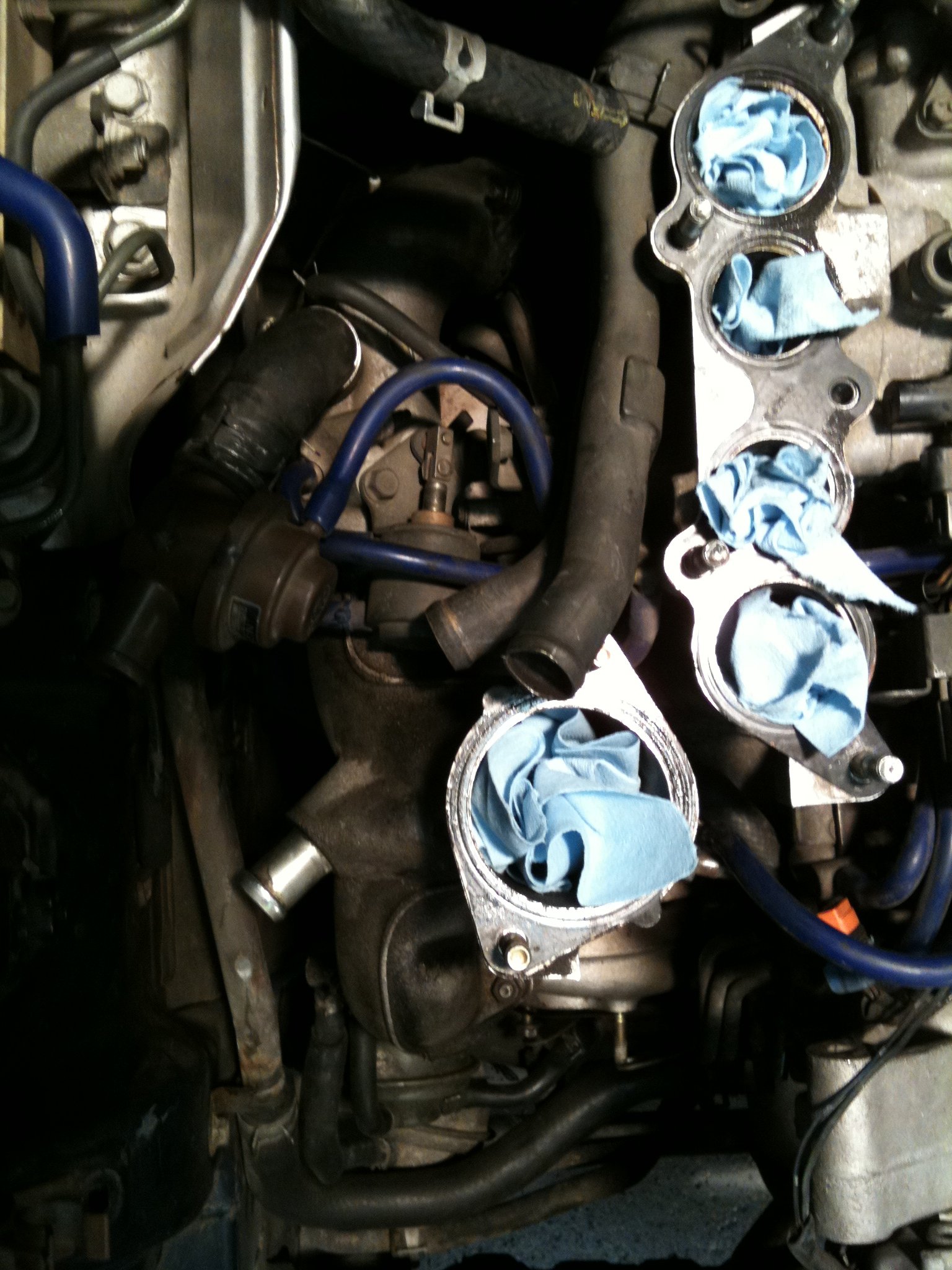
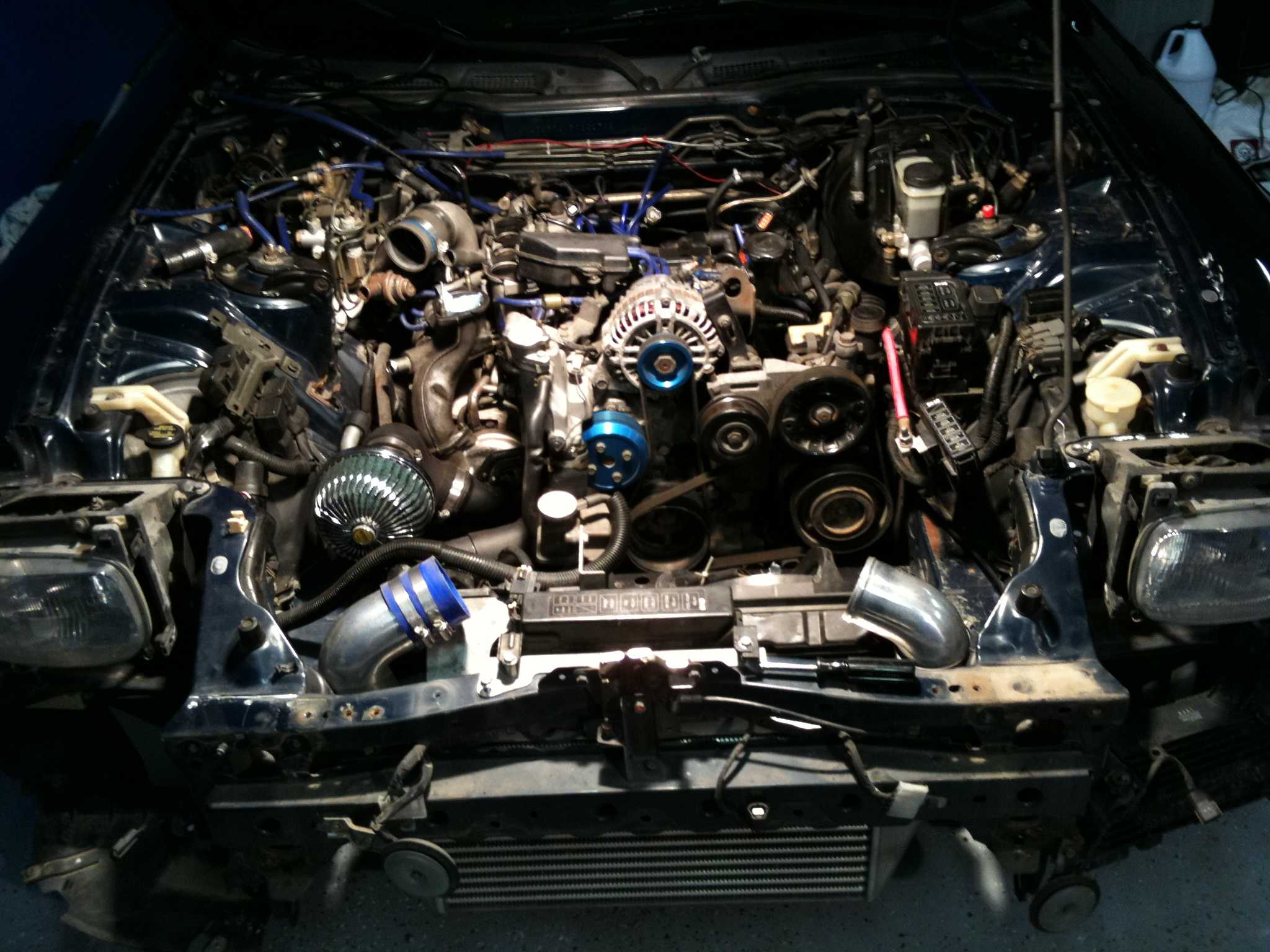
Single Turbo Conversion On An FD3S: Parts, Tuning, And Drivability
The FD3S RX-7 responds dramatically to a well-planned single-turbo conversion. Replacing the factory sequential twin-turbo system can simplify exhaust routing, reduce aged vacuum plumbing and create a clearer path to higher power. It can also make the car less pleasant in traffic if the turbo, exhaust housing, intercooler and engine calibration are chosen without regard for response. Learn more about Windowsで複数モニターのリフレッシュレートを個別に設定して表示のちらつきを防ぐ方法.
For an Australian street car, the best setup is rarely the biggest one that fits. A responsive turbo with sensible boost, effective heat control and conservative ignition timing will be faster across real roads than a laggy combination that only works near redline. The choice should suit weekend drives through the Adelaide Hills, Sydney traffic or long summer runs up the Bruce Highway.
The conversion should be treated as a complete system rather than a turbo swap. Fuel supply, oil cooling, ECU strategy, clutch capacity, emissions equipment and engineering approval all affect the result. Before selecting parts, confirm the car’s original specification using FD3S VIN details and inspect the engine thoroughly.
| Area | Sensible street-focused choice | Main trade-off |
|---|---|---|
| Turbocharger | Modern single with fast-spooling turbine | Less ultimate top-end power |
| Exhaust manifold | Quality divided or compact tubular manifold | Cost and bonnet clearance |
| Wastegate | 40–45 mm external unit | Requires careful placement and plumbing |
| Intercooler | Efficient front-mount with short piping | More fabrication and pressure drop |
| ECU | Standalone or capable programmable factory replacement | Calibration time and wiring |
| Fuel system | Pump, injectors and regulator sized for ethanol plans | Extra cost and fuel-system complexity |
| Drivability target | Moderate boost with progressive torque | Lower peak dyno number |
Choosing The Turbo And Exhaust Layout
A single turbo for a 13B street engine should be selected around the intended power band. A compact turbo in the GT28, GTX30 or similar response-oriented class can provide strong mid-range performance, while larger GT35-type units suit higher power targets with more lag. Turbine housing size, bearing design and exhaust manifold volume matter as much as the compressor designation.
The manifold must clear the FD’s tight engine bay, steering components, brake hardware and bonnet. A cast or compact tubular design generally helps retain heat and reduce cracking. Use a properly mounted external wastegate, a high-quality dump pipe and adequate flex support. An open screamer may sound appealing at a track day, but a recirculated wastegate is much easier to live with on public roads and at noise testing.
The rotary’s exhaust energy can make the engine bay extremely hot. Ceramic coating, turbo blankets, heat shields and reflective barriers protect wiring, intake air and brake components. Keep oil drain routing short and continuously downhill, with enough crankcase ventilation to avoid forcing oil past the turbo seals.
Fuel, Cooling And Supporting Hardware
The fuel system needs headroom rather than a barely adequate calculation. Select injectors for the chosen fuel, duty-cycle limit and future boost level, then confirm that the pump, wiring, relay and fuel lines can deliver stable pressure. E85 can support impressive knock resistance and power, but availability varies between Australian suburbs, and ethanol content can change between suppliers. A flex-fuel sensor is valuable for a car that may alternate between E85 and 98 RON premium.
A larger aluminium radiator, reliable electric fans and a properly shrouded cooling system are sensible upgrades. The factory oil cooler system should be inspected carefully, with fresh hoses and thermostatic control where appropriate. In Queensland or Western Australia, ambient heat can expose marginal cooling much sooner than a cool workshop dyno session.
Intercooler placement involves a compromise. A large front-mount intercooler lowers charge temperature, yet excessive core size and long piping can soften throttle response. Keep pipework smooth, use proper bead-rolled joins and fit a bypass valve that matches the ECU’s airflow strategy. Replace tired vacuum hoses, check the intake manifold seals and pressure-test the entire system before tuning.
For foundational context on housings, apex seals and rotary airflow, the rotary engine basics material is useful before changing boost or port timing.
ECU Calibration And Boost Control
A single turbo conversion needs a calibration built for the new airflow model. The ECU must correctly manage fuel, ignition, idle control, boost pressure, intake-air temperature compensation and overboost protection. A programmable ECU also makes it easier to configure staged boost, gear-based limits, flex-fuel correction and closed-loop wideband control.
Rotaries are especially sensitive to ignition timing, exhaust temperature and lean mixtures under load. A competent tuner will establish safe fuel pressure, verify injector data and tune on a load-bearing dyno rather than relying on a brief power run. Start with low boost, monitor both rotor housings where possible, and retain sensible limits for coolant temperature, intake temperature and oil pressure.
Use a boost controller that fails safely and connect the wastegate reference line directly and securely. A fuel-pressure sensor, wideband oxygen sensor, EGT monitoring and ECU data logging provide valuable warning before a small fault becomes an apex-seal or detonation problem. When a laptop is running several dashboards during tuning, these screen setup notes can help prevent distracting display flicker.
Making The Car Pleasant To Drive
Peak power figures do not tell the whole story. A responsive turbo, correctly sized injectors and a stable idle valve can make the RX-7 feel close to an original street car while delivering considerably more performance. Throttle sensitivity should be progressive, with boost arriving smoothly instead of producing a sudden torque spike that unsettles the rear tyres.
Clutch condition becomes important once torque rises. A heavy puck clutch may survive launches but can make Sydney crawling traffic miserable. A sprung organic or street-friendly twin-plate unit is usually a better match for a road-driven FD. Check gearbox mounts, differential mounts, driveshaft joints and half-shafts before increasing torque.
Retain air conditioning and sensible intake filtration if the car is used regularly. Noise, heat and cabin fumes quickly become tiresome on a summer trip from Melbourne to the coast. In Australia, modified-vehicle rules differ by state: an engineer’s certificate or modification approval may be required in NSW, Victoria or Queensland, and registration inspectors can examine emissions, noise, fuel lines and turbo installation details. Discuss the proposed combination with an authorised engineer before fabrication, not after the car is off the road.
Testing, Reliability And Legal Use
Begin road testing with conservative boost and a complete inspection after every short drive. Look for oil leaks, loose clamps, fuel odour, abnormal exhaust smoke, rising coolant temperature and changes in idle quality. A boost leak can create dangerous lean conditions, while a blocked breather or poor drain can mimic a failing turbocharger.
The first dyno session should establish a safe baseline, not chase a headline number. Repeat pulls only after checking temperatures and fluid levels, then validate the tune under real conditions. Log transient throttle, cold starts, hot restarts and low-speed cruising, because a car that performs well at wide-open throttle may still surge or foul plugs around town.
Keep documentation for every major component, including injector data, ECU maps, dyno results and engineering paperwork. That record helps with future fault-finding and can make discussions with an insurer or registration authority far easier. A well-executed single-turbo FD3S should start cleanly, cruise calmly, build boost predictably and protect its 13B when the road opens up.
Build the conversion around the way the car will actually be used, then have the finished system pressure-tested, professionally calibrated and checked for Australian road compliance. The reward is a sharper, simpler and highly capable RX-7 that remains enjoyable long after the dyno session.