
1993 FD3S Type R vs Type RZ Equipment and Weight
The 1993 Mazda RX-7 FD3S Type R and Type RZ were built around the same compact twin-turbo rotary formula, yet they targeted slightly different owners. The Type R was the focused road-and-track grade, while the Type RZ pushed further toward low mass, sharper suspension response and a more special-edition cabin.
Both belonged to the Japanese-market Series 3 period and used the 13B-REW sequential twin-turbo engine. Factory figures can vary between brochures, registration records and export databases, so an Australian buyer should treat quoted kerb weights as guide values rather than absolute measurements.
That distinction matters when inspecting an imported FD in Sydney, Melbourne or Brisbane. Wheels, exhausts, intercoolers, air-conditioning components and compliance work can quickly erase the small factory difference between these two grades.
| Specification | 1993 FD3S Type R | 1993 FD3S Type RZ |
|---|---|---|
| Engine | 13B-REW, 654 cc × 2 | 13B-REW, 654 cc × 2 |
| Japanese rated output | 255 PS | 255 PS |
| Driven wheels | Rear-wheel drive | Rear-wheel drive |
| Transmission | Five-speed manual | Five-speed manual |
| Seating | Usually four-seat layout | Two-seat layout |
| Approx. factory weight | About 1,250–1,260 kg | About 1,220–1,240 kg |
| Main focus | Lightweight sports grade | Further weight reduction and track bias |
Shared mechanical foundation
The two cars share the essential FD3S architecture: a front-mounted 13B-REW, rear-wheel drive, independent suspension and a five-speed manual gearbox. In period Japanese specifications, the engine was rated at 255 PS, with the sequential turbo system supplying strong mid-range acceleration while preserving usable response at lower engine speeds.
The published power figure should not be confused with a modern dyno result. Japanese ratings were measured under the standards of the time, and an ageing rotary may produce considerably less at the wheels after decades of heat cycles, boost leaks or poor compression. A sound starting point is the rotary basics guide, particularly when comparing a factory engine with a modified street car.
Cooling and lubrication are central to both models. A Type RZ is not automatically healthier because it is rarer, and a standard Type R is not necessarily slower once suspension, tyres and boost control have been upgraded. Compression testing, turbocharger condition and radiator airflow tell a more useful story than the badge alone.
Where the Type RZ saved weight
The Type RZ’s principal advantage came from equipment deletion and competition-minded specification rather than extra engine power. It was generally configured as a two-seater, removing the rear bench and associated trim. Lightweight sports seats, reduced interior fittings and special suspension components helped lower mass and sharpen the car’s responses.
Some period references list the Type RZ around 30 to 40 kilograms lighter than a comparable Type R, while others show a smaller gap. The variation usually reflects optional equipment, wheel designs, air-conditioning, factory measurement methods and whether the car retained its original interior. A stripped modern import may weigh less than either factory figure, but that does not prove it was delivered as a genuine RZ.
The Type RZ is also associated with performance-oriented dampers, distinctive alloy wheels and a more purposeful interior treatment. Equipment details can differ by production batch, so chassis-number research and original Japanese documentation are valuable when verifying a claimed RZ. In Australia, an imported car advertised as “RZ spec” may simply have Recaro seats or aftermarket wheels fitted to a Type R shell.
Equipment and driving character
The Type R offered a strong balance between daily usability and circuit potential. It retained more of the normal FD cabin, making it better suited to weekend touring, commuting and occasional track days. For an owner dealing with Sydney traffic or long motorway runs between Melbourne and Adelaide, that extra practicality can matter more than a modest reduction in kerb weight.
The Type RZ’s two-seat arrangement and firmer setup gave it a more specialised personality. Its reduced mass could improve braking feel, turn-in and transient response, although the difference is easiest to notice with equivalent tyres and alignment settings. A worn or incorrectly rebuilt suspension can make an RZ feel less capable than a well-maintained Type R.
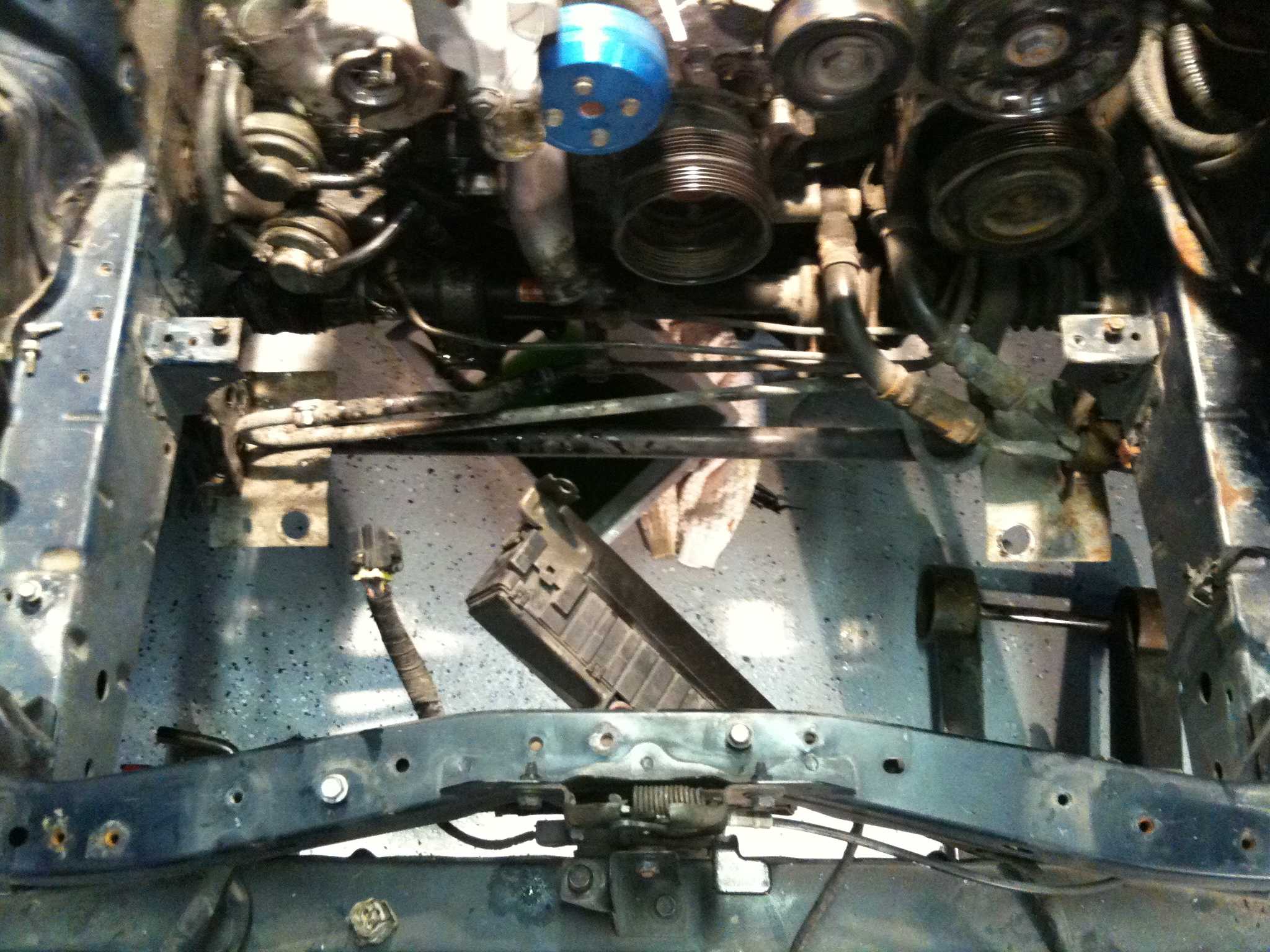
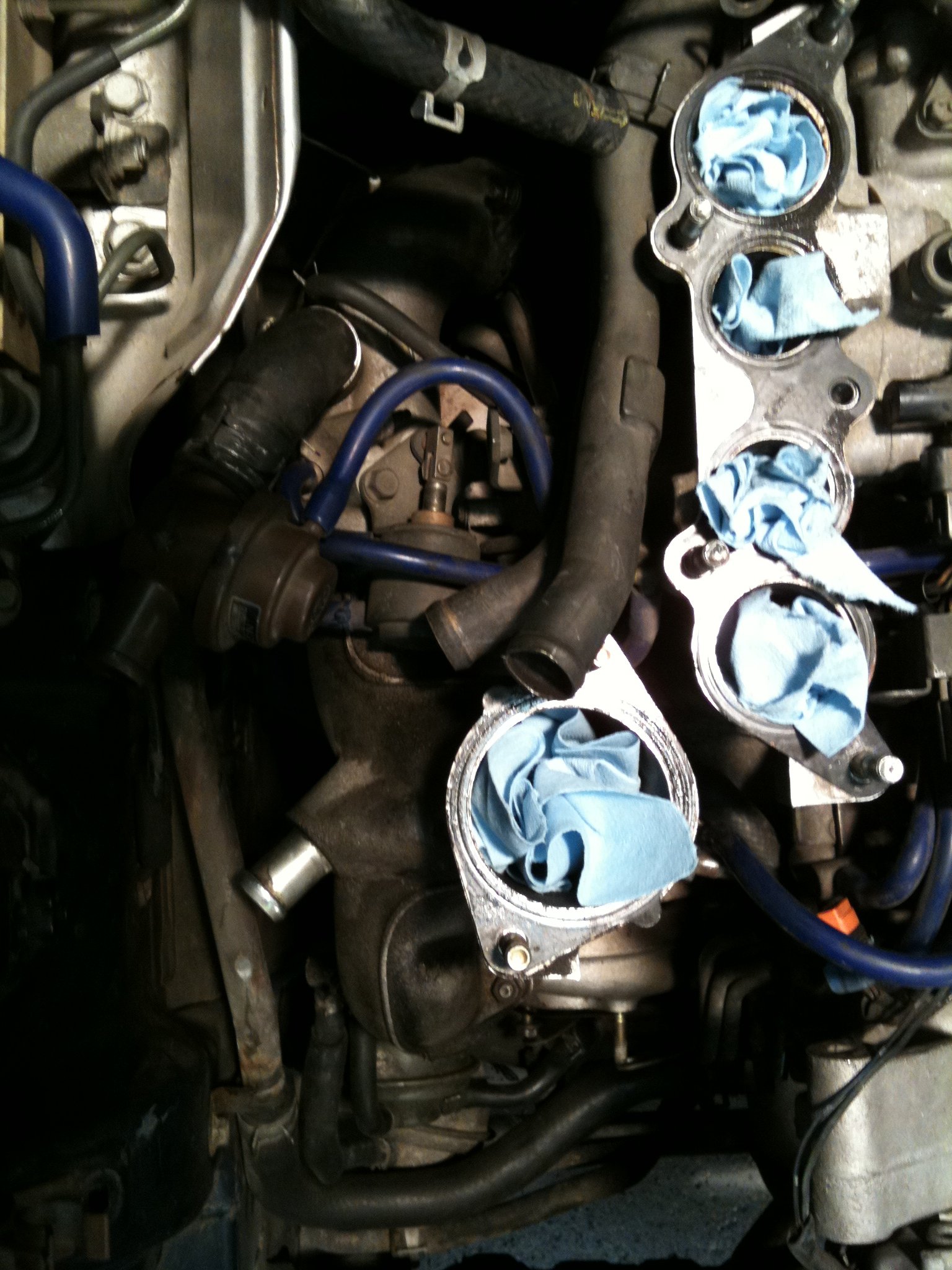
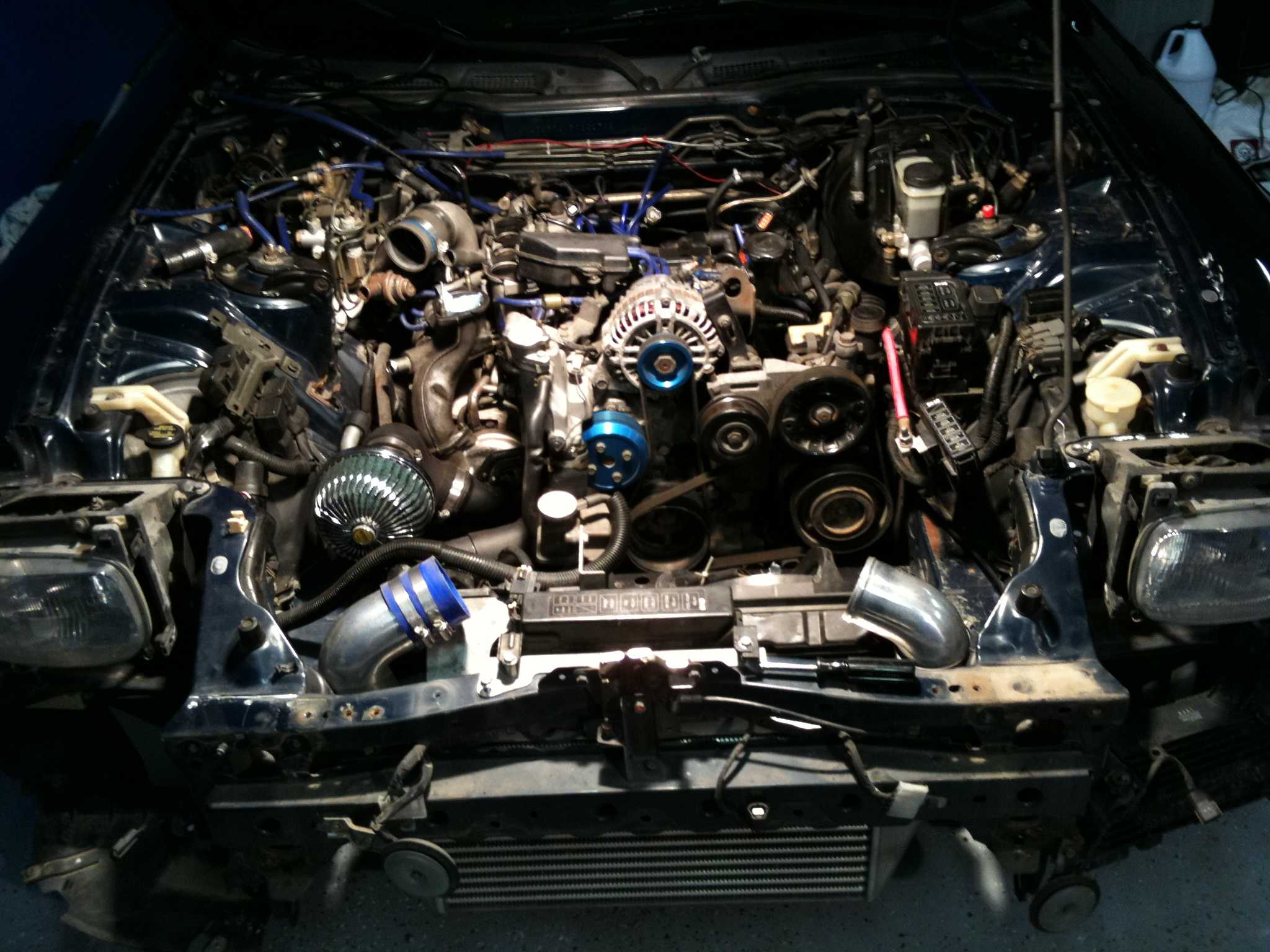
Interior originality is important for collectors. Genuine seats, carpets, wheels, dampers and trim pieces can be expensive to replace, particularly when Australian compliance modifications or previous track use have altered the car. Even apparently minor workshop work deserves care; documenting the garage process, much like these DIY installation notes, helps preserve a clear record of what was changed and why.
Australian buying and ownership considerations
Australian-market RX-7s were not identical to every Japanese domestic model, and imported FD3S examples require careful attention to compliance plates, import approval history and state registration rules. A car registered in New South Wales may face different inspection expectations from one presented for registration in Victoria or Queensland. The paperwork should support the claimed model grade rather than relying on a seller’s description.
Climate and road use also affect the comparison. Brisbane heat places extra demand on cooling systems, while Melbourne’s cooler mornings and seasonal temperature swings can reveal brittle hoses, cracked plastic tanks or marginal battery connections. Rapid temperature changes can aggravate damaged glass, so owners should understand how heat affects windscreen cracks before treating a small chip as harmless.
Fuel quality and maintenance habits are equally relevant. Premium 98 RON petrol is the sensible baseline for a turbocharged 13B-REW, especially where an aftermarket ECU or increased boost is fitted. Rotary owners should also establish whether the oil-injection system is working correctly and whether the previous owner used a documented premixing strategy; this premixing guide explains why lubrication decisions influence long-term apex-seal and housing health.
Which grade makes more sense today
The Type R is usually the more practical choice for an Australian enthusiast who wants an original-looking FD that can be driven regularly. It offers much of the Type RZ’s suspension and performance character without making the cabin as specialised. A carefully maintained Type R with healthy compression, standard cooling and correct boost control is often a better ownership proposition than a neglected RZ.
The Type RZ suits a buyer who values rarity, provenance and a sharper factory specification. Its lower mass and two-seat layout are meaningful, but only when the car retains the equipment that made the grade distinctive. Modified examples can be enjoyable, although they should be assessed as tuned RX-7s rather than assumed to carry the full value of an original RZ.
For engine comparisons, the difference between naturally aspirated and turbocharged rotary layouts is covered in this 13B rotary comparison. It provides useful context when judging whether a factory 13B-REW, rebuilt motor or conversion still matches the car’s intended character.
For Australian buyers, the best example is the one with verifiable identity, consistent service records, sound compression and unaltered cooling fundamentals. Use factory brochures, VIN information and inspection evidence to establish whether a car is a Type R, a Type RZ or a visually similar build, then preserve those records as part of the FD3S’s history.