
Street port vs full bridge port: RX-7 timing events
A comparison of street port and full bridge port timing starts with what changed under the intake port. A street port sharpens response and broadens torque, while a full bridge port opens the passage for airflow and top-end capacity. The labels describe intent, not a universal ignition curve.
Both alter how charge enters a 13B or 20B rotor and how exhaust is scavenged. This changes cylinder pressure, boost response and safe ignition advance. A ported engine needs a matched ECU calibration, especially when cam timing, boost and fuel octane are also revised.
The useful comparison is not simply street versus race. It is whether the car handles daily running around Melbourne, attends a club meet on a Sunday arvo or spends days on a mountain route. Each role rewards a different balance of intake velocity, breathing capacity and repeatable ignition control.
Australian conditions add boundaries: fuel grades use RON, road data uses metric units, and rego rules differ by state. Heat, humidity, corrugated roads and long distances also reward a stable, streetable calibration more than a peak figure gathered once.
What changes between street and full bridge ports
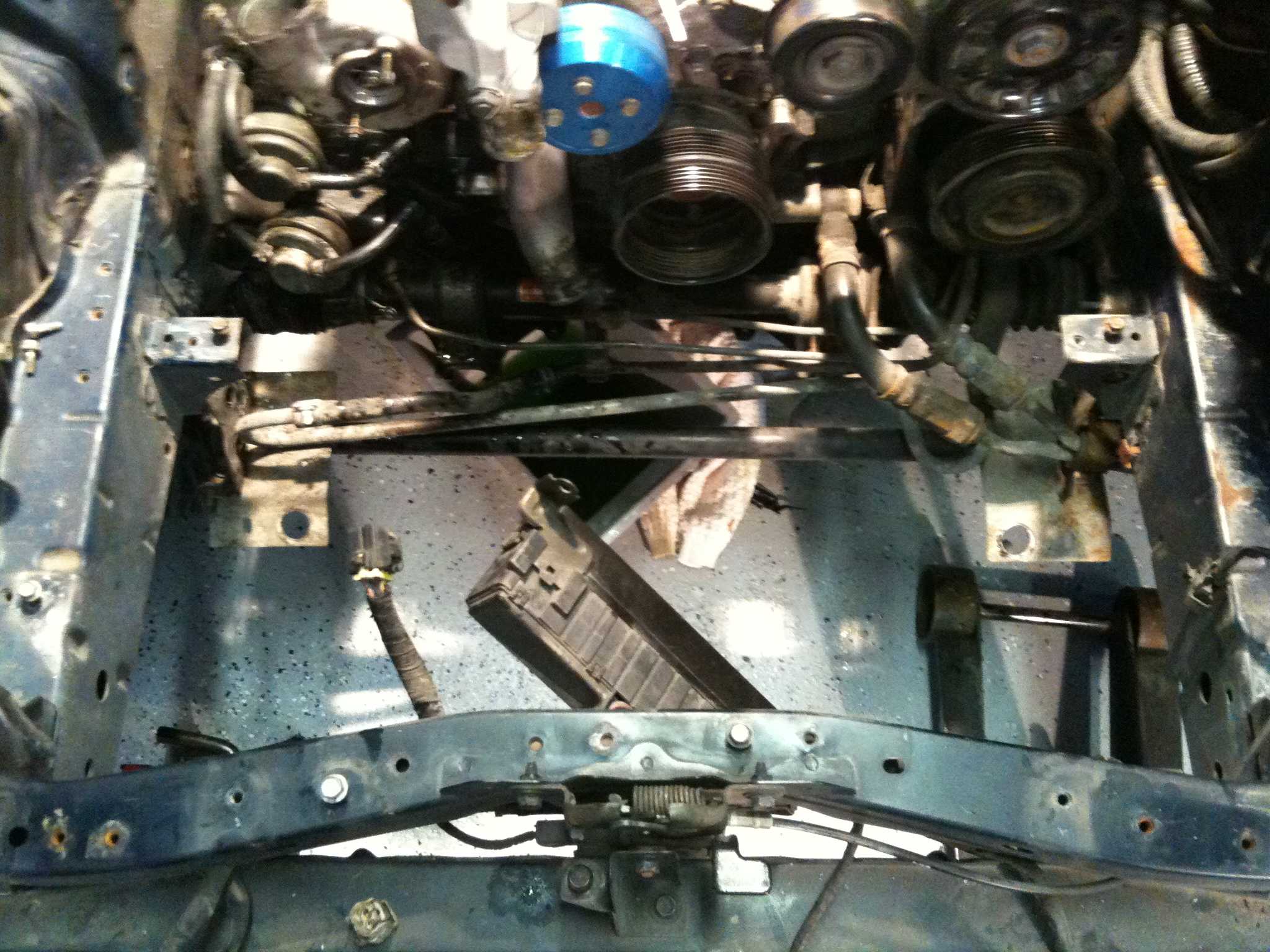
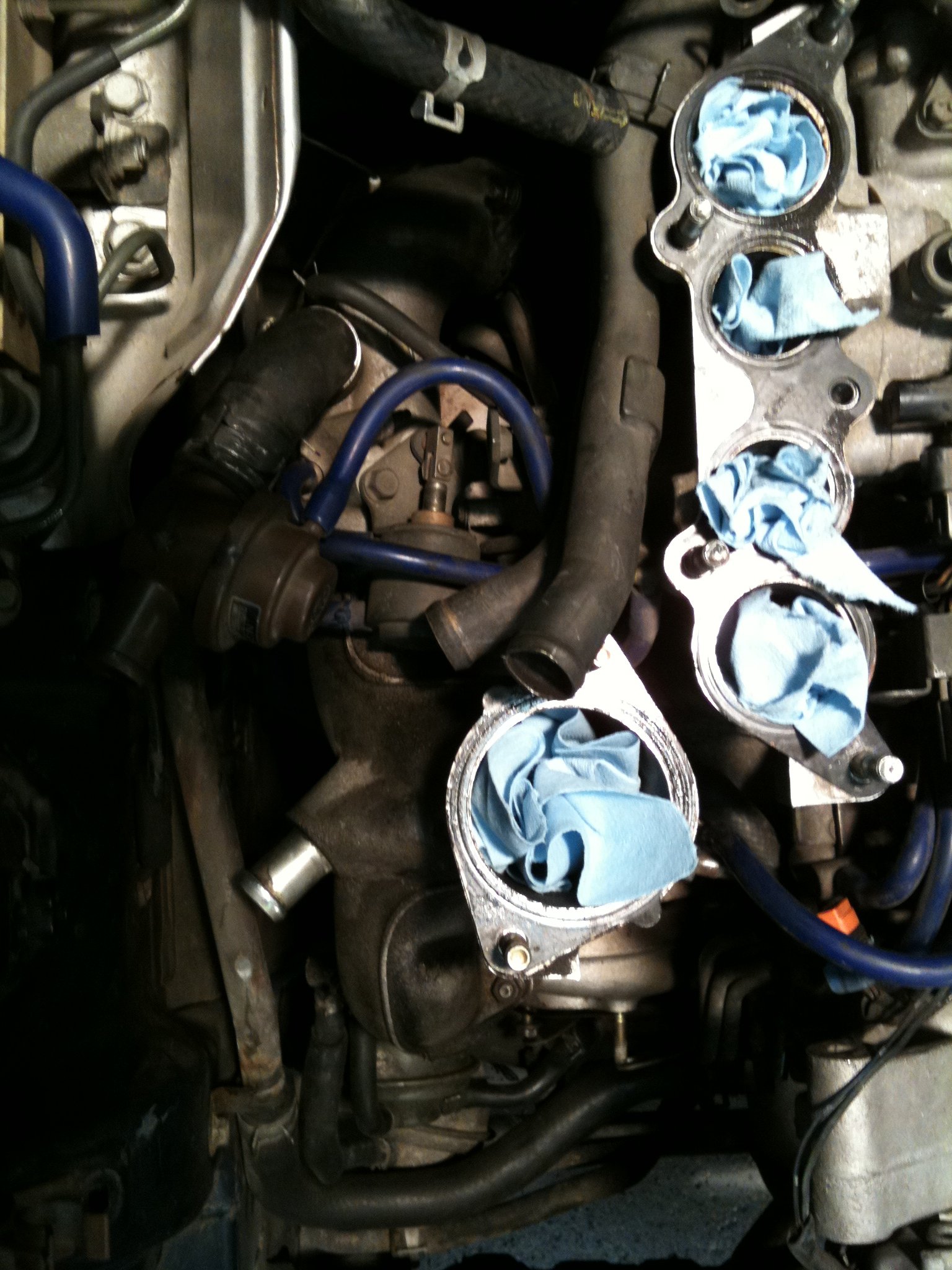
A street port retains more of the cast bridge or transition while smoothing the port and shortening its path into the chamber. This preserves swirl and reversion control. A full bridge port removes more obstruction, often opening the throat toward the rotor housing for stronger high-rpm flow.
Workshop names vary, so drawings matter more than labels. Compare port area, throat shape and final opening, and confirm 13B or 20B suitability. The factory reference information identifies original geometry and factory specifications.
| Feature | Street port | Full bridge port |
|---|---|---|
| Intake bridge | More material retained or carefully reshaped | More material removed for a wider passage |
| Low and midrange | Usually crisper response and broader torque | Often softer off-boost response as reversion falls away |
| High-rpm flow | Moderate improvement | Greater volumetric efficiency potential |
| Timing sensitivity | Retains familiar response but still needs calibration | More dependent on cam timing, boost and scavenging |
| Best suited to | Daily use and spirited driving | Dedicated performance and high-rpm use |
Airflow, torque and where the gains come from
The bridge helps generate intake reversion, which gives a rotary engine its direct throttle feel. Removing more may improve charge acceptance at speed but can weaken low-speed gas motion and torque. Peak airflow and the best street feel therefore do not always belong to the same head.
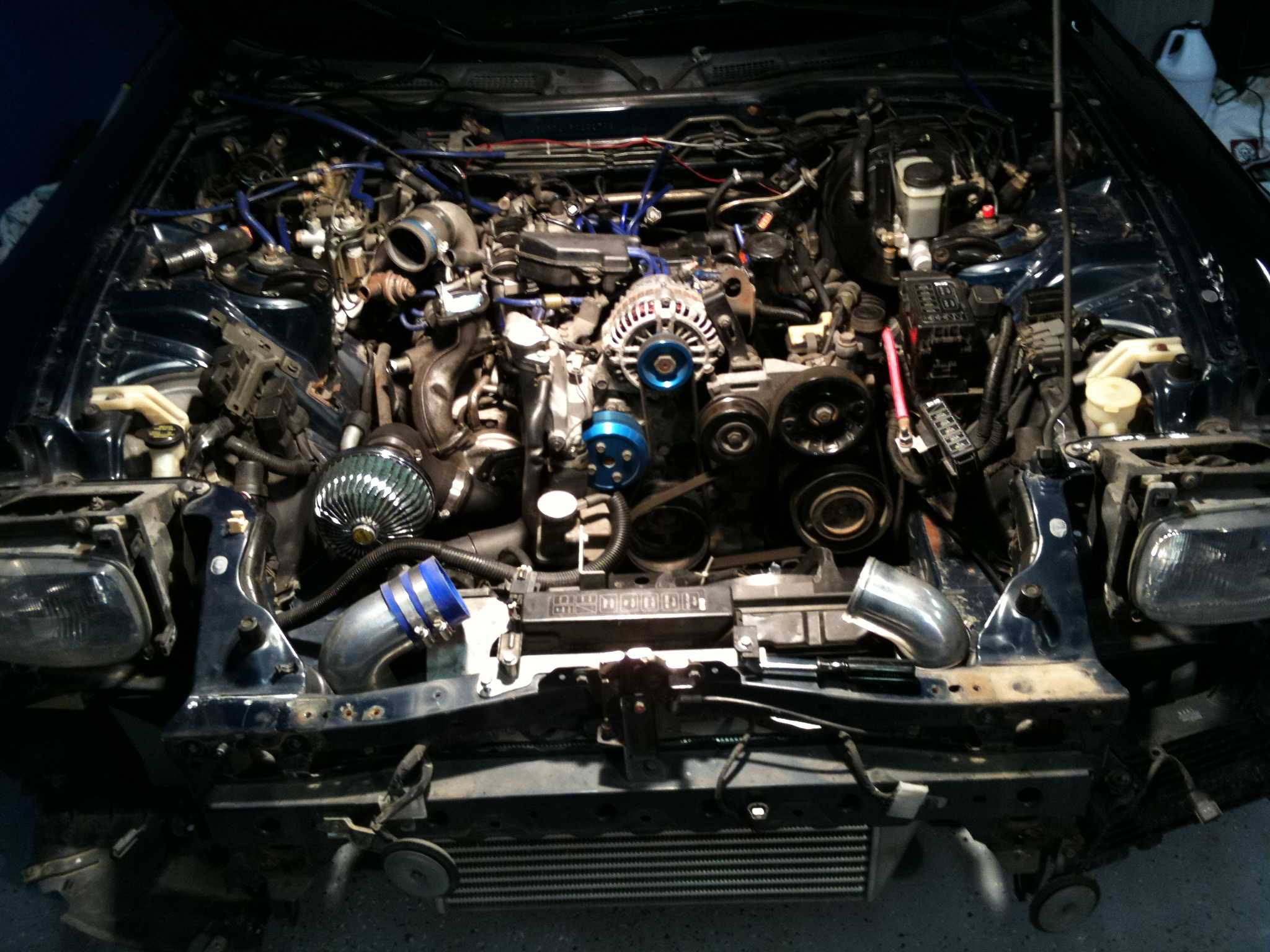
Supporting parts determine the result. Head flow still needs suitable cams, exhaust primaries, injectors and ECU control. A turbocharged 13B can remain exhaust or turbo limited, while a naturally aspirated 20B benefits from coherent intake, cam and exhaust matching. Porting is one part of the breathing system.
Why ignition timing must move with the port
Timing events can describe ignition commands, cam-controlled intake and exhaust events and effective intake-port timing around the rotor. They are related, but a freer passage does not by itself command more ignition advance. Cylinder pressure at a given load still depends on cam timing, boost and the complete induction system.
At higher engine speed, better scavenging may support more advance, while poor low-speed scavenging can leave residual exhaust that changes the ideal curve. Log knock and ignition-cut events, then judge timing across closed-loop fuel changes rather than adding advance simply because the port is freer.
Cam timing controls the events surrounding each ignition command, so crank and cam settings must be treated as one system. An Apex’i PowerFC can establish repeatable maps, but the final tune still needs local fuel, weather and a defensible knock threshold.
Street ports for usable daily RX-7s
A street-focused build should preserve the broad low- to mid-range torque that makes an RX-7 easy around traffic. A mild street port sharpens delivery while retaining intake turbulence. Cosmetic care also matters: restoring faded plastic trim guides SA22C and FC3S owners who want the cabin maintained rather than race-prepared.
Keep brakes, tyres and suspension suited to road use, and ensure the calibration is stable from a cold start in Australia’s left-hand-drive traffic. Check intake fasteners, fuel-system condition and ignition hardware before testing. Modified exhaust noise and emissions must meet the home state’s rules.
Full bridge ports for performance-focused builds
A full bridge port makes sense when high-rpm breathing, revised cams or a dedicated engine bay are already part of the project. It can suit a competition car or heavily modified road machine, but demands closer attention to off-boost calibration and heat management.
- Set the target first: sustained high-rpm flow, cornering speed or a specific power figure.
- Record a baseline cam, ignition and fuel calibration before opening the port.
- Match the turbo, exhaust, injectors and cooling to the increased airflow.
- Use logged knock data to rebuild timing rather than guessing an offset.
Compare the finished build with the original on the same dyno, fuel and boost. Keep the street version’s idle and response smooth while giving the performance version thermal margin for a hot track day.
Tuning for Australian roads and fuels
Tune for the fuel at the servo, not an overseas label. Australian pumps commonly offer 91, 95 or 98 RON, while E85 availability varies by region. A map validated on 98 RON may need correction on 91, and changing ethanol content can alter output and knock margin.
Weather and roads matter. Melbourne’s rapidly changing conditions can hide a narrow calibration, while Darwin or northern Queensland heat demands care with charge temperature, cooling and spark control. State rego, noise and emissions rules can limit what is legal on public roads.
Metric road data is another Australian detail: dyno sheets use km/h and consumption is quoted in litres per 100 kilometres. Club runs and an arvo at the local show expose drivability faults that a short dyno session misses. For cabin upgrades, fabric care guidance can help preserve trim against strong sunlight.
Ready the RX-7 for its next drive
Before the first road test, check the whole car, not only the dyno sheet. An FC3S owner can work through headlight pop-up servicing while checking seals and visibility; for an SA22C, inspect trim and latch condition. Save the baseline timing, boost and fuel values for comparison.
Choose a street port for responsive everyday use or a full bridge port for a dedicated high-rpm brief, then match the ECU, cam timing and fuel map to that decision. Download the factory documents, record every baseline value and take the finished RX-7 to a club drive with a calibration you can trust.