
Oil return line routing for a high-mounted turbo on the RX-7
A high-mounted turbo can improve exhaust manifold layout, wastegate access and engine-bay clearance, but its oil drain demands careful planning. Rotary engines already depend on consistent lubrication, and a poorly routed return hose can cause oil pooling in the turbocharger, smoking, seal leakage and unstable bearing temperatures.
The basic rule is simple: hot oil must leave the turbocharger by gravity, through a large and continuously descending passage, before reaching the sump. On an RX-7, the available space around the 13B or 20B, exhaust manifold and steering components makes the details especially important.
| Routing choice | Suitability | Main consideration |
|---|---|---|
| Short, straight gravity drain to sump | Best | Keeps restriction and oil residence time low |
| Long hose with a constant downhill fall | Acceptable | Requires secure support and heat protection |
| Hose with a low loop or dip | Poor | Creates an oil trap and encourages turbo smoking |
| Small-diameter return line | Poor | Restricts drainage at high oil temperature |
| Electric scavenge pump | Conditional | Useful only where gravity drainage is impossible |
| Return above the sump oil level | Essential | Prevents back-pressure and oil backup |
Why gravity drainage matters
A turbocharger oil return is not a pressurised feed circuit. The feed line supplies oil under engine pressure, while the drain relies on gravity to carry oil away from the centre housing. The return fitting should therefore be positioned at the lowest practical point on the turbo, with the hose falling continuously toward the engine.
The drain should generally be at least -10AN, with -12AN offering extra capacity on a large-frame turbo or a high-oil-flow installation. Internal diameter matters more than the fitting’s outside description. Avoid sharp bends, tight banjos and reducers that create a narrow passage near the turbo outlet.
A drain that rises after leaving the turbo can hold oil inside the centre housing. This may produce blue smoke after idling, smoke during boost, or oil leakage past the compressor and turbine seals. Those symptoms are often blamed on worn turbo seals when the real fault is poor return-line geometry.
Choosing a sump entry point
The return bung should enter the sump above the normal static oil level, with the opening angled to encourage flow into the pan. A high-side entry is usually preferable to a low-side fitting because it reduces the chance of oil backing up into the drain hose during hard acceleration, braking or cornering.
On an RX-7 used for track days, check the position against the baffling and windage-control arrangement. A fitting that points directly into a baffle may restrict flow, while an entry too close to a rotating component can create clearance and vibration problems. Remove the sump before drilling, clean all swarf and verify the internal fitting cannot contact the pickup or pan.
The return should not be routed into a pressurised oil gallery or fitted into a location that sits below the oil level. A dry-sump system requires a different arrangement, usually returning to the tank or an appropriate scavenge stage rather than the wet sump.
Routing around the rotary engine
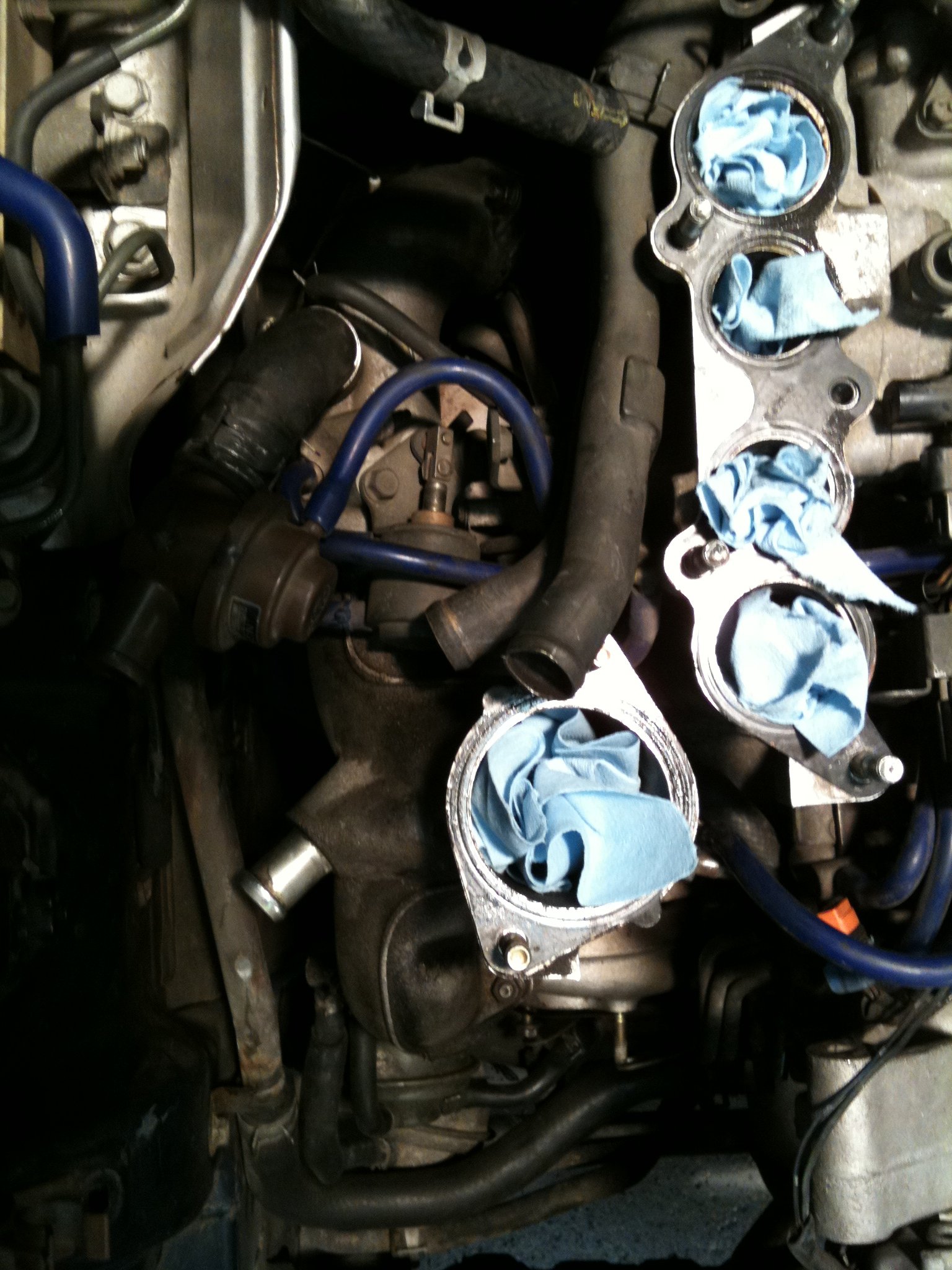
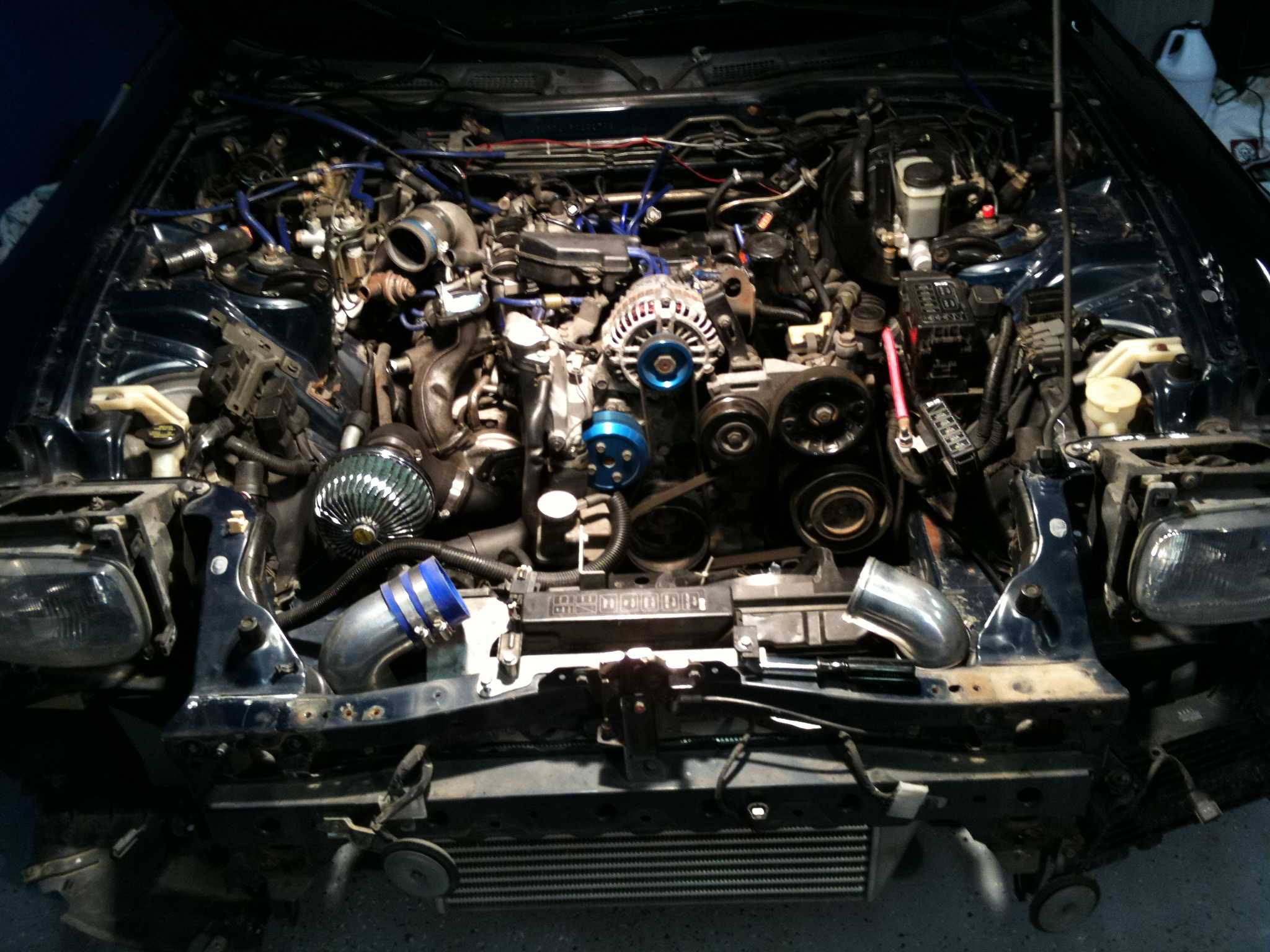
Keep the hose as short and direct as the engine bay allows. The high exhaust temperature of a turbocharged rotary makes heat shielding essential, especially near the turbine housing, downpipe and manifold runners. Use a quality high-temperature hose or rigid stainless tubing rated for hot engine oil, then secure it so vibration cannot rub it against the housing or chassis.
Allow enough flexibility for engine movement without creating a sag. A shallow, supported curve is acceptable; a deep U-shaped loop is not. P-clamps, stand-offs and fire-resistant sleeving help keep the line away from the steering shaft, front subframe and exhaust system.
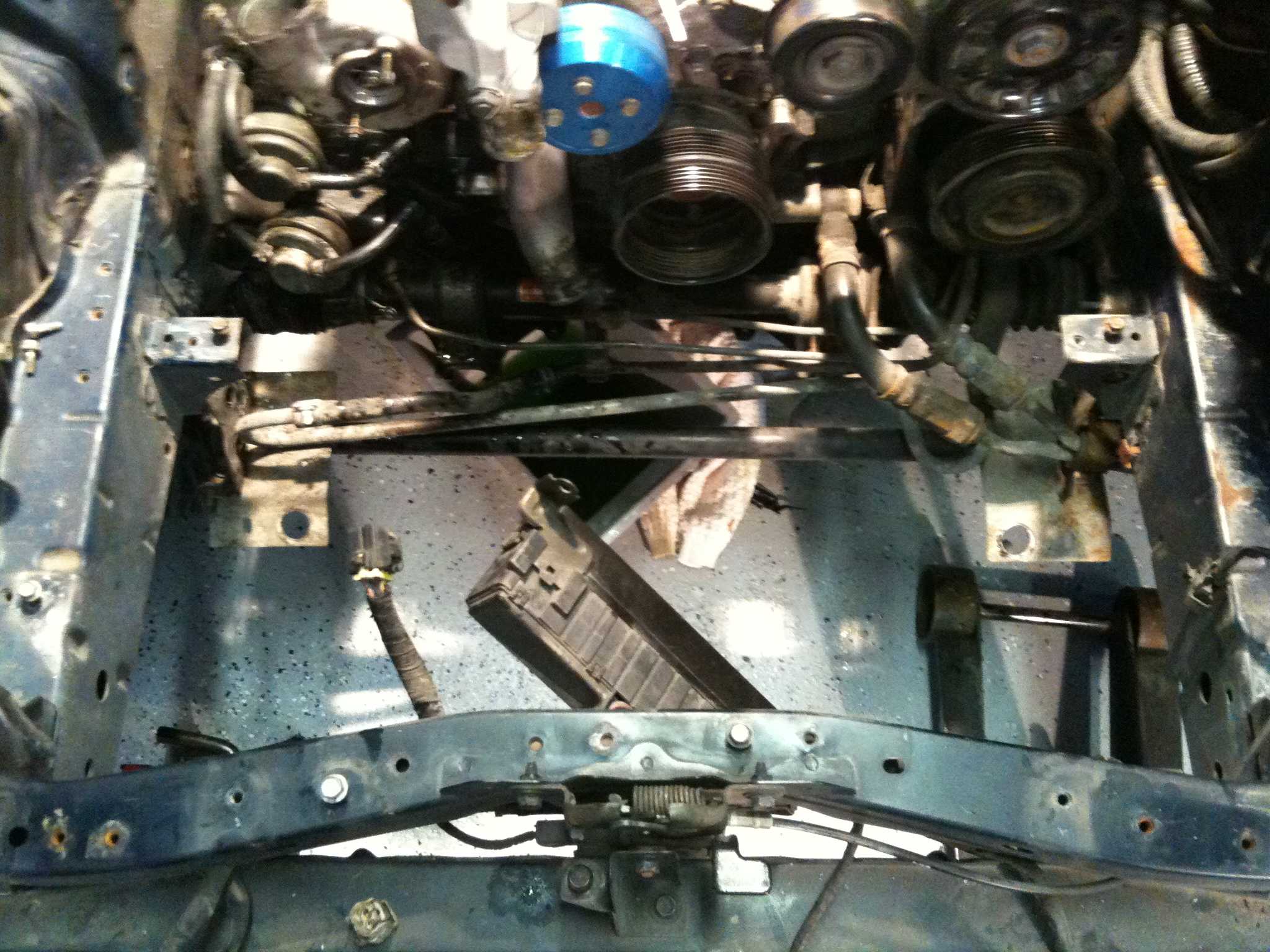
Space is particularly tight in FC and FD engine bays, where the steering position, intake pipework and downpipe can compete for the same route. Mock up the turbo, manifold and drain with the engine cold, then check access with the bonnet closed and the suspension at normal ride height.
Oil feed, restrictors and crankcase breathing
The return line cannot correct an unsuitable oil feed. Ball-bearing turbochargers may require a restrictor, while many journal-bearing units need a different feed volume. Follow the turbo manufacturer’s specification and measure pressure at the feed point rather than selecting a restrictor by guesswork.
The engine must also breathe effectively. A blocked or undersized crankcase ventilation system raises crankcase pressure and slows the turbo drain. On a modified 13B, inspect the breathers, catch-can plumbing and one-way valves, particularly if the engine has increased boost, larger ports or a different oil-injection arrangement.
For ECU calibration, oil smoke should be diagnosed alongside fuel, ignition and boost data. An RX-7 PowerFC guide can help place the drain problem in the wider context of rotary engine management, although no ECU adjustment can compensate for a restricted mechanical return.
Australian operating conditions
Australian heat makes drain-line protection more important. A car driven through western Sydney traffic, Brisbane humidity or Perth summer temperatures can spend longer heat-soaking after shutdown than a vehicle used in cooler conditions. Protect the hose from radiant heat and consider a turbo blanket that is compatible with the manifold and turbine housing.
Use oil suited to the engine, turbocharger and climate, and allow a sensible warm-up period before sustained boost. High-quality 98 RON petrol is widely available in Australian cities and is a common choice for turbo rotary tuning, but fuel quality and calibration still need to match the engine’s compression, porting and boost level.
Modification rules also vary between states and territories. A high-mounted turbo, altered exhaust, fuel-system changes and engine management may require engineering approval or inspection under local requirements in NSW, Victoria, Queensland or Western Australia. Confirm the applicable guidance before fabrication, especially if the car is road registered rather than track-only.
Inspection and troubleshooting
Before starting the engine, pour a small amount of clean oil into the turbo drain and confirm that it exits freely into the sump. Check that the hose falls continuously, cannot touch the exhaust, and remains clear when the engine rocks on its mounts. Prime the turbo with the correct feed oil before the first start.
After running, inspect for wet fittings, smoke and heat damage. Blue smoke after a long idle usually points toward poor drainage, excessive crankcase pressure or a turbocharger fault. Smoke only after a hard corner may indicate oil level, sump baffling or drain-entry placement rather than the turbo itself.
Keep photographs, measurements and part numbers with the build records. Factory manuals and rotary diagrams are valuable when checking sump clearances, oil-system details and original component locations; broader enthusiast resources such as rotary technical material can supplement that research when comparing fabrication approaches.
Good documentation also helps when discussing a build with an engineer, tuner or inspection authority. Enthusiast communities can reveal practical clearance solutions, while specialist discussions such as RX-7 build stories may provide useful context for how owners package turbo hardware in confined engine bays. Keep entertainment and anecdotal advice separate from measured clearances and manufacturer specifications; a media roundup such as podcast coverage belongs in the general research file, not as a substitute for oil-system verification.
Build the drain around gravity, generous internal diameter, continuous fall and proper heat protection. Before final welding, test the full route with the turbo, manifold, sump and exhaust installed, then record the finished configuration for future servicing. That careful preparation gives a high-mounted turbo on the RX-7 the best chance of remaining clean, reliable and legally usable on Australian roads.