
Radiator Placement And Cooling Performance On The FD3S
The Mazda RX-7 FD3S has a cooling system shaped by its compact engine bay, front-mounted intercooler options, twin oil coolers and the demanding heat load of a turbocharged 13B-REW. Moving the radiator from the factory side position to a top-mounted layout can improve airflow in some builds, but the result depends heavily on ducting, fans, sealing and engine-bay temperatures.
For Australian owners, the right choice also depends on climate, traffic and compliance. A car that survives a Sydney freeway pull may struggle in Brisbane summer traffic, while a modified FD3S in Victoria or New South Wales must still satisfy local registration and engineering requirements.
| Cooling layout | Main advantage | Main limitation | Best suited to |
|---|---|---|---|
| Factory-style side radiator | Familiar packaging and balanced airflow | Restricted space and difficult servicing | Street cars and mild track builds |
| Upgraded side radiator | Better core capacity without major relocation | Requires careful ducting and wheel-arch airflow | Fast road cars and dual-purpose FDs |
| Top-mounted radiator | Large direct airflow potential and simpler front packaging | Heat soak, bonnet clearance and ducting complexity | Purpose-built track and competition cars |
| V-mount or angled top layout | Separates radiator and intercooler airflow efficiently | High fabrication and setup demands | High-power turbo rotary builds |
How the factory side layout works
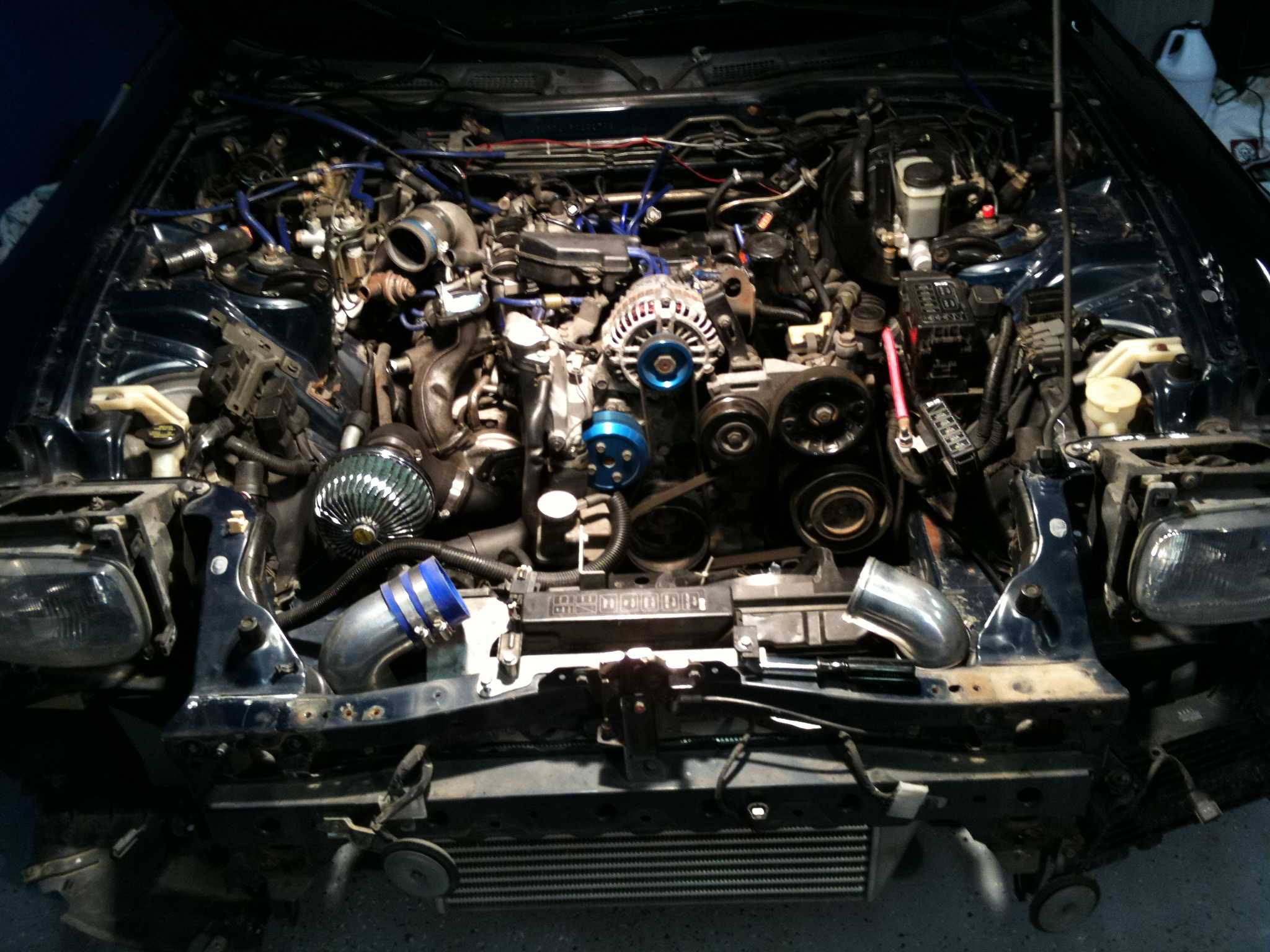
The FD3S places its main coolant radiators in the front corners rather than directly across the nose. This arrangement leaves room for the intercooler and uses ducting through the bumper and wheel-arch areas. The layout can work very well when the shrouds, seals and undertrays are intact.
Side-mounted radiators also keep hot coolant lines relatively close to the engine, reducing the length of the plumbing compared with a rear-mounted system. The trade-off is that airflow can be compromised by blocked ducts, damaged liners, aftermarket bumper openings or debris around the wheel arches. Factory specifications and cooling-system diagrams are easier to verify through the OEM information section before changing the layout.
What a top-mounted radiator changes
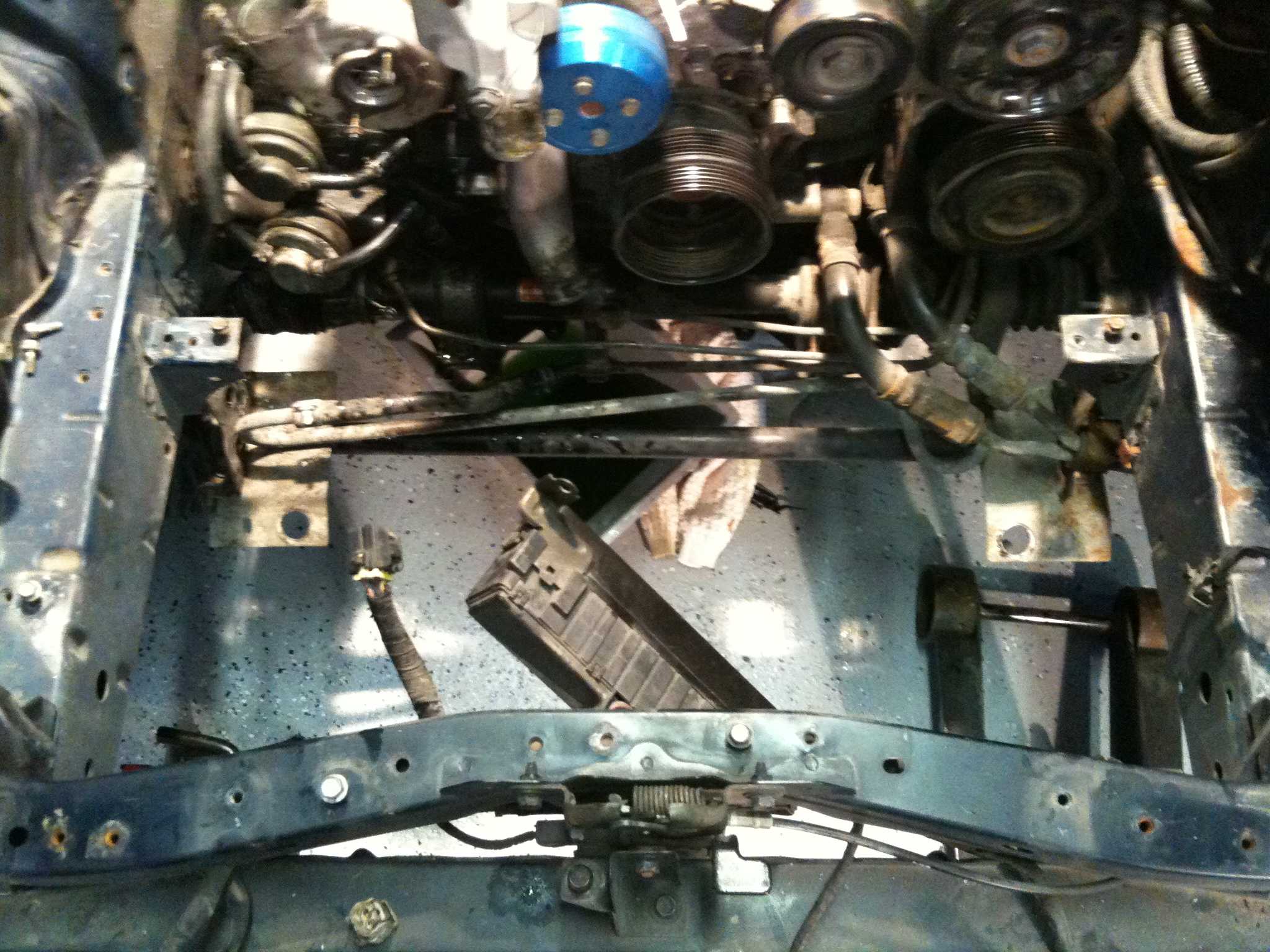
A top radiator places the core above or forward of the engine, usually with a custom bonnet duct or raised bonnet exit. Its greatest advantage is the opportunity to present the radiator to a strong, controlled stream of air. On a track car with a sealed duct, this can produce excellent coolant temperature stability at speed.
The position also creates room for a broad radiator core and can simplify access to hoses and fittings. However, the radiator now sits in a hot engine compartment. Without a properly sealed duct and a clear exit path, air may pass around the core instead of through it. A top-mounted design can then look effective while performing poorly during slow traffic or repeated boost runs.
Airflow matters more than core size
A larger aluminium radiator does not automatically provide better cooling. Air must enter the core, pass through it, and leave the engine bay without meeting excessive back pressure. A sealed shroud around the fans and radiator is often more valuable than simply adding thickness or extra rows.
For a side radiator FD3S, inspect bumper ducting, wheel-arch liners, radiator seals and the lower undertray. For a top layout, check the bonnet vent position, duct angle and hot-air extraction. Cooling air should not be allowed to circulate back towards the intake or radiator inlet. These principles are especially important when learning the fundamentals covered in rotary basics.
Street driving in Australian conditions
Australian traffic can expose weaknesses that short dyno pulls miss. Sydney and Melbourne commuters may spend long periods idling with limited vehicle speed, while Brisbane, Perth and Darwin can combine high ambient temperatures with heavy air-conditioning use. At low speed, electric fan performance, shroud design and condenser clearance become more important than forward motion.
A street FD3S also needs predictable behaviour after heat soak. A top radiator may shed heat rapidly on a circuit yet struggle after parking outside a workshop or supermarket. A well-designed side radiator can be the calmer street solution, particularly when the car retains air conditioning and factory-style bumper ducting.
Track performance and heat rejection
On a circuit, the priority is sustained heat rejection rather than a brief low-temperature reading. Repeated laps raise coolant temperature, oil temperature and intake-air temperature together. A top or V-mount system can separate the radiator and intercooler airflow, reducing the chance that one heat exchanger receives pre-heated air from another.
The side-mounted arrangement remains viable for track use when upgraded with efficient cores, high-quality fans and proper duct sealing. It can also make repairs easier because the layout is familiar to rotary specialists. Drivers attending Queensland Raceway, Sydney Motorsport Park or Wakefield Park should monitor coolant temperature, oil temperature and pressure during full sessions rather than relying on a single gauge reading.
Plumbing, fans and electrical load
Long coolant pipes in a relocated system add volume, joints and potential failure points. Every extra connection should be supported and protected from exhaust heat. The system also needs a reliable bleed strategy because trapped air can create local hot spots around the 13B-REW housing and turbocharger circuit.
Electric fans must move air through the core, not simply spin at high speed. Use suitable relays, fuses and wiring, with fan control based on coolant temperature and air-conditioning demand. General principles of protecting vehicle charging circuits are relevant when reviewing charging safety guidance, even though the linked material concerns USB-C equipment rather than an RX-7 cooling system.
Fitment, legality and daily practicality
A top-mounted radiator may require bonnet modification, a vent, altered crash-structure clearance or changes to the front support panel. In Australia, those changes can affect inspection and registration requirements. Rules vary between states and territories, so an owner in NSW, Victoria, Queensland or Western Australia should discuss significant structural or engine-bay modifications with the relevant authority or an approved engineer before fabrication.
The local used market also affects the decision. Clean original FD3S examples are increasingly valuable, and irreversible cutting can reduce appeal even when the conversion improves track performance. Owners who transport wheels, tools and spare coolant in a ute can review broader ute setup ideas for practical storage, while a street RX-7 may benefit more from retaining factory panels and investing in better ducting.
Choosing the right configuration
A healthy factory-style side system is usually adequate for a standard or lightly modified FD3S. An upgraded side radiator is a sensible middle ground for Australian road cars, especially when the owner wants air conditioning, factory appearance and straightforward servicing. The installation should include new seals, clean fins, secure hoses and confirmation that both fans operate correctly.
A top radiator becomes more compelling as power, track time and intercooler demands increase. It needs a complete airflow strategy rather than a core mounted above the engine with an improvised bonnet opening. Before committing, compare measured coolant and oil temperatures, consider the car’s registration status, and document the build using reliable rotary tuning resources. Careful design will outperform fashionable placement.
Choose the layout that matches the car’s real use, then validate it with temperature data in traffic and under sustained load. Factory references, service information and rotary-specific technical material available through TurboRX7 can help guide the inspection, fabrication and tuning process before the first hot Australian track day.