
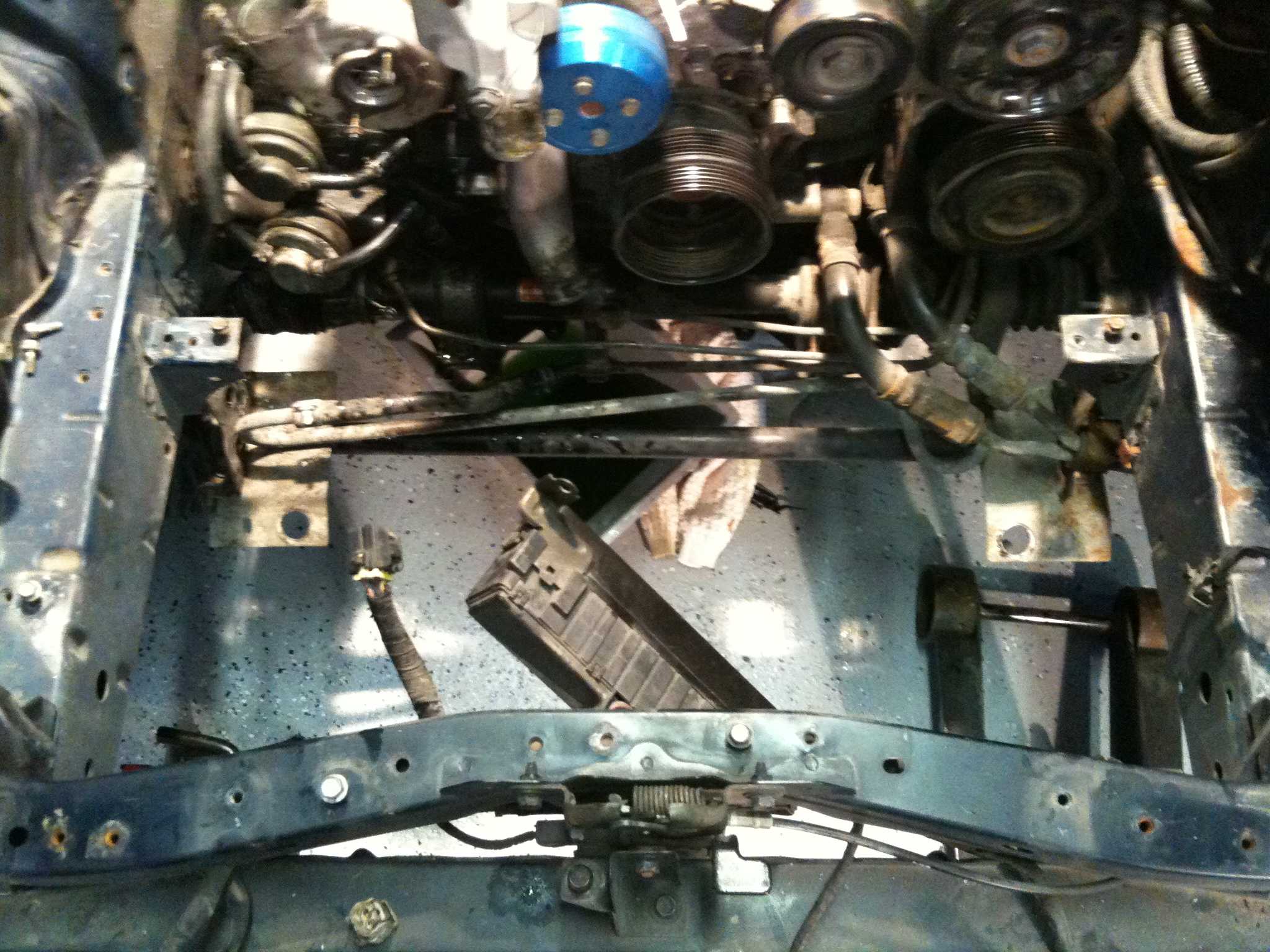
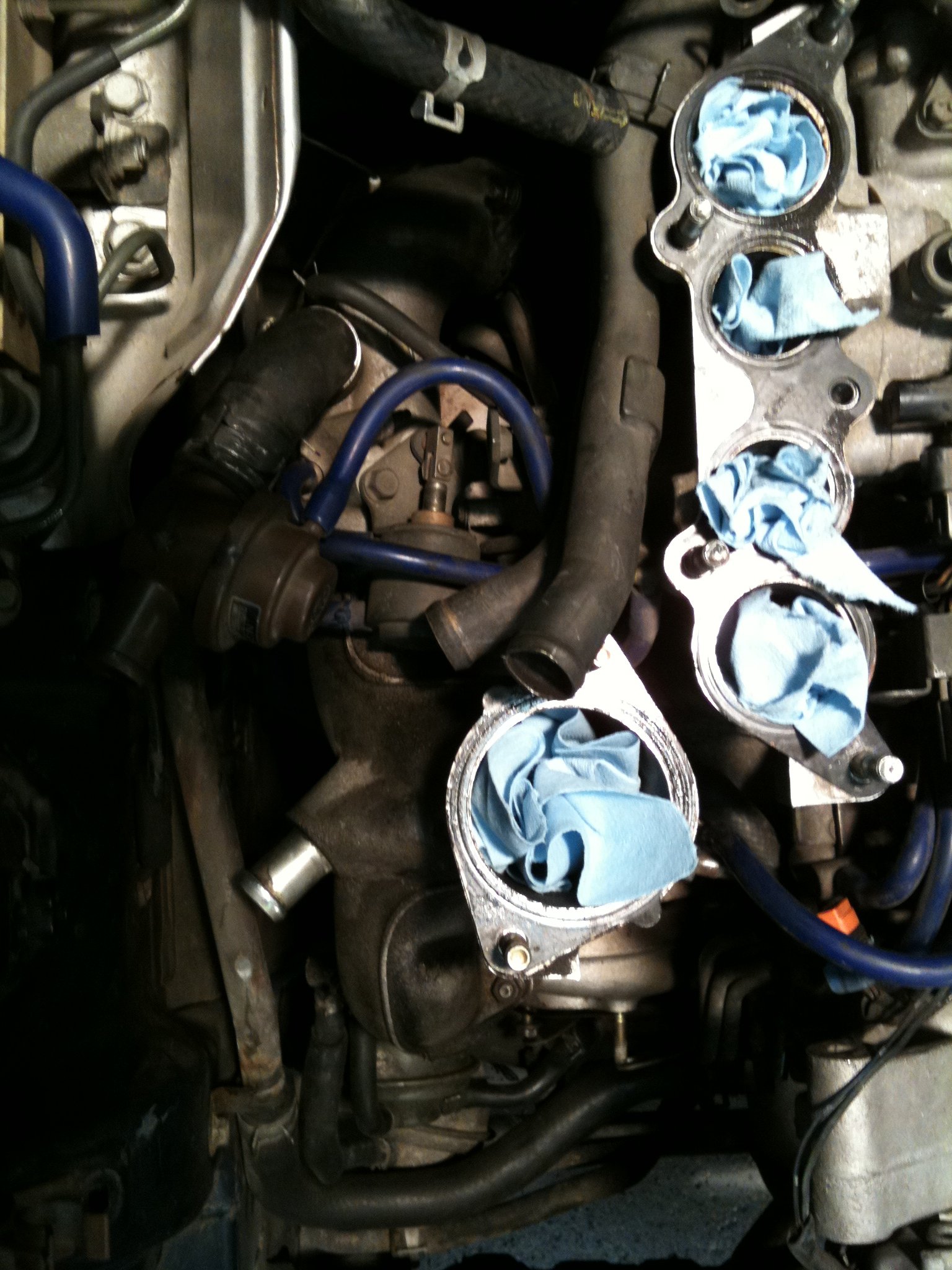
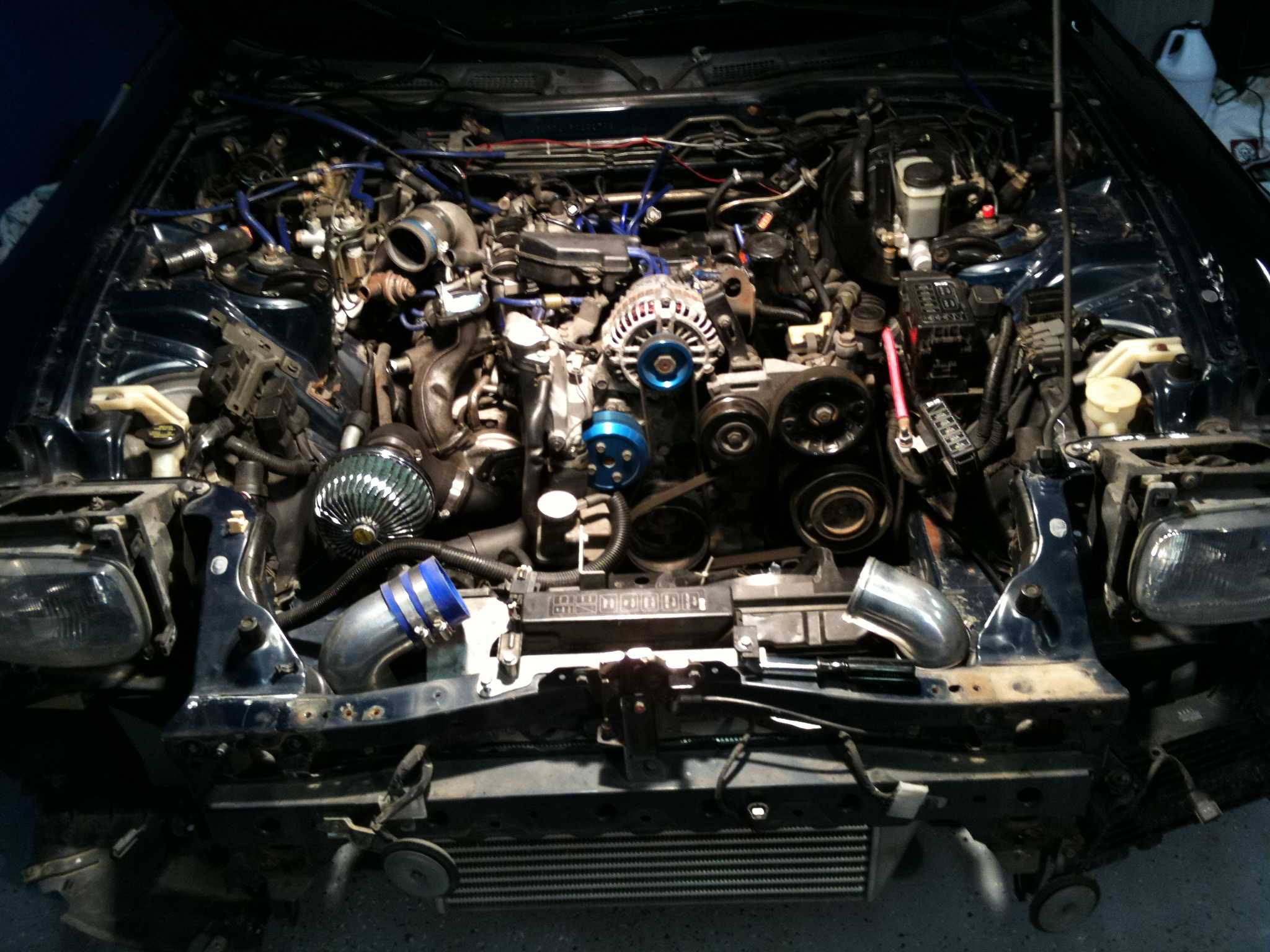
Turbine housings and A/R ratios for the 13B
Turbocharging a 13B is often discussed as a search for more boost, but the turbine housing determines how efficiently the engine’s exhaust can drive the turbo. Its geometry helps set spool, backpressure and high-rpm flow. Treating A/R as a simple size number misses much of the story.
For Australian RX-7 owners, that matters because a fast road car, a long-distance cruiser and a track car rarely need identical hardware. The useful question is which turbine and compressor combination supports the intended power band, fuel system and operating environment, rather than which badge carries the largest A/R.
What A/R actually measures
An A/R value combines two dimensions of a volute housing. A is the cross-sectional area at the manufacturer’s reference point; R is the radius from the wheel centreline to that point. Dividing area by radius gives a dimensionless ratio that identifies housing geometry, not the capacity of the whole turbocharger.
Within one manufacturer’s range, smaller numbers usually indicate a tighter housing and larger numbers more flow area. Comparisons are not universal: a 0.64 housing from one brand cannot be matched directly with a 0.64 housing from another without checking its turbine wheel, inducer, exducer and shroud.
The number belongs to a housing family, not the entire turbo. A large compressor wheel in a compact housing may flow well yet respond differently from a small wheel in a larger one.
Turbine and compressor sides work differently
The turbine housing is on the exhaust side, where hot gas enters the turbine and exits through the outlet. Within one wheel family, a smaller turbine A/R can raise exhaust velocity and accelerate the wheel, producing earlier boost. Beyond its flow capacity, backpressure and exhaust heat rise, forcing the engine to work harder.
The compressor housing shapes the inlet into the compressor wheel. Its A/R influences surge and choke behaviour with wheel geometry and speed, while maximum flow also depends on inducer and exducer design. The two housing ratios describe separate jobs and are never interchangeable.
How housing choice changes 13B behaviour
The 13B’s regular exhaust-pulse cadence can make a responsive turbine feel lively, but it cannot overcome an undersized passage. A compact turbine housing may spool at low rpm; at high rpm, the same housing can become restrictive, raising exhaust manifold pressure and disturbing the engine’s breathing.
A larger turbine housing may reduce pumping loss and support high-rpm power, but its rotor can take longer to reach useful speed behind a restrictive inlet. The result is often narrower power delivery rather than more torque everywhere.
For a street 13B, compare spool threshold, backpressure and the compressor’s usable map, not just peak horsepower. A mid-sized housing that keeps the exhaust side efficient while allowing the compressor to remain in its operating range often suits broad road use better than the largest available turbine.
Matching hardware to the build
Begin with a target: broad road response, sustained high-rpm power or a specific power figure. List cam timing, porting, manifold and downpipe size, injectors, intercooling, fuel quality and expected rpm. A housing suited to a lightly modified 13B can be wrong once breathing changes, exhaust flow rises and fuel pressure becomes marginal.
Factory information gives a baseline, but compare the complete proposed system. A T3- or T4-family shell on a 13B may contain a different cartridge, and one external housing may suit several turbine wheels. Compare flow charts, flange dimensions, cartridge references and exhaust restrictions rather than trusting the casting.
Australian use makes the target more specific. Runs between Melbourne and regional Victoria favour repeatable street calibration, while a day at Calder, Lakeside or Eastern Creek asks for consistent power over repeated laps. A local dyno session can compare before-and-after results in kPa, °C and corrected power.
Installation changes the effective housing
The correct housing can behave differently after installation. A reducer at the turbine inlet, a tight downpipe bend, a poor wastegate flange or an unsmoothed transition alters gas velocity. Every elbow adds restriction, while a leak ahead of the turbine wastes pressure and makes boost control inconsistent.
Gasket surfaces must seal, clamps must hold, and the wastegate must match the cartridge rather than the housing label. Record the turbine flange, inlet and outlet dimensions and wastegate ports before ordering. Local turbo specialists and wreckers can often source parts that fit an existing installation more safely than a universal substitute.
For the left-hand-drive cars common in Australia, check clearance from the steering column, coolant hoses, throttle cable and battery. Leave enough room for a panelbeater to remove a damaged radiator or engine without dismantling the finished work. Shield hot exhaust parts carefully.
Boost, fuelling and engine management
Changing the turbine alters exhaust pressure, boost response and fuel demand. Raising boost without correcting fuelling and ignition can lean the mixture, increase knock and raise exhaust temperatures. Verify injectors, fuel pressure, pump capacity, intercooler charge temperature and ignition at the same time.
Many Australian service stations sell E10, though availability varies by region and grade. Check the pump label. Ethanol’s lower energy content and charge-cooling effect can require revised fuelling and ignition maps, making a tune developed on straight unleaded unsuitable.
For an aftermarket 13B ECU, housing choice is part of the calibration, not an accessory added afterwards. The PowerFC tuning guide explains the wider workflow. Baseline logs should capture requested versus delivered boost, air-fuel ratio, ignition timing, coolant temperature and knock events.
Building and validating the setup
Make one change at a time where practical. Record the existing turbine, compressor, downpipe and engine-management setup, then compare pressure traces and temperatures before and after the housing change. The same A/R on a different turbine wheel, or the same housing behind a different downpipe, can produce a different result.
Use the comparison to set the final target. For a daily road RX-7, prioritise low-speed torque, stable idle and repeatable boost. For a track car, prioritise sustained flow, temperature control and recovery between corners. Keep the compressor away from surge during spool and choke at the intended power ceiling.
Before parts are ordered, grab the VIN-specific factory manual, record a baseline on the current setup, and select the turbine and compressor as a matched system. Download the relevant documentation and establish those baseline figures before committing to a housing.