
RX-7 Overheating: Common Causes and How to Diagnose Them
An RX-7 cooling system has little tolerance for neglected maintenance. A blocked radiator, weak water pump, failing thermostat or trapped air can quickly turn a minor temperature rise into warped housings, damaged seals or a complete engine rebuild. Rotary engines also produce substantial heat around the exhaust side, making correct coolant flow and airflow especially important. Learn more about Intercooler Sizing For Rotary Turbo Builds Core Volume And Flow.
Overheating does not always begin with a dramatic temperature gauge reading. You may notice coolant loss, a sweet smell, bubbling in the overflow bottle, hard radiator hoses after a cold start, poor cabin heating or an electric fan that never switches on. Finding the pattern early is much cheaper than continuing to drive until the engine suffers internal damage.
Australian conditions make diagnosis especially relevant. Stop-start traffic in Sydney or Melbourne, long summer runs through Brisbane, and high ambient temperatures in inland areas place extra demand on the radiator and fans. A car that behaves normally on a cool morning may overheat when idling in traffic with the air conditioner operating.
Read The Symptoms Before Replacing Parts
The temperature gauge should be treated as a warning rather than a precise measurement. Many factory gauges remain near the centre across a broad range, then move rapidly when the coolant temperature becomes dangerous. If the needle rises above its normal position, switch off the air conditioner, reduce engine load and stop safely as soon as possible.
Look for clues that distinguish coolant circulation problems from airflow problems. Overheating mainly at low speed often points towards an electric fan, fan relay, shroud or blocked radiator. Rising temperature during highway driving can indicate restricted coolant flow, a damaged radiator core, lean tuning or insufficient heat rejection. Coolant disappearing without an obvious puddle raises concern about a leak, overflow problem or internal combustion-gas intrusion.
Never remove a radiator cap from a hot engine. Scalding coolant can cause serious injury, and the cooling system may remain pressurised after the engine is switched off. Keep diagnosis separate from unrelated online remedies, including general health information, and use proper automotive safety procedures, protective gloves and a cool engine.
Check Coolant Level, Leaks And Air Pockets
Begin with a cold engine on level ground. Inspect the radiator, expansion or recovery bottle, hoses, clamps, thermostat housing, water pump area and heater connections. Dried coolant often leaves white, green, pink or crusty deposits, while a damp belt or staining near the water pump can indicate a seal failure. Do not rely on the overflow bottle alone; a radiator that is low may still leave the bottle looking full.
Pressure-testing the system is one of the most useful checks. It can reveal small leaks that only appear when the engine is hot, including cracked plastic tanks and leaking hose joints. A cooling-system pressure tester should be used at the manufacturer’s specified pressure, since excessive pressure can create damage rather than identify it.
Air trapped in the system can prevent coolant from reaching parts of the engine and may cause unstable temperature readings. Follow the correct bleeding procedure for the specific RX-7 generation, with the heater circuit and bleed points considered where applicable. Gurgling, fluctuating cabin heat and repeated coolant level changes are strong signs that air remains or combustion gases are entering the system.
Inspect The Radiator, Fans And Water Pump
Radiators lose efficiency through blocked fins, internal corrosion and restricted tubes. External blockage from insects, leaves and road debris is common after country driving, while mud can obstruct airflow behind the grille. Carefully clean the fins with low-pressure water from the engine side outward; high-pressure spray can bend delicate fins and reduce airflow.
Confirm that each electric fan operates at the correct temperature and responds to air-conditioning demand where designed. Check fuses, relays, wiring, fan motors and the temperature switch or sensor. A fan that spins slowly may appear functional during a quick test but fail to move enough air when the car is stationary in a queue on a 40-degree day.
The water pump must circulate coolant under load, not merely avoid making noise. A worn impeller, damaged drive belt, loose bearing or internal corrosion can reduce flow. Inspect belt condition and tension, and compare the coolant temperature at different points of the system with an infrared thermometer. Temperature differences can help identify poor circulation, although readings should be interpreted alongside the workshop manual.
Consider Rotary-Specific Heat Sources
A 13B or 20B can run hot when ignition timing, fuel delivery or air-fuel ratios are incorrect. Detonation, a lean mixture and excessive exhaust gas temperature can damage components quickly. Modified turbo engines need particular attention to boost control, intercooler efficiency, exhaust back pressure and engine-management calibration.
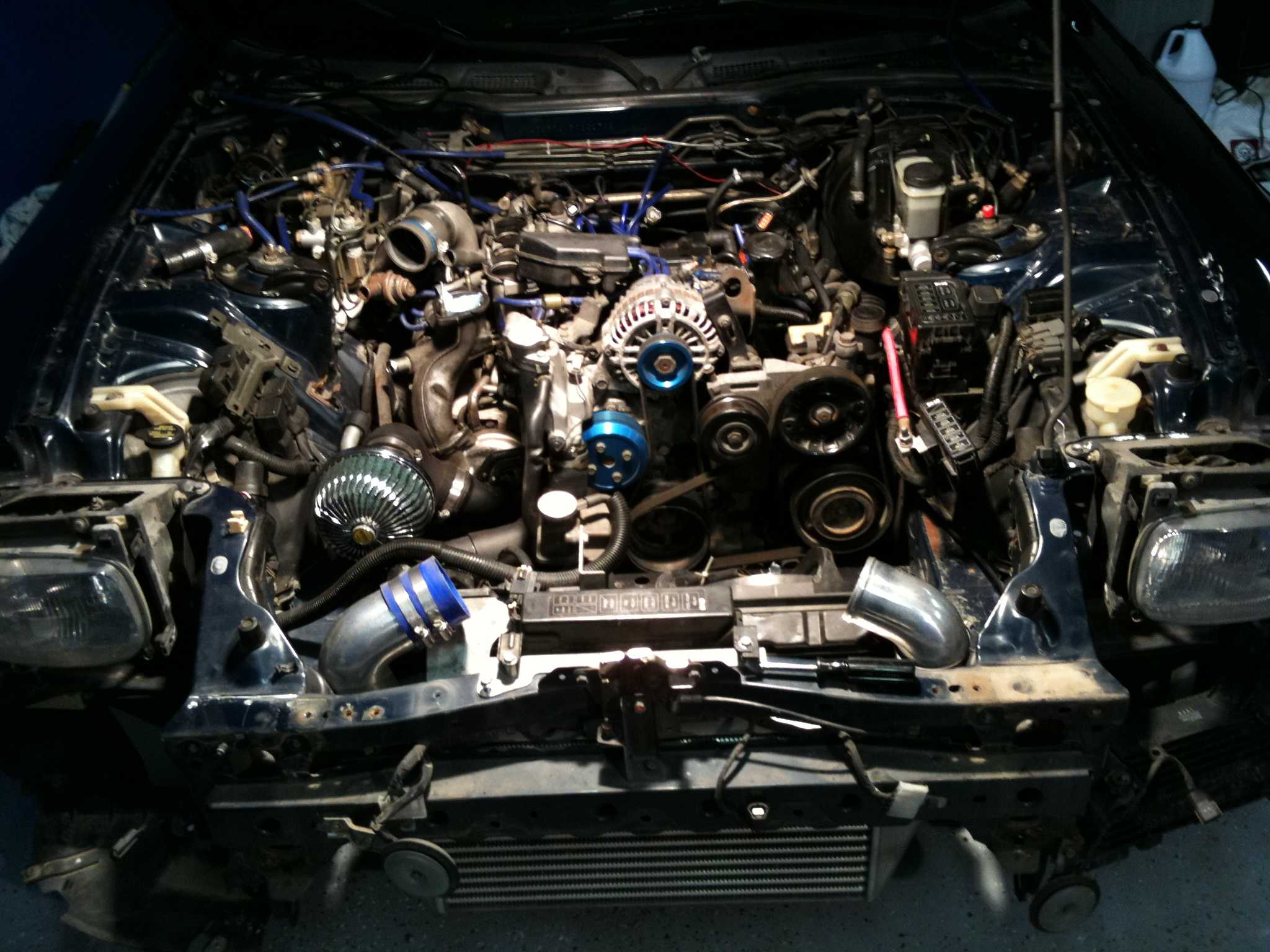
Porting, larger injectors and aftermarket turbochargers alter the engine’s thermal load. An intercooler that is too small may increase intake temperature, while an oversized or poorly ducted unit can restrict airflow to the radiator. The principles explained in this guide to intercooler sizing are useful when assessing the complete front-end airflow path rather than judging the intercooler in isolation.
Check ignition leads, coils, sensors and ECU data if the engine runs poorly as it warms. A misfire can raise exhaust temperatures and make a cooling fault appear worse. Cars using an Apex’i PowerFC or another programmable ECU should be checked for appropriate coolant-temperature enrichment, fan-control settings, ignition maps and warning thresholds.
Use A Logical Diagnostic Sequence
Start with the simplest evidence: coolant level, visible leaks, belt condition, radiator airflow and fan operation. Then test the thermostat, pressure-test the system and verify circulation. Avoid replacing several components at once, because a successful repair becomes difficult to identify and an unresolved fault may be overlooked.
A combustion-gas test can help identify a failed coolant seal or another internal leak. Persistent bubbles, an unusually pressurised hose soon after cold start, white steam, contaminated oil or repeated coolant loss justify further testing. A leak-down test and compression test can provide additional information, though rotary compression testing requires equipment and procedures suitable for rotary chambers.
Record temperatures, ambient conditions and the point at which the problem occurs. Note whether it happens while idling, climbing hills, using the air conditioner or running boost. This record is valuable when comparing factory specifications with modified hardware and when explaining the fault to a rotary specialist.
Match Parts And Modifications To The Car
Radiator capacity, thermostat specification, fan shrouds and hose routing should suit the RX-7 chassis and engine combination. A larger radiator cannot compensate for poor ducting, a missing shroud or an incorrectly installed thermostat. Likewise, removing the thermostat is not a reliable cure; it may reduce temperature control and encourage uneven circulation.
Use factory documentation for torque values, coolant routing and electrical diagrams. TurboRX7’s OEM information can help owners compare original equipment details before diagnosing an aftermarket conversion. Factory service data is particularly important when a Series 4, Series 5 or FD has received parts from another model.
Australian owners should also consider local compliance requirements. Cooling modifications that alter engine, turbocharger or emissions equipment may affect registration or roadworthiness inspections, with rules varying between states and territories. Retain receipts, part numbers and engineering documentation, especially for vehicles driven regularly on public roads.
Compare Symptoms With Likely Faults
The following guide narrows the search, but it does not replace pressure testing or model-specific service information.
| Symptom or operating condition | Likely areas to inspect | Useful confirmation |
|---|---|---|
| Overheats while idling | Fans, relays, shroud, radiator airflow | Confirm fan speed and temperature activation |
| Overheats at highway speed | Restricted radiator, thermostat, water pump, lean tune | Compare inlet and outlet temperatures |
| Coolant level repeatedly drops | Hoses, radiator tanks, water pump, internal leak | Pressure test and inspect for combustion gases |
| Gauge fluctuates with cabin heat | Air pocket, low coolant, poor circulation | Bleed correctly and monitor coolant movement |
| Hard hose soon after cold start | Internal combustion leak | Combustion-gas test and leak-down testing |
| Runs hot under boost | Tuning, intercooler, exhaust restriction, radiator capacity | Log coolant, intake and exhaust-related data |
Use the vehicle’s identification details when checking documentation and parts. The RX-7 VIN can reveal generation and specification differences, so this VIN breakdown is useful before ordering a thermostat, sensor or radiator for an imported car.
Keep a written record of every test and repair, then retest the car under the conditions that originally caused the fault. A careful diagnosis protects the rotary engine, avoids unnecessary parts swapping and makes future maintenance far easier. Use the technical resources at TurboRX7 to verify factory specifications and build a cooling-system checklist suited to your RX-7.