
FD3S Electrical Essentials: Load Shedding and Relay Service
The third-generation RX-7 hides an unusually clever electrical network behind its simplified dashboard. Beneath the two-seat cabin and the rotary's appetite for combustion sits a relay-driven architecture that quietly decides which accessories live and which get sacrificed in the name of crank speed. For owners chasing performance, knowing the FD3S wiring logic is the difference between a clean cold-start on a damp Adelaide morning and a no-start that ruins a Sunday arvo.
Load shedding is the practice of temporarily disabling non-essential circuits so the alternator and battery can pour everything into spinning the rotor. The factory ECU in an FD3S does this through a handful of dedicated relays, and once owners start bolting on bigger turbos, larger intercoolers, and supplementary cooling fans, they often find themselves reinventing logic the engineers already designed for.
Why the FD3S sheds electrical load during startup
A cold 13B-REW needs a lot of cranking amps before the apex seals build oil film and the rotor housing reaches a steady scavenge. Mazda wired the FD3S so that during cranking the headlamp relays, the rear demister relay, and the air-conditioning compressor clutch are all opened by the body control module. The fuel pump gets its own prime cycle through a dedicated relay that briefly bypasses the load-shed signal to keep fuel pressure up while the engine turns.
Owners chasing a high-compression street setup often notice the symptom: flick the headlights on with the key turned, crank the motor, and watch the headlights blink off and on as relays drop out and re-engage. That is not a fault. It is the load shed timer doing its job, born from the same welding a turbo manifold-grade chassis electrical philosophy where robustness trumps convenience.
Locating the relay panels under the bonnet
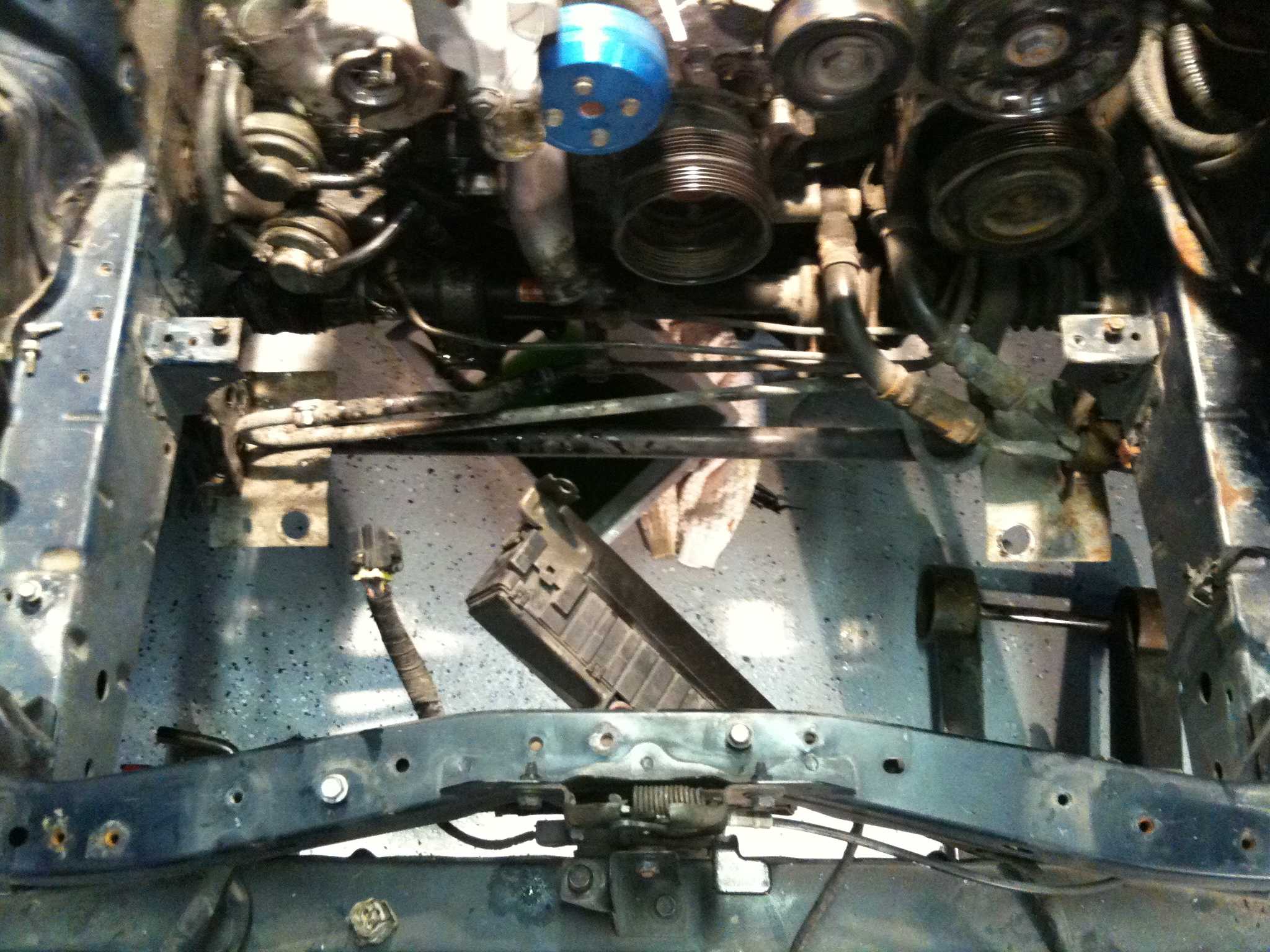
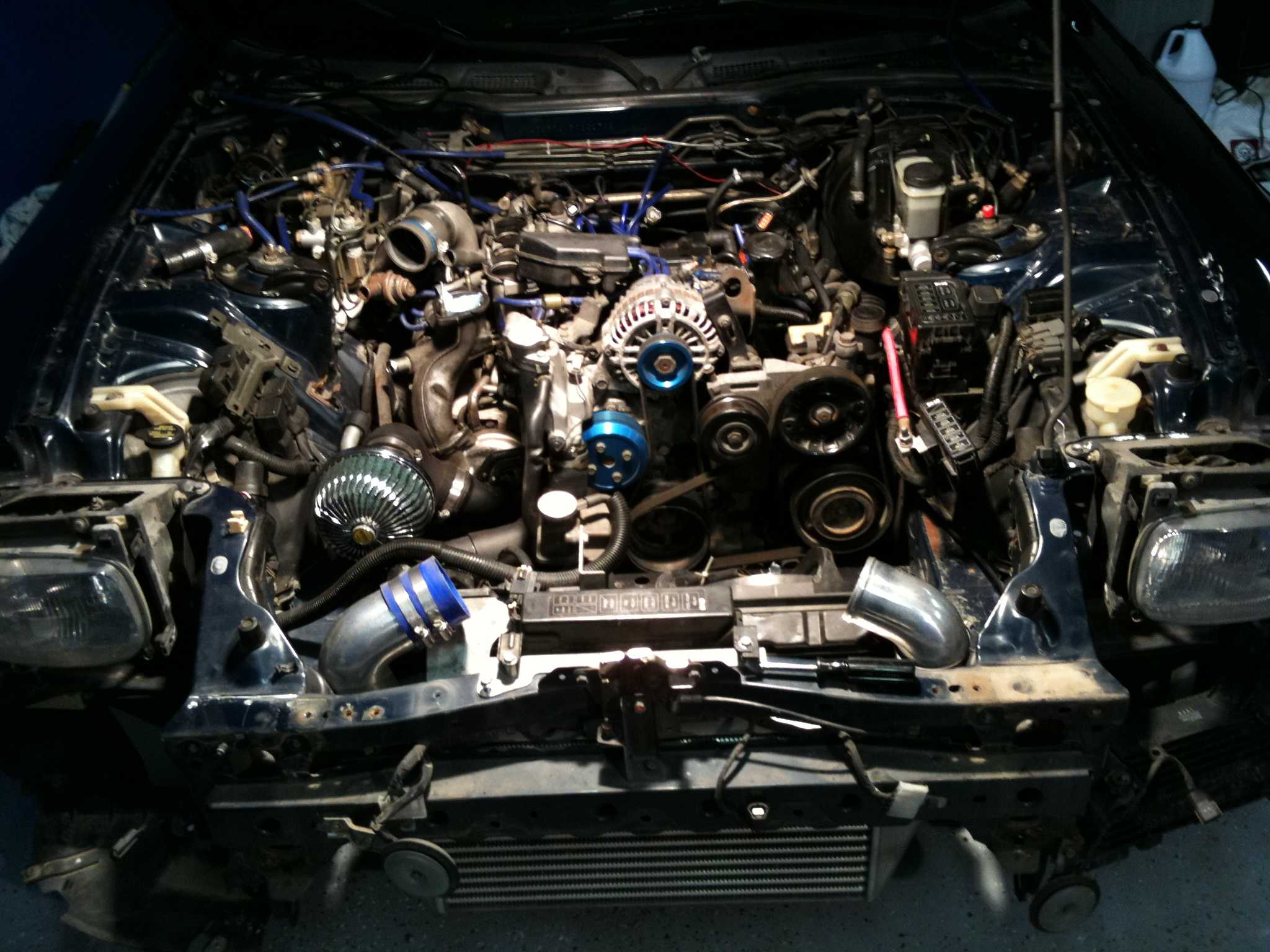
Open the bonnet of any FD3S and you will find two relay clusters: one in the driver footwell kick panel and a secondary box near the strut tower on LHD cars, mirrored to the passenger side on right-hand-drive deliveries. Many imported Series 4 and Series 5 RX-7s running around Brisbane and Sydney came through the auctions at Lloyds and were originally built in Japan for home consumption, which is why the relay layout sometimes differs from a delivered Australian-market FD.
The footwell box carries the headlamp, tail lamp, defogger, and blower relays, while the engine bay box hosts the fuel pump, main, cooling fan, and A/C compressor relays. Each relay is keyed so it cannot be pushed into the wrong socket, which is a small mercy when you are working by torch light in a suburban driveway at dusk.
Headlight relays and the notorious low-beam dropout
The FD3S headlight circuit uses a pair of relays that share the same trigger wire fed from the combination switch. Over time the contacts pit, and the high-current draw of a halogen low-beam slowly welds itself into a half-open state. Symptom-wise, owners describe flicking from high to low and watching one side stay on while the other cuts out, especially on bumpy roads out near Winton where the rotary community meets each year.
The fix is rarely as simple as swapping a globe. Most enthusiasts replace the factory relay with a higher-rated 30 or 40 amp automotive unit, or run a dedicated relay harness driven from a fused battery feed. Just make sure the trigger wire still sees a clean earth, otherwise the new relay will chatter every time you hit a cattle grid on the way out of a regional meet.
Cooling fan relays in the Aussie heat
Two cooling fans sit ahead of the radiator, and each gets its own relay triggered by the ECU once coolant temperature crosses thresholds. In Perth or Darwin summer traffic the fans will cycle every couple of minutes, which shortens relay life dramatically. Owners who push track days at Phillip Island usually upgrade to a solid-state relay or wire both fans through a single high-quality 70 amp unit fed directly from the battery through a fused link.
Checking for a tired fan relay is straightforward: listen for the click as the ECU grounds the trigger. If you hear nothing when the coolant gauge climbs past the first bar, suspect the relay before suspecting the fan motor. A bypass test with a short jumper wire from the relay socket pin to earth will confirm whether the ECU is asking for fans and the relay just isn't responding.
Diagnosing a sick relay without a multimeter
Spare relays that came in the original boot toolkit are worth more than gold to anyone restoring a Series 3. Swap a suspect unit with an identical neighbour and see if the problem follows the part. A relay you can hear click but cannot pass current usually has burned contacts, while a relay that refuses to click at all often points to a broken coil or a missing earth.
For owners who want to keep working diagnostics tidy, jumping over to reference material at ayudagplus can help confirm coil resistance values and contact ratings when the printed schematic in the workshop manual has faded beyond reading. Keep a notebook of measured coil resistance for each relay position so future troubleshooting takes minutes, not hours of tracing wires.
Spotting the usual suspects:
- Headlamp relays that drop one beam on rough roads
- Cooling fan relays that click but never spin the fan
- Fuel pump relay that hums but does not pressurise the rail
- Defogger relay that sticks closed and slowly drains the battery
When to rebuild, retrofit, or replace OEM relays
Genuine Mazda relays are still available through specialist importers, but a quality aftermarket unit from a trusted brand costs a fraction of the price and often handles higher sustained loads. Rebuilding the original relay by dressing the contacts with fine emery is acceptable as a stop-gap, though the plated surface rarely returns to factory spec, so most savvy owners treat rebuild as a get-home measure.
For modified builds, especially cars running larger fuel pumps, additional methanol injection pumps, or a turbo upgrade that demands an oil scavenge pump on its own circuit, dedicated relay blocks and fused distribution become mandatory. The factory box simply does not have spare positions for the kind of auxiliaries enthusiasts bolt on these days.
Upgrades commonly bundled with a relay refresh:
- Solid-state cooling fan relay rated to 70 A continuous duty
- Fused distribution block fed from a heavy-gauge battery cable
- Dedicated relay for upgraded fuel pumps or methanol injection
- Secondary earth strap welded to the chassis with a proper mount
Wiring upgrades for turbo, porting, and standalone ECUs
A ported 13B with a bigger turbocharger, an upgraded Apex'i PowerFC, and the supporting plumbing that follows from those choices puts far more electrical load on the harness than Mazda ever imagined. Smart owners run a secondary relay panel fed from the battery through a heavy-gauge cable, grounding it back to the chassis at a dedicated point near the engine block. This keeps voltage drop minimal and stops the cabin fusebox from becoming a patchwork of piggybacked fuses that will never pass an engineering inspection.
Pay particular attention to the earth strap between the engine and the gearbox, particularly on cars that have been resprayed or had their under-bonnet area detailed. A poor earth will mimic every relay fault in the book, and chasing relays endlessly while the actual problem is a corroded strap is a rite of passage nobody really wants. Before the next track day, owners should review apex seal wear intervals, since healthy oil pressure and a sound apex seal setup depend on every fuel and oil pump relay behaving exactly as designed.
| Relay | FD3S location | Typical fault | Quick field check |
|---|---|---|---|
| Headlamp low-beam | Driver footwell box | Pitted contacts, partial dropout | Swap with identical relay, watch for beam restore |
| Cooling fan (high) | Engine bay box | Open coil, no click on hot soak | Jumper trigger pin to earth, listen for fan spin |
| Fuel pump | Engine bay box | Burned contacts, weak prime | Listen for two-second prime with key on |
| A/C compressor | Engine bay box | Sticking closed, drains battery | Pull relay, confirm clutch disengages |
| Rear demister | Driver footwell box | Stuck contacts, slow drain | Time key-off current draw with multimeter |
Pull the workshop manual out of the glovebox before the next club meet and run through the relay layout with a torch and a fine screwdriver. Members of the RX-7 Club of Australia from Surfers to Hobart often host diagnostic mornings, so bring the car along, swap notes with other owners, and leave with clean earths, refreshed relays, and a wiring diagram that finally makes sense.