
Why RX-7 Engines Sputter in Hot Weather and How to Fix It
An RX-7 that runs cleanly on a cool morning can cough, hesitate or fall flat once the temperature climbs. Rotary engines are especially sensitive to heat because their compact housings, intake routing and ignition demands can turn a small fault into obvious drivability trouble. Learn more about Como Organizar Sua Coleção De Batons Por Cor E Textura.
In Australia, this often appears during a summer cruise through western Sydney, a traffic crawl in Brisbane humidity or a long run near Perth where the road temperature is brutal. The engine may start normally, then stumble after heat soak, particularly when pulling away from a servo with the air conditioning running.
“Sputtering” can describe several faults: fuel starvation, weak spark, vapour formation, excessive intake temperature, poor sensor readings or an overloaded cooling system. Finding the cause requires checking the conditions when the problem occurs rather than replacing random parts.
Heat Changes Rotary Engine Conditions
A rotary engine produces significant heat in a small package. The exhaust manifold and turbocharger, where fitted, sit close to intake and fuel-system components. After shutdown, coolant circulation stops while heat continues moving through the engine bay. This heat soak can make a restart rough even when the car drove perfectly beforehand.
High ambient temperature also reduces the density of intake air. The engine receives less oxygen for a given throttle opening, while the ECU still relies on sensor signals and programmed fuel corrections. A marginal air-temperature sensor, vacuum leak or incorrect tune can become much more noticeable in hot weather.
Check whether the fault happens only after idling, during acceleration, or at a steady cruising speed. A stumble after a hot restart points in a different direction from a hesitation that appears under boost.
Fuel Delivery and Vapour Formation
Fuel pressure must remain stable when the pump, lines and regulator are hot. A tired in-tank pump, blocked filter, restricted pickup sock or failing electrical connection may work when cool and lose output after a long drive. Measuring pressure during the fault is more useful than checking it only in the driveway.
Australian owners should also consider the fuel being used. E10 availability varies between regions and stations, and some modified RX-7s are less tolerant of fuel-quality variation or long storage. Use fuel appropriate for the compression, boost level and calibration, and avoid assuming that a higher octane label fixes a delivery problem.
A fuel-pressure gauge, fresh filter and inspection of tank ventilation can reveal a great deal. If the tank cannot admit air, a vacuum may form and restrict fuel flow, creating a lean stumble that feels like ignition failure.
Ignition and Plug Fouling
Heat exposes weak ignition components quickly. Cracked coils, aged leads, poor grounds and worn plugs can produce a spark that looks acceptable in a quick inspection but fails under cylinder pressure. Rotary engines also use leading and trailing ignition systems, so a partial failure may cause rough running without stopping the engine completely.
Remove and read the plugs after the fault occurs. Wet plugs may indicate flooding, while unusually pale electrodes can support a lean-condition diagnosis. Oil-fouled plugs can result from apex-seal wear, excessive oil metering, poor premix practice or an engine that has been repeatedly started and shut down before reaching operating temperature.
Keep spare plugs and the correct tools in the car if travelling remotely. A clean set may restore operation temporarily, but it should lead to diagnosis rather than masking the underlying issue.
Cooling and Airflow Checks
Begin with coolant level, radiator condition, cap integrity and fan operation. Blocked fins, bent air-conditioning condensers and missing ducting can reduce airflow even when the radiator looks acceptable. Electric fans should switch on at the intended temperature, and mechanical fan clutches should not freewheel excessively when hot.
A temperature gauge that remains near normal does not prove the whole engine is healthy. Localised hot spots, boiling after shutdown or coolant pushed into the overflow bottle can indicate a failing cap, trapped air or combustion-gas leakage. Never remove a radiator cap from a hot engine.
Inspect the intake tract for collapsed hoses, loose clamps and softened silicone sections. A leak after the airflow meter can create an unmetered-air condition, while a damaged intercooler hose can cause rich or lean behaviour depending on the system design.
Turbocharged Intake Heat
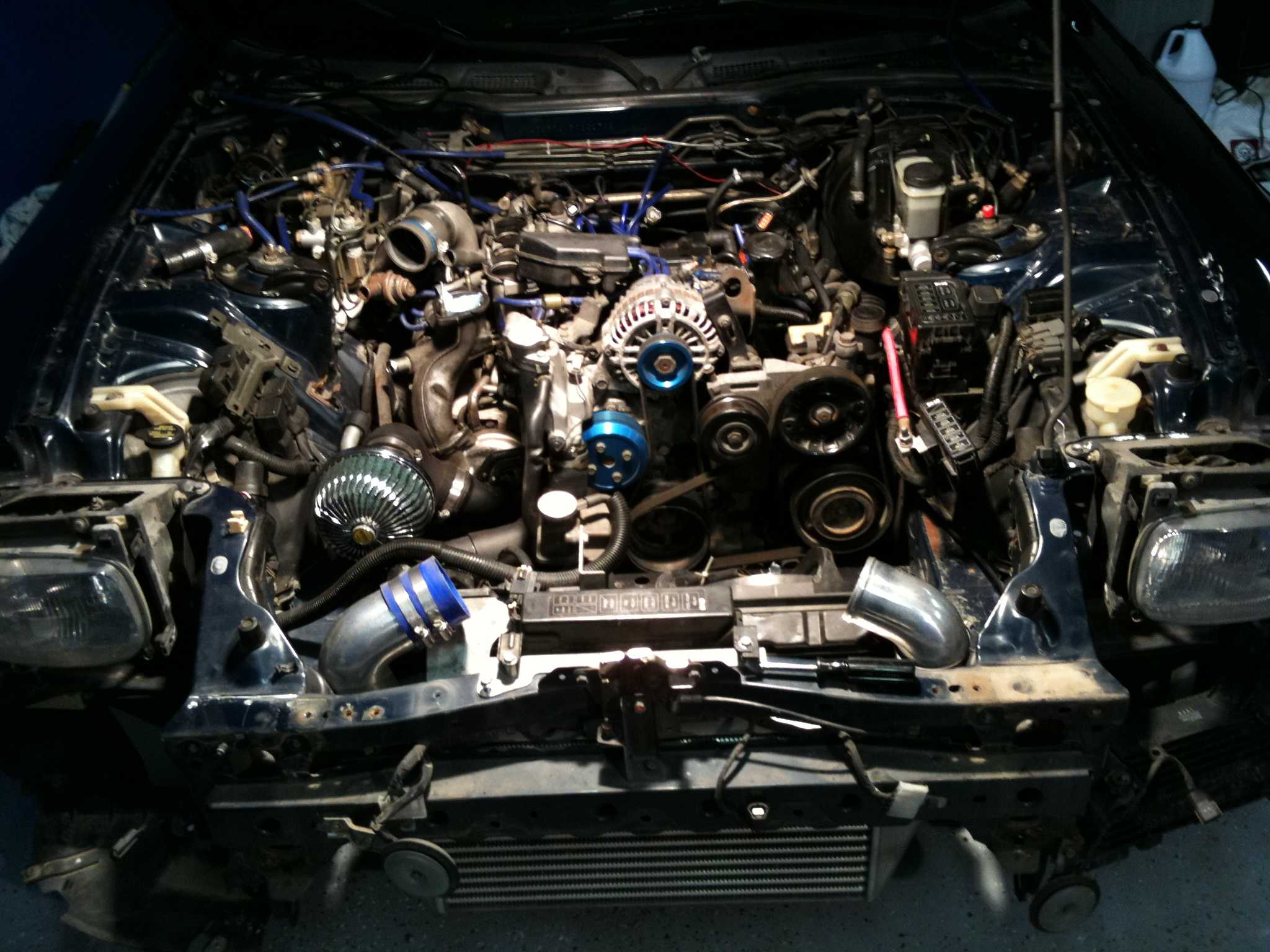
Turbocharged FD3S models are particularly vulnerable to heat soak around the intercooler, compressor outlet and throttle body. A car that feels crisp for the first pull may lose response after repeated runs because the intercooler cannot shed heat quickly enough. The ECU may reduce performance through protective corrections, or the mixture may move outside the tune’s safe range.
Heat management includes sound ducting, clean intercooler fins, suitable exhaust shielding and sensible boost control. Avoid wrapping components without understanding where the trapped heat will go. Exhaust wrap can lower radiant temperature in one area while increasing component temperature in another.
Before changing hardware, compare the car’s behaviour with logged intake-air temperature, coolant temperature, boost and fuel pressure. Owners considering a larger turbo should study the relationship between parts, calibration and street manners in this single-turbo conversion guide.
A Practical Diagnosis Sequence
A disciplined check prevents an expensive parts chase. Record ambient temperature, fuel type, engine temperature, throttle position and whether the issue follows idling or high-load driving. A simple notebook works; a colour-coded approach to symptoms and observations, similar to this collection guide, can make patterns easier to spot.
Start With These Checks
- Confirm coolant level, fan operation and radiator airflow
- Inspect plugs, leads, coils and engine grounds
- Check intake hoses, vacuum lines and intercooler joints
- Scan for ECU fault codes and abnormal sensor readings
Test Under The Same Conditions
- Measure fuel pressure when the engine is hot
- Log intake, coolant and air-temperature values
- Compare hot restart behaviour with cold-start behaviour
- Check charging voltage with lights and fans operating
Do not ignore basic electrical supply. Low alternator voltage can weaken ignition and fuel-pump performance, while a poor earth strap may create intermittent sensor faults. A scan tool and multimeter are often more valuable than another untested upgrade.
Match Symptoms To Likely Causes
The symptoms below are starting points rather than definitive diagnoses. Factory service manuals, wiring diagrams and engine specifications can help establish the correct baseline before modifications are made. General research tools such as this technical reference resource can also help organise supporting information, but RX-7-specific values should come from reliable Mazda documentation.
| Symptom in Hot Weather | Likely Areas To Inspect | Useful Confirmation |
|---|---|---|
| Hard hot restart, then rough idle | Flooding, weak spark, heat-soaked coils | Plug condition and ignition test |
| Hesitation under boost | Fuel pressure, boost leak, high intake temperature | Pressure and data logging |
| Sputter after long idle | Cooling airflow, tank ventilation, vapour formation | Fan test and fuel-pressure check |
| Cutting out at steady cruise | Pump wiring, filter, sensor fault | Voltage and pressure measurement |
| Misfire with oily plugs | Oil metering, seals, plug heat range | Compression and engine inspection |
When diagnosis points toward ECU calibration, make changes methodically. The PowerFC tuning guide is useful for understanding how airflow, fuel and ignition adjustments interact. Do not add fuel blindly to cure a fault caused by weak spark, and do not increase boost until temperatures and pressure remain controlled.
A healthy RX-7 should tolerate a properly managed Australian summer, though it may need closer attention than a modern commuter. Work through cooling, ignition, fuel and intake systems in that order, document each result, and use factory data to verify every adjustment. With a clear diagnosis, the hot-weather sputter becomes a repairable fault rather than a reason to park the car until winter.