
Undercoating the FD3S Chassis for Rust Prevention
The Mazda RX-7 FD3S has a galvanised steel body in many areas, but galvanising is not a guarantee against corrosion. Stone chips, trapped moisture, damaged seam sealer and poorly repaired accident damage can expose steel beneath the factory finish. Rust prevention therefore depends on preparation and regular inspection rather than simply spraying a thick black coating underneath.
Australian conditions make this especially relevant. An FD3S driven near Sydney, Brisbane, Perth or the Gold Coast can collect salt-laden moisture from coastal air, while cars stored near the beach may corrode even when they are driven infrequently. Queensland humidity also encourages condensation in boxed sections and under carpets. Cars used on alpine roads in New South Wales or Victoria may encounter de-icing material, although it is less widespread here than in colder overseas markets.
The best approach is a reversible, inspectable treatment that preserves drain paths and factory identification marks. Underbody protection should complement proper washing, cavity protection and mechanical repairs, not conceal structural problems. Owners importing a Japanese-market car should also document its condition before applying any material, including the chassis number and factory labels.
Inspect the FD3S before applying anything
Begin with a thorough wash of the wheel wells, floor pans, sills and subframes. A pressure washer can remove mud and salt, but keep the nozzle away from door seals, electrical connectors and fragile underbody clips. Allow the chassis to dry fully; compressed air is helpful around seams and drain holes, and this portable air pump guide may help when selecting a compact inflator for drying or workshop use.
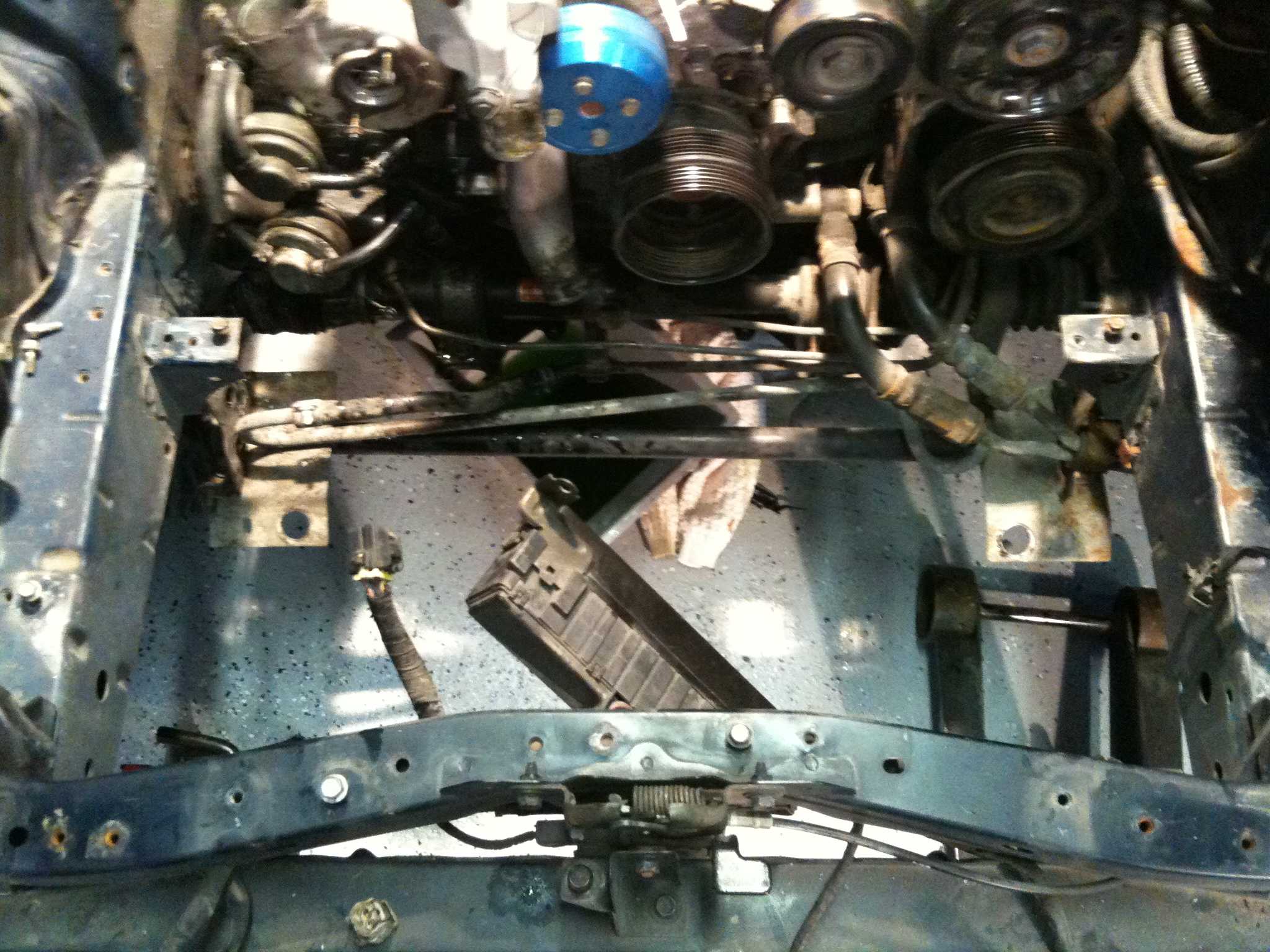
Raise the car securely on stands and inspect the front chassis rails, rear suspension mounting areas, spare-wheel well, fuel-tank surroundings and sill seams. Look for bubbling paint, flaky scale, brown staining, soft seam sealer and previous repairs. Probe suspicious areas carefully rather than covering them. Surface rust can often be stabilised, but perforation or weakened suspension mounting points require metal repair before any protective coating is added.
Remove loose underseal with plastic scrapers and suitable hand tools. Avoid aggressively grinding every area to bright metal, since sound factory coatings can be retained. Photograph each section before work begins, and record the products used, dates and affected panels. A restoration log benefits from clear, chronological images in the same spirit as a collection of stories, giving future owners useful context instead of leaving a mysterious layer of black material.
Choose protection that suits the chassis
For exposed floor sections, a quality epoxy primer followed by a durable chassis coating provides a sound system when applied to clean, dry and prepared steel. Waxy or lanolin-based products are useful inside cavities and around seams because they remain slightly flexible and can be renewed. They are generally easier to inspect than a thick rubberised layer that hides new corrosion.
Rubberised underbody coatings have a place on vulnerable areas exposed to stone impact, such as wheel arches and the front floor. They should not be sprayed over damp rust, oil, loose scale or blocked drain holes. Bitumen-heavy products can become difficult to remove during future repairs and may trap moisture if the substrate is not sound.
Keep coating away from exhaust heat shields, brake discs, pads, calipers, steering joints, suspension bushes, driveshaft couplings and wiring connectors. Mask the VIN plate, compliance labels and service access points. Australian environmental rules vary by state, so collect contaminated wash water, rags and removed coating responsibly rather than allowing residues to enter stormwater drains.
| Protection method | Best use | Main advantage | Important limitation |
|---|---|---|---|
| Epoxy primer | Repaired or bare steel | Strong corrosion barrier | Needs meticulous preparation |
| Flexible chassis coating | Floor pans and wheel arches | Good stone-chip resistance | Can hide corrosion if applied too thickly |
| Lanolin or cavity wax | Sills, rails and boxed sections | Creeps into seams and remains renewable | Requires periodic reapplication |
| Rust converter | Light, stable surface rust | Useful before priming | Not a substitute for cutting out rot |
| Factory underseal | Sound original areas | Preserves known protection | Must be cleaned and inspected first |
Protect cavities and preserve drainage
The FD3S has enclosed sections where water can remain unseen. Sills, door bottoms, chassis rails and rear quarter cavities need access through existing openings, but never drill new holes without understanding the structure and drainage design. Use a wand to apply a light cavity wax film rather than flooding the section with a heavy product.
Drain holes at the bottom of doors, sills and floor sections must remain open. After washing the vehicle, check that water exits freely. A blocked drain can cause corrosion from inside out, and an apparently perfect underbody coating will not stop it. Avoid sealing over factory seams that were designed to flex or drain.
Pay particular attention to the spare-wheel well and the area around the tail lamps. Leaking hatch seals, lamp gaskets and rear vents can wet the boot floor repeatedly. Replace failed seals before coating, then inspect the carpet and sound deadening for dampness. Underbody treatment cannot correct a water leak entering from above.
Keep mechanical and electrical checks separate
Rust prevention is easier when underbody protection does not interfere with servicing. Before spraying near the engine bay or transmission tunnel, identify ground straps, oxygen-sensor wiring, fuel lines and brake pipes. Overspray on connectors can complicate diagnosis, while coating a flexible hose can accelerate cracking or make inspection difficult.
An FD3S restoration should include electrical documentation alongside bodywork records. If the engine management system is being tuned, keep the knock-sensor inspection separate from corrosion treatment and review the PowerFC knock settings before changing sensor-related components. Protective coating should never be used to secure wiring or cover a damaged harness.
The same rule applies to rotary-engine sensors and their brackets. When checking a 13B-REW installation, a 13B sensor test can help keep electrical diagnosis methodical. Treat sensor plugs, earth points and harness clips as service items, leaving them clean and accessible after underbody work.
Build an inspection routine for Australian use
Inspect the treated chassis at least twice a year, and more often after coastal driving, extended rain or track use. Brisbane and northern New South Wales owners may need to check for moisture retention more frequently, while Perth and Adelaide owners should watch for dust combining with oily residue around seams. A dry-looking underside can still hide salt deposits in overlaps and cavities.
After wet-weather driving, rinse the wheel wells and underside with fresh water, then allow the car to dry before placing it in storage. Do not store a damp FD3S under a tight cover, since condensation can remain against the floor and rocker panels. Cars parked outdoors benefit from shade, ventilation and a cover that does not trap moisture.
Keep a dated photo record and compare the same areas each season. Use factory diagrams, service manuals and VIN information to distinguish original seams from previous repairs; an FC3S VIN guide is also useful when documenting an imported Mazda, although FD3S identification should be checked against the correct model references. In Australia, roadworthiness requirements differ between states and territories, so structural corrosion, brake-line condition and suspension mounting damage should be assessed against the rules applying where the car is registered.
Give the chassis a careful clean, repair corrosion properly, protect sound steel with compatible products and leave every drain, label and service point usable. Record the materials and photographs in the car’s history so the next inspection is faster and more accurate. That disciplined routine will do more for an FD3S than an opaque layer of underseal applied once and forgotten.