
Why the RX-7 FD3S Became a Collectible: Market Analysis and Values
The 1992–98 Mazda RX-7 FD3S turned a fading sports-car badge into an automotive landmark. Its low nose, wraparound glass and compact proportions still look radical, while the 13B twin-turbo gave buyers a mechanical reason to preserve one.
Its value now rests on several forces working together: fixed production supply, strong 40th-anniversary nostalgia, a global tuning culture and the appeal of a usable Sunday car. The FD3S can be displayed, driven and modified, broadening demand beyond the traditional classic-car crowd.
For Australian buyers, collectible status does not guarantee an easy resale or a high price. Local condition, registration history, rust, import complications and buyer confidence all influence valuation. Market analysis is therefore less about one headline number than understanding which examples buyers actively reward.
A turning point for the rotary
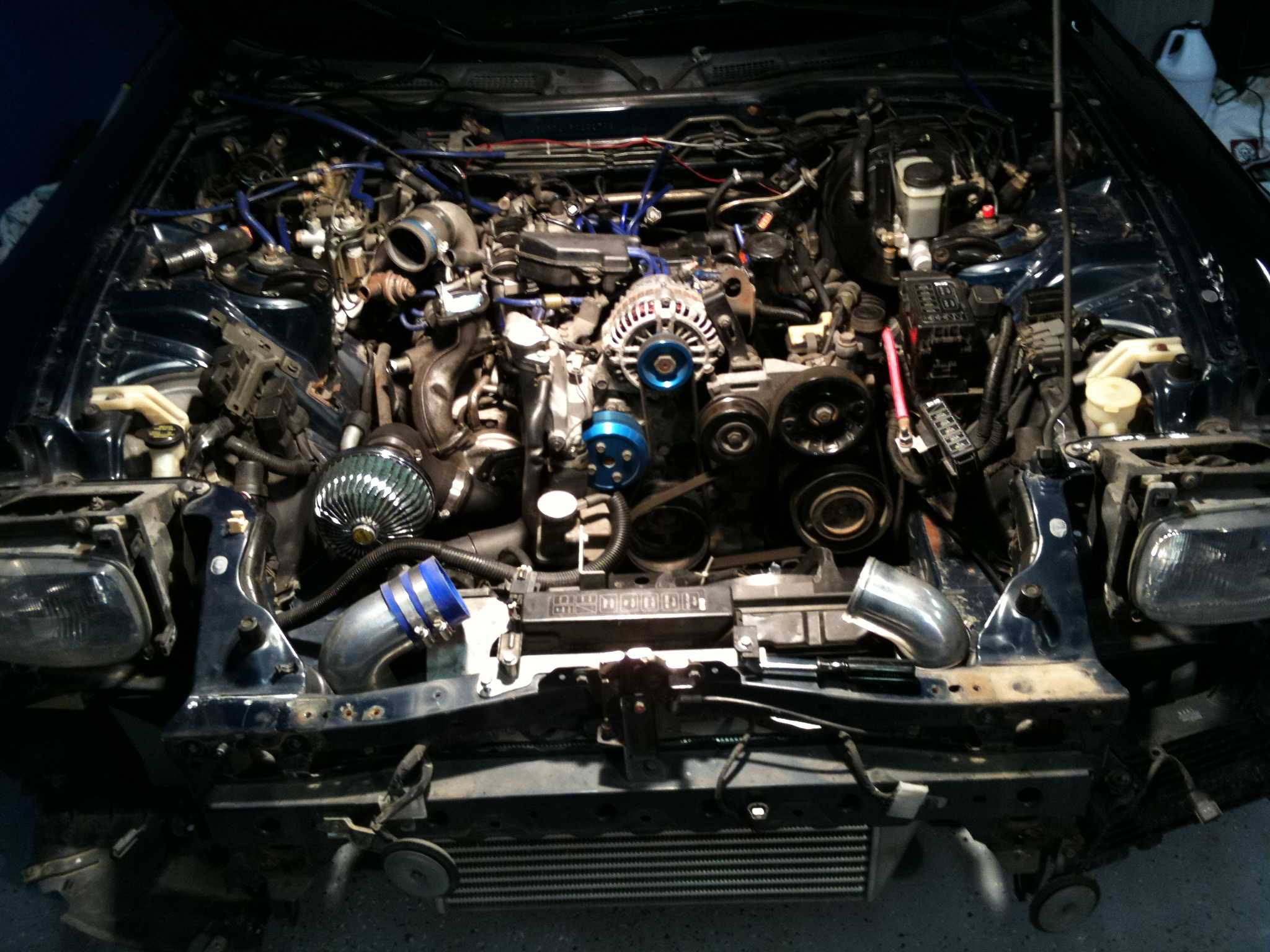
The third generation arrived with refined styling, improved chassis geometry and the 13B-MSP sequential twin-turbo. That combination created a genuine performance car rather than a nostalgia prop. Its engineering also attracted tuners interested in porting, cooling, boost control and Apex’i PowerFC engine management.
Cultural moments widened its audience. The story of Australian RX-7 racer Ken Trickett reached new audiences through The Last Dance, while Mazda’s 40th anniversary gave collectors a reason to celebrate surviving examples. Track, drift and show communities then reinforced the FD3S as a canvas for personal expression.
Design and driving character
Tom Matano’s Naoon-inspired design remains one of the strongest reasons to own an FD3S. The short bonnet, sloping roof and slim lamps look clean without appearing dated, while the glasshouse gives the cabin a spacious appearance. Genuine period examples often attract attention faster than later retro-inspired cars.
The driving experience combines balanced handling, rear-wheel steering and a lively rotary personality. Visibility over the rear deck is awkward, and some drivers find the fastback shape odd at first. Once those quirks become familiar, however, the low seating position, precise controls and 13B response create a memorable connection between driver and machine.
The Australian market reality
Australian buyers can find FD3S examples through specialist dealers, carsales.com.au, Gumtree and Facebook Marketplace, as well as local enthusiast auctions. Sydney and Melbourne have particularly active clubs and meet scenes. An honest example may be described as a genuine “old girl” or “beauty”, while a scarce specification can be “rare as hens’ teeth”.
Right-hand-drive imports from Japan add scarcity but also complexity. Registration, roadworthiness and transfer requirements vary by state; NSW uses a pink slip, while Victoria requires a roadworthy certificate for many transfers. Age-related import concessions can help some vehicles, although eligibility and emissions requirements need confirmation before money changes hands.
Local climate also affects value. Sydney’s coastal salt, Melbourne’s damp and grime, inland summer heat and flood exposure can produce hidden corrosion or cooling faults. At meets or on a Melbourne-to-Wagga Wagga drive, a portable charging solution is useful when navigation and communication depend on a phone with intermittent mobile coverage.
What sets market value
The strongest prices belong to cars that combine low kilometres, factory specification, excellent presentation and credible history. A clean manual gearbox, stock bodywork and an unmodified cabin generally make an FD3S easier to compare and easier to sell. Specialist modifications can attract a premium, but only when they are well executed and documented.
Auction and private-sale pricing are not identical. A high asking price may reflect seller ambition rather than completed demand, while an auction result excludes some private-sale negotiating uncertainty. Dealer fees, transfer costs, registration and compliance work also influence what a buyer can realistically pay.
Mechanical condition deserves equal attention. Deferred overheating can turn a polished car into an expensive project, so buyers should consult diagnosing RX-7 overheating before finalising a bid. Evidence of correct cooling-system work can support a premium; missing history or signs of repeated overheating usually justify caution.
Condition, originality and provenance
Originality raises desirability because surviving FD3S cars increasingly contain parts, finishes and engineering details that cannot be recreated easily. Factory wheels, suspension, exhaust, interior trim and correct emissions equipment can help a buyer identify an untouched car. Purpose-built track or show modifications need not reduce value, but they narrow the pool of interested buyers.
The 13B needs careful scrutiny because a rebuilt engine does not automatically guarantee a better car than a well-maintained original. Compression results, cooling-system condition, service evidence and knowledge of apex seal wear patterns can reveal whether an engine is healthy or merely cosmetically presented.
Provenance turns inspection into a valuation advantage. Matching numbers, documented ownership, original books, complete tools, a clear VIN and a continuous rego history reduce uncertainty. Gaps in the paperwork should be treated as costs or negotiating points rather than conveniently ignored.
Indicative values for Australian buyers
Broad Australian private-sale asking bands illustrate how sharply condition affects the FD3S market. The figures below are guideposts rather than formal appraisals: location, specification, originality and mechanical confidence can move an example well outside its band.
A realistic comparison accounts for sold prices, advertised prices, negotiation and the expenses attached to registration. It also distinguishes between a vehicle being valued as a usable driver and one being purchased as a polished collector car.
| Example condition | Typical Australian asking band | Main buyer considerations |
|---|---|---|
| Project or part-complete | A$8,000–A$18,000 | Rust, missing components, uncertain 13B condition and restoration scope |
| Running driver | A$18,000–A$35,000 | Roadworthy condition, functional cabin, visible wear and some history |
| Well-presented example | A$35,000–A$60,000 | Lower kilometres, clean body, stock specification and solid records |
| Exceptional collectible | A$60,000–A$100,000+ | Outstanding originality, provenance, presentation and specialist market appeal |
Keep the FD3S story moving
Documentation, inspection and preservation protect both the car and its market value. Recording the VIN, retaining service records, photographing restoration work and using factory specifications helps the next buyer understand what they are acquiring.
Explore the TurboRX7 archive, verify the details that matter, and share those findings with the rotary community to keep valuable knowledge accessible to the next custodian.