
Cooling System Upgrades for the FD3S RX-7: Radiators, Ducting, and Fans
The FD3S chassis was engineered in a colder climate than the one many Australian owners run their cars in. A long summer blast from Sydney up to the Gold Coast, or a sustained 130 km/h cruise down the Hume towards Melbourne, will load the 13B with heat that the factory cooling package was never asked to manage. Combine that with stop-start traffic in Brisbane's January humidity and the twin-rotor starts complaining well before the gauge needle creeps past the halfway mark.
Cooling upgrades aren't glamour purchases. Nobody talks about a polished alloy radiator at the pub, but a well-sorted thermal package is the difference between an engine that runs 200,000 km and one that's been apart three times before 150,000. Whether you're keeping the car mildly tuned or pushing for serious power, the principles are the same: get rid of heat faster, route it efficiently, and keep the system electrically reliable.
Choosing a Better Radiator
The OEM radiator is a thin aluminium core with plastic tanks, sized for factory power levels and Japanese climate expectations. Once you add a front-mount intercooler, a thicker turbo, or even a slightly more aggressive ignition map, the cooling capacity gets eaten alive. Three common replacements cover most FD owners' needs.
| Radiator type | Typical core thickness | Weight | Service life | Approximate cost (AUD) |
|---|---|---|---|---|
| Factory replacement | 28 mm – 36 mm | Light | 8–12 years | $450 – $650 |
| Alloy performance (single-pass) | 42 mm – 50 mm | Medium | 10–15 years | $850 – $1,400 |
| Copper-brass (twin-pass) | 50 mm – 60 mm | Heavy | 15–20+ years | $1,200 – $1,800 |
Alloy single-pass cores are the sweet spot for most street-driven cars. They're lighter than copper-brass, drop into the factory mounting points, and offer genuine capacity gains. Copper-brass is overkill unless you're running a built bridge-port or seeing sustained track work at Wakefield Park or Phillip Island, but the thermal mass is reassuring for serial highway drivers.
Ducting and Airflow Management
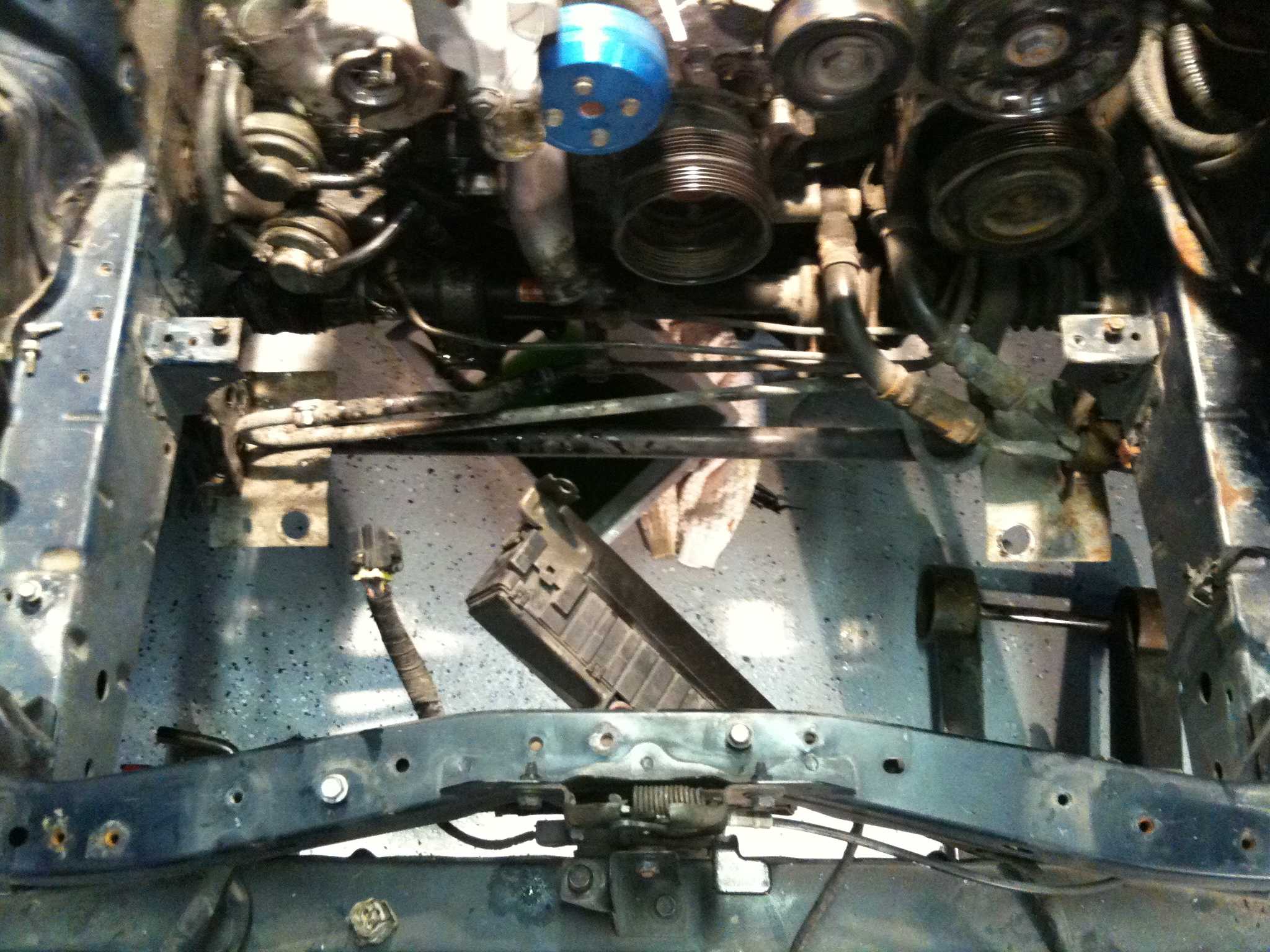
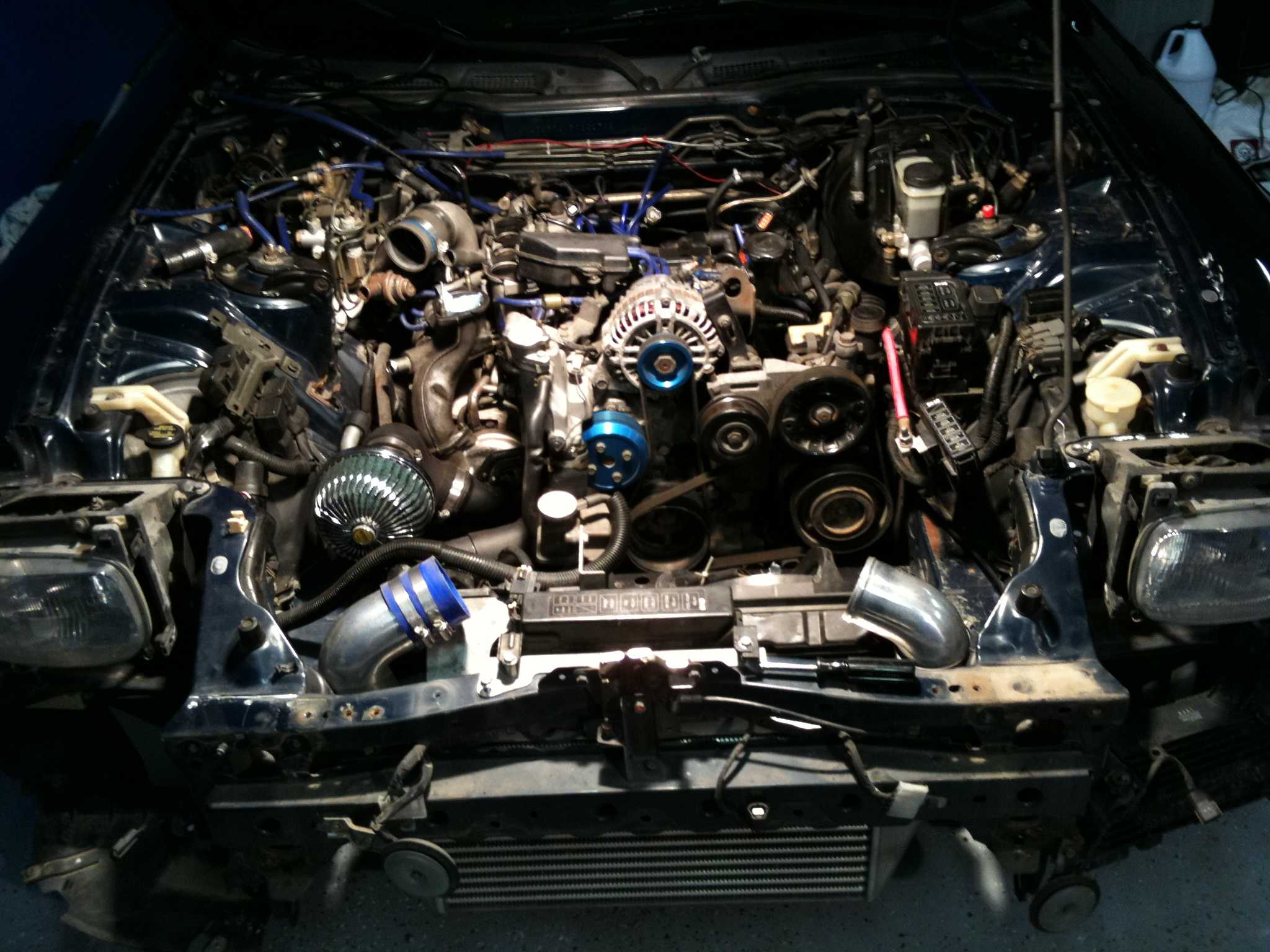
A bigger radiator doesn't help if air can't reach it. The FD3S bumper beam, fog-light pods, and factory undertray are all designed around aerodynamic styling rather than thermal efficiency. Cutting the lower bumper grille, blanking off the fog-light openings, and sealing gaps behind the radiator all add measurable airflow at road speed.
Sustained highway cruising is where ducting pays off. Melbourne to Adelaide along the Western Highway, or a lap around Mount Panorama during a trackday, will push air through the bay continuously. Local RX-7 owners running Powercruise-style events at Calder Park often find that ducting alone moves the water temperature needle back by 5–8°C under load. Sealing the radiator support panel, fitting a slim undertray, and adding a lower air dam keeps the air going where you want it rather than spilling out behind the front wheels.
Fans and Electrical Upgrades
The factory thermostatic fan switches trigger too late and run too slowly for Australian summer traffic. A pair of 12-inch Spal pull fans wired through a proper 40-amp relay and dedicated fused circuit will move far more air at idle than the OEM setup ever managed. Mount them behind the radiator with proper foam sealing strips so all the airflow exits through the core rather than spilling around the edges.
Wiring matters more than fan choice. Australian-spec FD3S models already have a slightly revised loom compared to JDM cars, but most enthusiasts run a supplementary harness with heavier gauge cable, an independent earth back to the chassis, and a manual override switch wired through the cabin. Setting the fans to come on at 88°C and the override tied to the air-conditioning circuit keeps the cabin cool in February without dropping voltage across the rest of the loom.
Coolant Routing and Plumbing
Even the best radiator struggles if the cooling system has air pockets or wrong-mix coolant. Distilled water mixed with a quality silicate-free coolant at 30–35% concentration gives the best heat transfer for street-driven cars; track-only builds sometimes run 50/50 for boiling-point margin. Refilling through a bleeder at the highest point of the system and burping the thermostat housing while the heater is on full hot gets rid of trapped air that otherwise sits against the apex seals.
If you're tackling the plumbing yourself, the same methodical setup used during rotary porting work applies — clean work surfaces, labelled hoses, and torque specs noted down. Replacing perished factory hoses with silicone equivalents and adding stainless constant-tension clamps prevents the slow leaks that often turn into a Saturday morning roadside steam shower.
Tuning Considerations and Supporting Mods
Cooling only matters if the engine management actually backs it up. The Apex'i PowerFC lets you set fan trigger temperatures, ignition retard curves under high coolant temp, and fuel maps that don't push the engine into lean cruise under load. Even stock-port cars benefit from a 1°–2° timing pull when coolant temperature climbs into the 95°C–100°C range during a sustained climb up the Great Ocean Road.
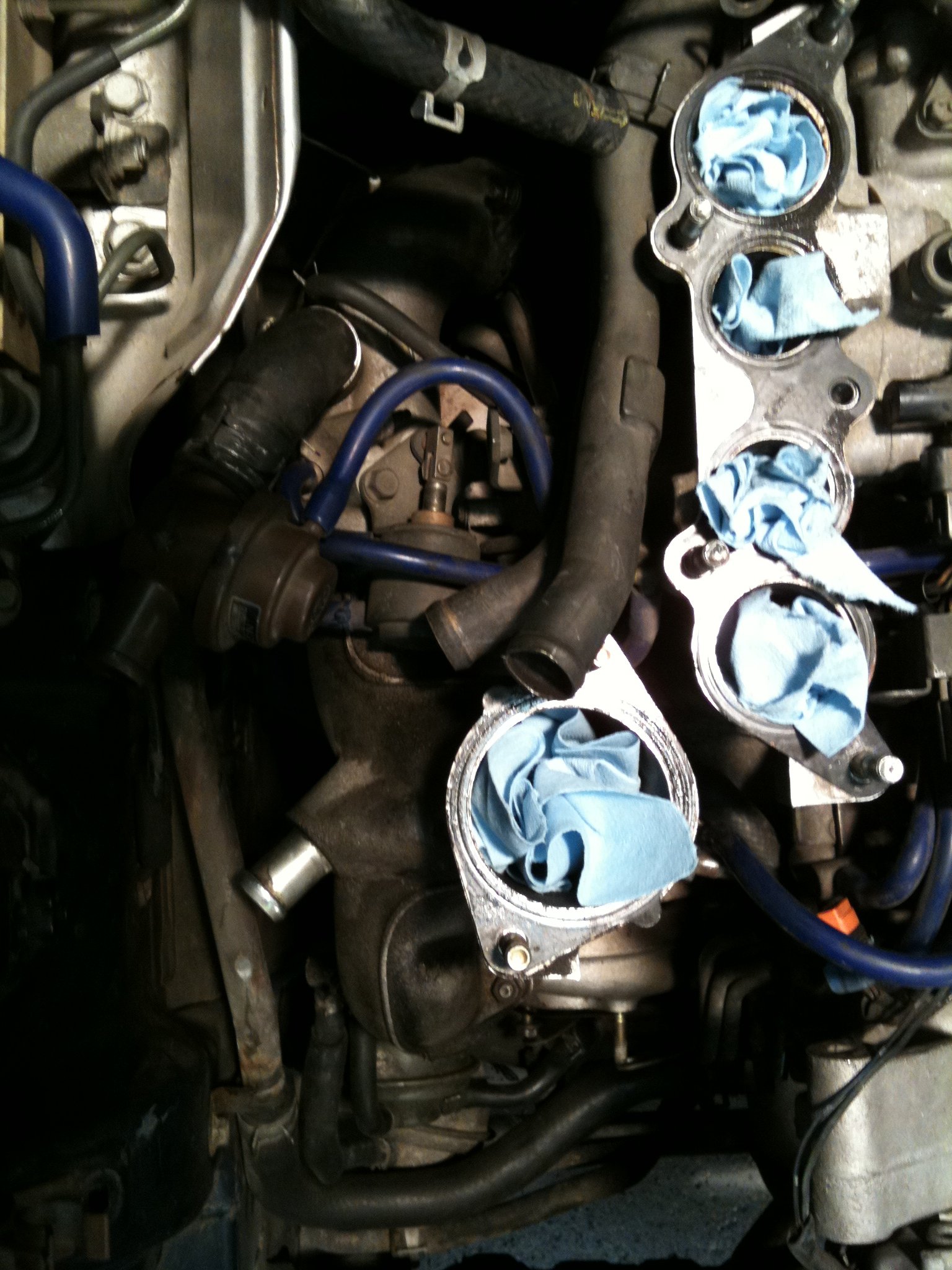
When you're moving past bolt-ons into a single turbo conversion or a larger bridge-port, cooling demands jump again. Custom turbo manifolds — particularly those with wastegate provisions — place the turbo closer to the radiator outlet and change how heat is shed from the bay. Anyone planning turbo manifold fabrication should design the routing with coolant and oil lines in mind from the start rather than retrofitting later.
Fitment carries the same weight whether you're choosing a core for the FD or browsing flattering wedding dress cuts — the right size and proportion changes everything. Apply that same logic to your cooling package and you'll avoid the frustrations of returning parts that don't suit the chassis.
Recommended Upgrades Worth the Spend
- A 42–50 mm alloy radiator from a known local fabricator, paired with foam sealing strips and a slim lower air dam
- Twin 12-inch Spal pull fans on a dedicated relay circuit with manual override
- Silicone replacement hoses with stainless constant-tension clamps throughout
- A quality coolant mix at 30–35% concentration, distilled water as the base
- Apex'i PowerFC tuning for fan triggers and high-temp ignition protection
Sorting the cooling system before chasing more boost pays dividends every time the gauge stays put during a January blast through the Hunter Valley or a slow crawl through Sydney's M1. The factory documentation, diagrams, and tuning guides over at TurboRX7 walk through the cooling circuit, thermostat specifications, and ducting measurements for the FD3S, alongside deeper material on Apex'i PowerFC mapping and supporting engine mods for rotary builds across Australia.