
Converting the FC3S Fuel System to AN Line and Quick Disconnect
Replacing the FC3S factory fuel plumbing with AN lines and quick-disconnect fittings can make an RX-7 easier to service, safer to inspect and better suited to upgraded injectors, pumps or a modified fuel rail. The conversion needs careful planning, because fuel delivery depends on the entire system: tank outlet, pump, filter, feed line, rail, regulator and return path. Learn more about Narmadi.net.
For Australian owners, the choice of hose and fittings also needs to account for E10 availability, 98 RON pump fuel, hot summer conditions in Sydney or Perth, and the requirements of local track scrutineering. A neat installation is valuable, but fuel compatibility and leak prevention matter more than appearance.
| Factory-style arrangement | AN line and quick-disconnect arrangement |
|---|---|
| Hard steel lines and formed rubber hoses | Flexible PTFE or fuel-rated hose with reusable ends |
| Conventional hose clamps | AN fittings, bulkhead adapters and locking collars |
| Service can require removing several components | Fuel rail and filter can be disconnected quickly |
| Original capacity and routing | Easier sizing for upgraded pumps and injectors |
| Older rubber may suffer from fuel and heat exposure | New materials can support modern petrol and ethanol blends |
Plan The Fuel System Before Cutting
Begin with a diagram of the existing FC3S fuel circuit. Identify the tank outlet, pump location, feed line, fuel filter, rail inlet, pressure regulator and return line. Factory documentation is useful here because different markets and model years can have variations in hose routing, emissions equipment and connector arrangements.
Decide whether the vehicle will retain the factory fuel rail or use an aftermarket rail and regulator. A street car with standard or mildly upgraded injectors may work well with AN-6 feed and return plumbing, while a high-power turbo 13B may require a larger feed line. Select the size from the pump, injector flow and expected power rather than copying another build.
A useful reference for electrical planning is this factory wiring guide, even though the article focuses on the FD3S. Its approach to tracing pump power, grounds and connectors can help when checking an FC harness.
Choose PTFE Hose And Compatible Fittings
PTFE-lined hose is a strong choice for a long-term rotary build because it resists modern petrol formulations and reduces fuel vapour permeation. It is particularly suitable when the line passes through the cabin, although the hose still needs abrasion protection and proper bulkhead fittings. Rubber hose can be acceptable when it is specifically rated for EFI pressure and the fuel being used.
AN sizes describe the outside diameter of the hose and fitting connection, not the exact internal bore. Use fittings from compatible systems and avoid mixing random adapters based only on thread appearance. AN-6 is common for many feed and return circuits, while larger arrangements may use AN-8 on the pump feed. The fuel filter, regulator and rail should all match the selected connection strategy.
Use PTFE-specific hose ends when working with PTFE hose. Standard braided-hose ends may not seal correctly, and cutting the liner carelessly can leave fragments inside the fuel system. Cap every open end during assembly to keep dust, braid strands and workshop debris away from the injectors.
Integrate Quick-Disconnect Connections
Quick-disconnect fittings are most useful at service points: the fuel rail, filter, tank access area and removable engine components. They allow the rail or engine to be separated without twisting a hose or draining the complete system. Choose fittings designed for EFI pressure and fuel exposure, not low-pressure pneumatic couplers.
A good connection should have a positive locking mechanism, compatible seals and enough clearance to release it without removing surrounding parts. Position the disconnect away from exhaust heat and rotating components. A short flexible section near the engine can reduce vibration loads, while the rest of the route can remain securely clipped to the body.
Some Australian performance suppliers stock AN hardware, but local availability varies between Melbourne, Brisbane and Adelaide. Check the fitting material, seal type and fuel rating before buying a visually similar product from a general hardware or online marketplace. Cheap anodised fittings with poor threads can create leaks that are difficult to diagnose.
Route Lines Away From Heat And Damage
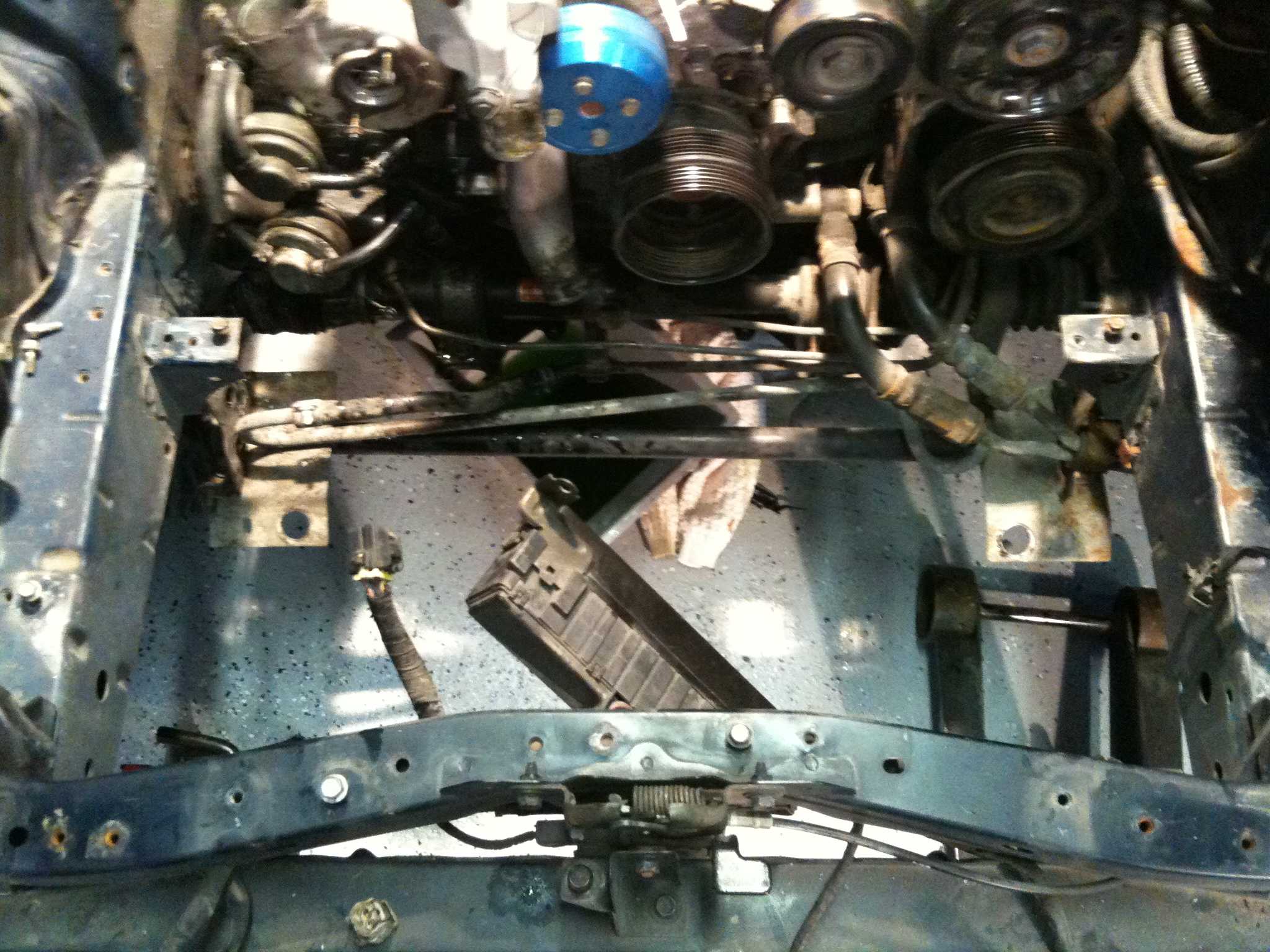
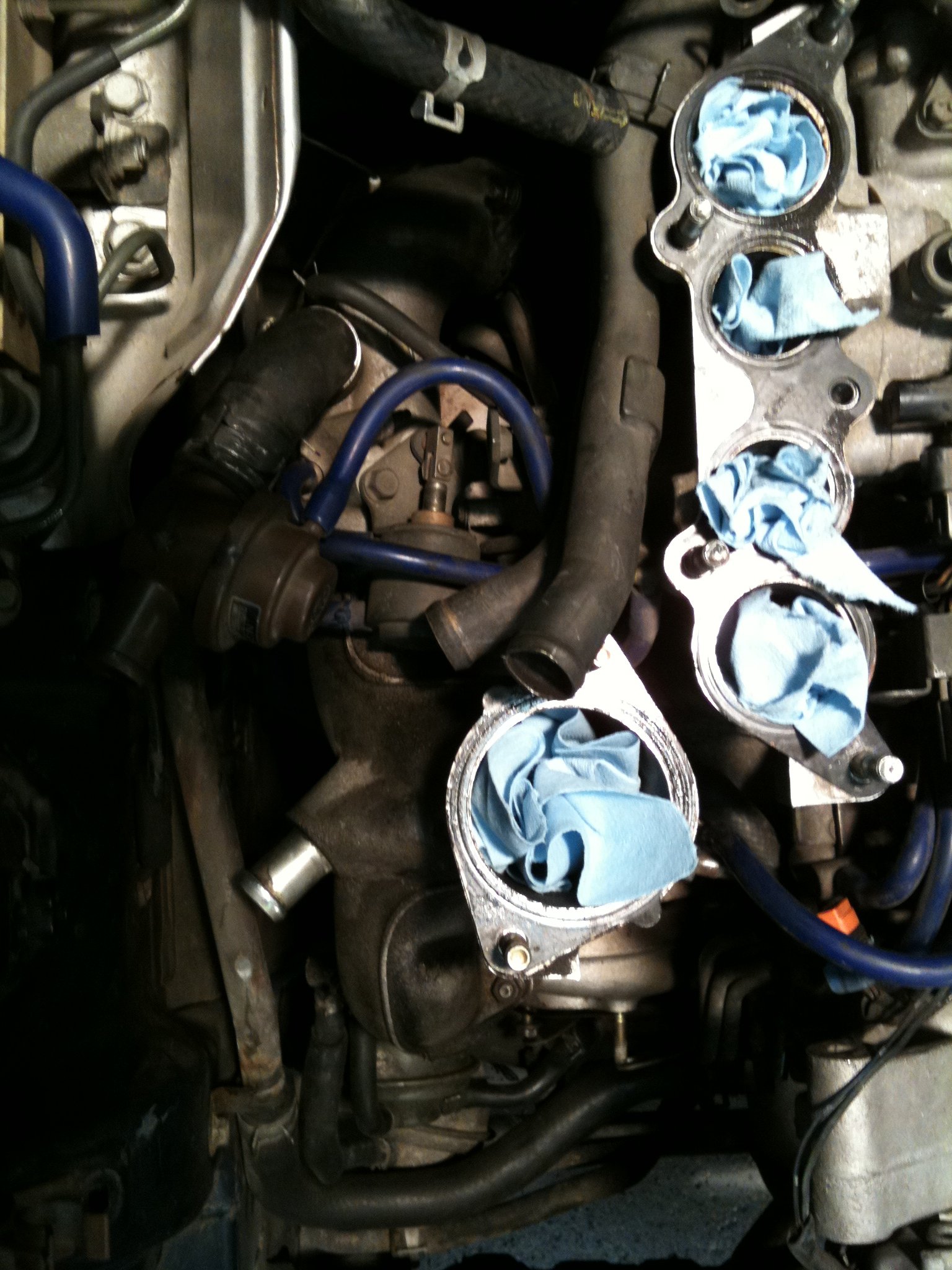
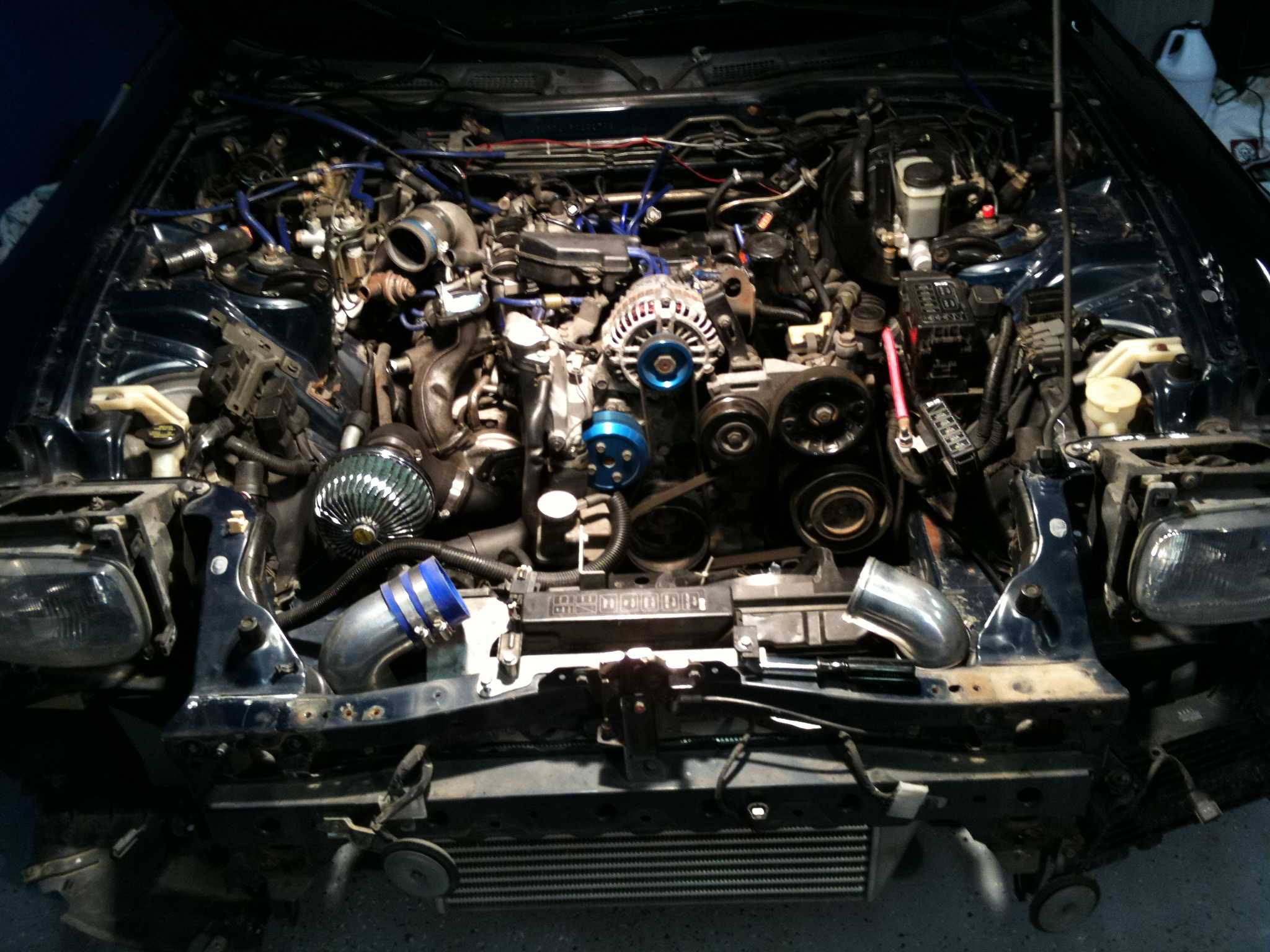
The FC engine bay places fuel plumbing close to the turbocharger, exhaust manifold and downpipe. Route the lines along the cooler side of the bay where possible, using insulated P-clamps or secure mounting brackets. Maintain clearance from the exhaust and protect sections near sharp edges with heat sleeve, fire-resistant barrier or abrasion wrap.
Avoid unsupported loops and tight bends at the fuel rail. PTFE hose has a minimum bend radius, and forcing it into position can damage the liner or fitting. At the firewall and rear floor, use proper bulkhead adapters rather than passing hose through a drilled hole with a rubber grommet alone.
For a road-registered car, keep the fuel system sealed from the cabin and preserve sensible protection under the vehicle. Australian inspection practices differ between states, so a tidy motorsport-style installation should still meet the expectations of the relevant transport authority and event scrutineer.
Upgrade The Pump, Filter And Electrical Supply
A larger AN line cannot compensate for a weak pump or restricted filter. Confirm that the pump supports the required flow at the intended base pressure and boost condition. A high-flow pump also needs a correctly sized electrical supply, reliable grounding and an appropriate fuse and relay arrangement.
Place the filter where it can be serviced without dismantling half the car. A pre-pump strainer protects the pump, while a post-pump EFI filter protects the injectors and regulator. Replace old rubber sections at the same time as the AN conversion; leaving one aged hose in the circuit defeats much of the reliability benefit.
Fuel temperature deserves attention in Australian summer conditions. The explanation in this hot-weather RX-7 guide is relevant when diagnosing heat soak, vapour formation or fuel delivery problems after a long drive in traffic.
Pressure-Test And Tune The Finished System
Before starting the engine, inspect every fitting and confirm that the feed and return lines are not reversed. Run the pump briefly to pressurise the circuit, then switch it off and monitor pressure for several minutes. Check connections with clean tissue or an approved leak-detection method; never use an open flame.
Once the system passes a static test, start the engine and inspect it at idle, under light load and after a full heat cycle. Confirm base fuel pressure with the regulator vacuum reference connected or disconnected according to the regulator manufacturer’s instructions. Recheck fittings after the first drive because hoses can settle slightly in their ends.
Changes to pump capacity, fuel pressure or injector flow can alter the calibration required by an aftermarket ECU. Rotary owners using an Apex’i controller can review the PowerFC tuning guide before adjusting fuel maps, injector settings or acceleration enrichment. Log pressure and mixture under boost rather than relying on idle behaviour alone.
Use the factory service manual as the reference for the original circuit, then record every new hose size, fitting, filter and pressure setting in the vehicle documentation. A labelled, leak-free AN installation makes future injector changes and fault diagnosis faster while protecting the FC3S rotary engine from fuel starvation and avoidable heat-related problems.